Do people still die of HIV or AIDS?


That’s a great question.

The answer is yes.

So while HIV is no longer a death sentence like in the early days of the pandemic, the reality is that not everyone is able to get into and stay in treatment. Left unchecked, HIV will still progress to stage 3, also known as AIDS.

What do we know about stage 3 HIV? (Source: CDC HIV Basics)

  • It’s the most severe stage of HIV
  • People with stage 3 HIV can have a high viral load and may easily transmit HIV to others
  • People with stage 3 HIV have badly damaged immune systems. They can get an increasing number of opportunistic infections or other serious illnesses
  • Left untreated, people with stage 3 HIV typically survive about three years.
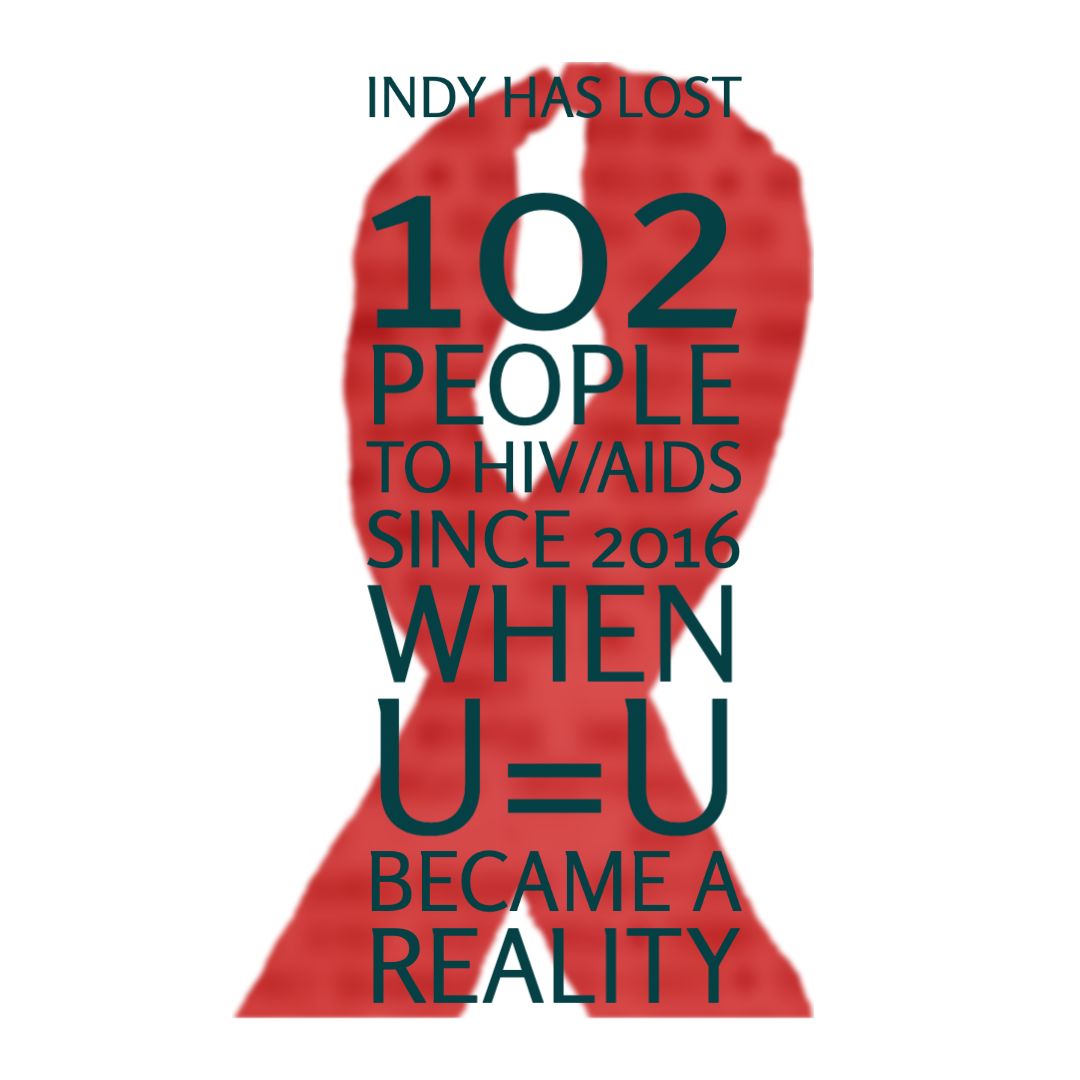
102 deaths

Sharing this information about stage 3 HIV isn’t to portray people as somehow bad or negligent or something against which the general public needs to be protected. If anything, the system is failing them because medication isn’t getting to them. And until it does, individuals are more likely to die from stage 3 HIV and related complications. And that is angering because for once, we finally have the medicine to end the HIV epidemic.

In Marion County, Indiana alone, approximately 102 people have died where HIV is the primary cause of death since 2016. (In the same timeframe, a total of ~321 people who were living with HIV died, regardless of cause of death – but for this conversation, I believe that how they actually died matters.) I picked this timeframe because the concept of U=U was launched in 2016 given the amazing progress made in HIV treatments. Source: Marion County Public Health Department

In my mind, these 102 deaths were preventable. We have the science to not only prevent the spread of HIV, but the science to lower the levels in the body where HIV can’t be found. That’s called U=U, or undetectable is untransmittable. U=U helps the person with HIV to live a healthier life without damaging their immune system. The sooner someone gets into treatment, the better chance they have a minimizing long-term effects on their immune system.

U=U research also shows that a person follows their treatment and whose viral load is suppressed, or undetectable, can NOT transmit HIV sexually to other people. That’s HUGE. We can get back to having hot sex without the fear of giving HIV to someone else. Combined with PrEP, we literally have the science across the board to squash this bug.

Testing, prevention and treatment matter in this fight – but especially treatment. But shame, stigma, social determinants of health, lack of awareness and other factors keep people from getting treatment.

What’s gotten better?

Since 2016, the medications for prevention and treatment continue to get better with less side effects. Since 2021, an extended release monthly injectable option is available to people living with HIV. Also since 2021, injectable PrEP is available to prevent the transmission of HIV, and is given every two months to people not living with HIV. These options can be particularly helpful for people who find it difficult to take a pill every day. They are seen as key to ending the HIV epidemic.

With the Affordable Care Act in 2010, the fear of pre-existing conditions that could jeopardize one’s insurability are a thing of the past. That’s huge for people who get their health insurance from the marketplace or from their employer.

People may not realize there is government assistance for health insurance for people living with HIV. The Healthy Indiana Plan (HIP) is the name of the State of Indiana’s health insurance program. It is one of the Medicaid programs available to Indiana residents. It can assist people who make less than 300% of the federal poverty level.

There is also assistance for wraparound services through the Ryan White Federal HIV/AIDS Program. Check out the Indiana State Department of Health website for an Indiana HIV Care Site Directory.

In Marion county, we are a designated “hot spot” by the CDC. In 2019, we were one of the top cities & counties that contributed to half of the new HIV cases that year. Things have not been getting better – if anything, we get new cases at a higher rate than the national average. And, in general the trend has been upward (more new cases) since the county began reporting data in 2010. With this designation as a hot spot comes additional federal assistance for 10 years, leading up to 2030. This is called the Ending the HIV Epidemic program, which is managed by a steering committee and task force for Marion County.

HIV Care Coordination

For more information, contact your care coordinator. If you don’t know what that means, contact me and I’ll do my best to connect you with resources.

While all of this can be complicated, there is free assistance through care coordinators at AIDS Service Organizations (ASOs) or large healthcare systems like IU Health or Eskenazi Hospital.

For more information in Marion & surrounding counties go to the SIDE by SIDE website or social media. You can also check the Marion County Ryan White Services page for current providers in Marion & surrounding counties. For information statewide, check out the Indiana State Department of Health website for an Indiana HIV Care Site Directory.

HIV Peer Support

Many AIDS Service Organizations will also offer support groups. These are usually led by a staff person, who is often a therapist or counselor. But not always. Things will vary from organization to organization. Ask your care coordinator about options. Check out other organizations too. There’s nothing to keep you going to a support group at ASO #1, while getting your card coordination from ASO #2. Go where you find help & support.

Educate Yourself

When I was first diagnosed, my doctor recommended TheBody.com as reputable online resource. It’s a trusted resource, and easier to read than a lot of the official websites from the CDC or state and local health departments.

Thanks for listening.
Keep tellin’ the story

Professor Peacock

What questions do you have?

I’d love to hear from you. What did you learn from this post? What do you see differently? What could I have said in a different way that would have been more helpful? What information would you like to share from your experience?

102 deaths

Spirit Journey 2: HIV Crim Artivism at Spirit & Place


When I was approached to create art for a recent Spirit & Place event around HIV criminalization and stigma, I was scared to death. How could I convey something meaningful through photography? I literally thought – I’ll have nothing. I can’t do this. Why did I agree to this?

I struggled in fear for several weeks, which I’ve learned is part of my process. Sans the fear, it’s actually a great way to percolate ideas and let them grow. I’ve also learned the best way to dispel fear is to act. So one day, I sat down and started to create some prototypes in Photoshop. It worked! I suddenly had several ideas I loved that really spoke to how I was feeling.

I’ve used the term “artivist” in my signature line for awhile. I picked up this term working on CelebrateUU. Since the initial rush of creation in 2019/2020, I hadn’t really done much work on artivism apart from social media. So I dove head first into creating pieces that used photography & art to address the topic of HIV criminalization.

How does it make you feel?

“How does an image make you feel?” This is the question that is always in the back of my mind as I create digital art from photographs. This questioning is also a form of art therapy, helping me to reclaim the shame & stigma I experience in life through digital art.

There is so much fear living with HIV. It’s kind of on “slow repeat” in the background of my life.

Fear of disclosure.

Fear of sex.

Fear of not being loved.

These are by far the top 3.

From that, came my first piece. Fear of…

Fear Of
Fear of…

Looking for something positive

Pun aside, I wanted to show more than fear or shame based art. I wanted to use this experience to bring healing, reclaiming the shame and stigma I experience living with HIV.

It was easy to identify with the stigma and fear created by our HIV criminal laws. wanted to go beyond that to rescript the negative messaging around HIV criminalization. 

I reflected on “what will it feel like when these laws are modernized?” Immediately, I thought of joy. And when I feel joy – I love to dance. From there flowed my central piece of the exhibit, Happy Dance

Happy Dance
Happy Dance

Expand my skills, sharpen my tools

With artivism, words and graphic design are an important element of the creative process. I had seen a great example of images and text in a marketing banner for a local university. Students faces were used to mark out text in a cutout form. It was really cool. And I had almost no idea how to do it in Photoshop.

So this gave me an opportunity to sharpen my tools, and expand my skills in Photoshop. Most of the tutorials I found were for text cutouts based on a single image. I had multiple images, which needed to be moved around to align with the text. It was more complicated than the marketing banner. But each time I reworked it, I found a smarter way to do things. Would started out as a manual process, requiring lots of rework if I tweaked the design turned into a pretty slick smart object that allowed me to move the images around to show up best under the text.

I used this technique in the next two pieces – HINAC Warriors and 1 Every 14 Days.

HIV Is Not a Crime
HINAC Warriors

1 Every 14 Days

Every 14 days in Indiana, someone in Indiana has court contact under outdated laws that unfairly criminalize people living with HIV or viral hepatitis. Nobody  should ever be arrested because of a health condition. 

“There is a movement in the U.S. to modernize HIV-specific criminal laws to bring them in line with current medical sciences and best criminal justice practices. …Experts argue that law reform is needed to effectively end the HIV epidemic.” – HIV Criminalization in Indiana Law Enforcement Research; Authors: Foote, Cisneros & Sears; 2022. 

For more information on efforts to modernize Indiana’s outdated criminal and public health laws,go to hivmodernizationmovement.org.

1 Every 14 Days

Manifest destiny – intention in art

I have seen how setting any intention can bring about the very outcome we desire, even when things are outside of our control.

We’ve gotten a fair bit of decent news coverage this past year with HIV modernization in Indiana. I wanted to use these to tell part of the story. At one point, they were going to be part of Happy Dance, to somehow convey the moment when we were successful in changing that laws. In the end, I found they stood on their own – and were a way to set an intention for our work.

From there came the final piece around HIV Criminalization, November 2022 Future State: Will Life Imitate Art?

November 2022 Future State: Will Life Imitate Art?

#CelebrateUU

I wanted to bring in U=U to the conversation, because our HIV criminal laws are based on 30 year old science. Since 2016, we know that when modern treatments reduce HIV to undetectable levels, it can’t be sexually transmitted. That’s also known as U=U – undetectable equals untransmittable. That’s huge.

If I my viral load is undetectable – which it is – why should I even have to disclose, because there is no risk of transmission? 

CelebrateUU builds on the concept of Undetectable=Untransmittable (U=U), calling on individuals living with HIV to start recognizing and celebrating our anniversaries of having an undetectable viral load. With this movement, we are putting a face and story to HIV and educating people about the science behind U=U. This is one powerful way to help end the stigma associated with HIV/AIDS.

I started CelebrateUU with 3 other individuals in 2019 & 2020. I had shared their stories on my CelebrateUU page, but had never shown them in a gallery setting. I’ve learned that every art pieces changes me, and that becomes even more true when I print them out. There’s something tangible and real to the story.

I also reached out to two friends who work in the HIV modernization space here in Indiana to include them as two new stories. Their faces & voices were premiered at Spirit and Place.

HIV Modernization
Ending The Stigma of People Living with HIV

Part of the Spirit & Place Festival

About this event

Through an art exhibit and panel discussion, learn how people living with HIV and their allies are working to end HIV stigma by modernizing Indiana’s outdated HIV criminal laws.

People living with HIV often face stigma and discrimination related to Indiana laws that criminalize them due to their positive HIV status. This event features speakers living with HIV who are working to end HIV criminalization through legislative change, activism, art, and community support.

A visual art show featuring Indy-based artist Contonnia Turner, Jr. and photographer/digital artist Todd Fuqua will provide a backdrop for the discussion. Contonnia Turner, Jr. is a talented young Black Hoosier with multiple layers of intersecting identity who creates artwork that reflects who he is physically, mentally, and spiritually. Todd Fuqua is an Indianapolis-based artivist (activism through art) who started a social movement called CelebrateUU, building on the concept of HIV Undetectable=Untransmittable (U=U).

Artistic Bio


I created a profile for an online photography community. It’s sometimes hard for me to describe where I’ve landed as an artist & human being, here on October 14, 2022. That will change radically, or slowly, or organically, or tragically. More organic, less tragedy please. #NotMyCircus

Here’s what I came up with:

My main studio is C Todd Creations, focused on headshots, performing arts events + digital art rooted in photography. I like to dabble in many things, and stay away from others. I love working with drag performers, dancers & show choirs. I love nature, macro photography and digital creations that start with one or more images of my own. This is my primary professional brand @CToddCreations. Welcome!

My speciality studio is C Todd Dudeoir focused on photography for men + art that is body positive and inclusive. How I see my art in this space evolves with each conversation & understanding. ‘As I heal, I create; as I create, I heal.’ I love to explore art that pushes the edge of gender expression & identity. I create best in a collaborative setting so I work well with other artists, models & performers. I finding an intersection with sex positive communities, including leather, BDSM, cosplay and fem boy to name a few. “Never yuck on someone else’s yum!” “I’ll shoot anything twice, more if I like it!” This is my speciality studio @CToddDudeoir. Welcome!

As an artist, I explore art as therapy with an emphasis on stigma & shame, flipped and rescripted to reclaim its grip on my identity and self-confidence. Yea, mental health shit. This shows up in the form of artivism, a concept a read about when I discovered Through Positive Eyes. It inspired and informed my creative introduction to artivism with #CelebrateUU, in parallel to learning about art therapy as a tool for mental health & trauma informed living using harm reduction. This shows up in fine art projects, community art and artivism tied to my main studio @CToddCreations, under the emerging educator/performer persona Professor Peacock and under the pen blog CToddBeNow.net. Welcome!

Artist’s Profile, October 2022

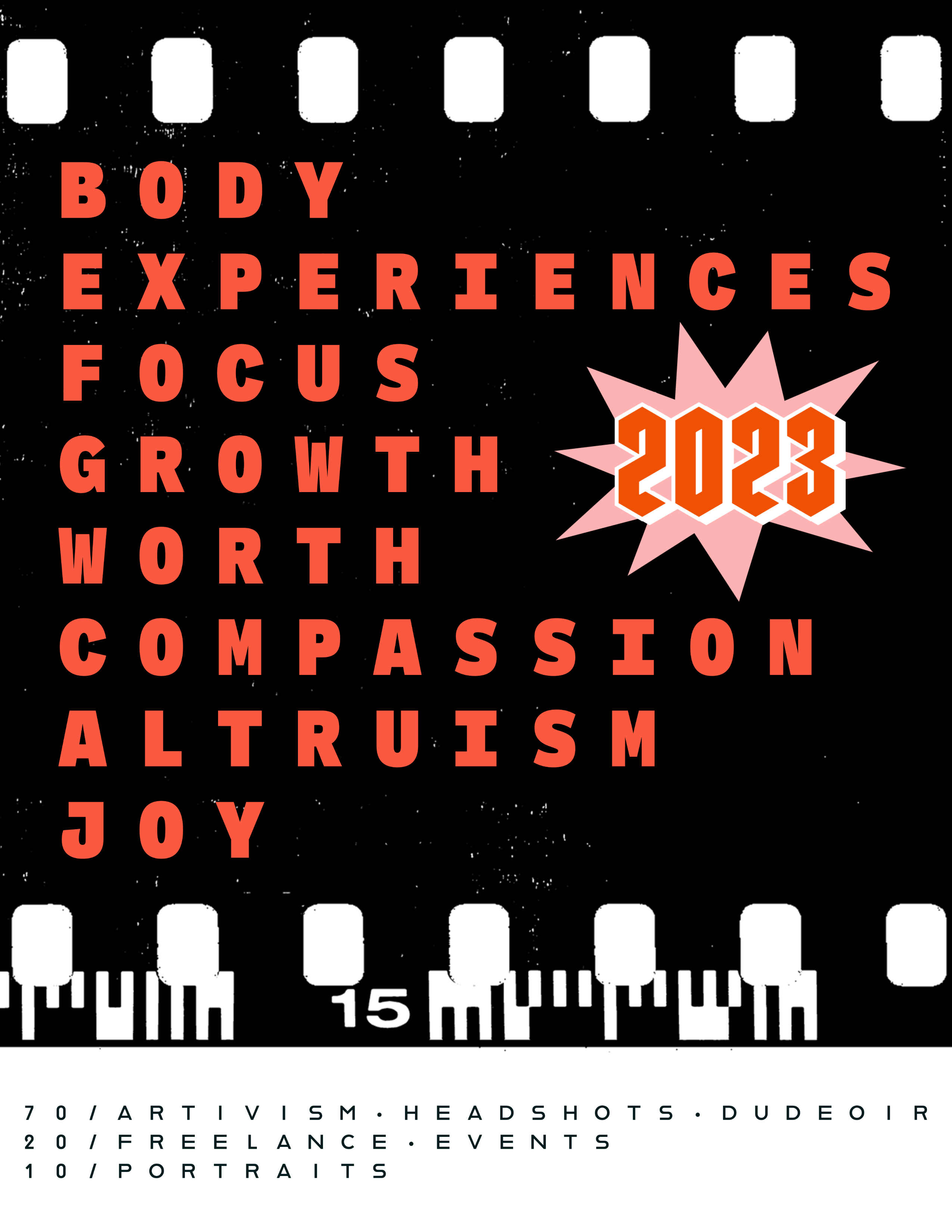
I use a 70/20/10 rule of thumb that is aspirational or intentional. I have less control than I wish but accept that on most days. I’ve learned to just go along for the ride! Abide by The Four Agreements as best one can on any given day. Live for and in today.

At this phase in life, I think my work is 10/70/20 across C Todd Creations, Artivism, and C Todd Dudeoir. Again. Aspirational subject to change depending on what the Universe sets before me and the choices I make thereof 😉

Thanks for listening. This was really more for me. (Is anyone listening?)

Keep tellin’ the story.

Sawubona

Professor C Todd Peacock III
Community Artivist, Connector, Storyteller & Healer

#GameOn #CBD #TraumaInformedArt #TraumaInformedLiving #CelebrateUU