Content note: This piece includes discussion or imagery tied to sex, substance use, and erotic imagery. It may be activating for readers with addiction histories around sex, substances, or stigma. Please take care while reading.
I picked up some art today from Magpie’s First Friday exhibition. February’s theme was The Dark Side of Love. I had submitted a piece titled “Nothing Bad Happened.”
For March, the theme is HOOKED: An Exploration of Addiction.
As someone in recovery from chemsex addiction, I hesitated to submit something. The shadow does not disappear just because behavior changes. It shows up in memory, in intimacy, in fantasy.
Addiction has been described as a thinking disease. My instinct is to outrun the thoughts or distract myself. My therapist tells me to sit with them instead.
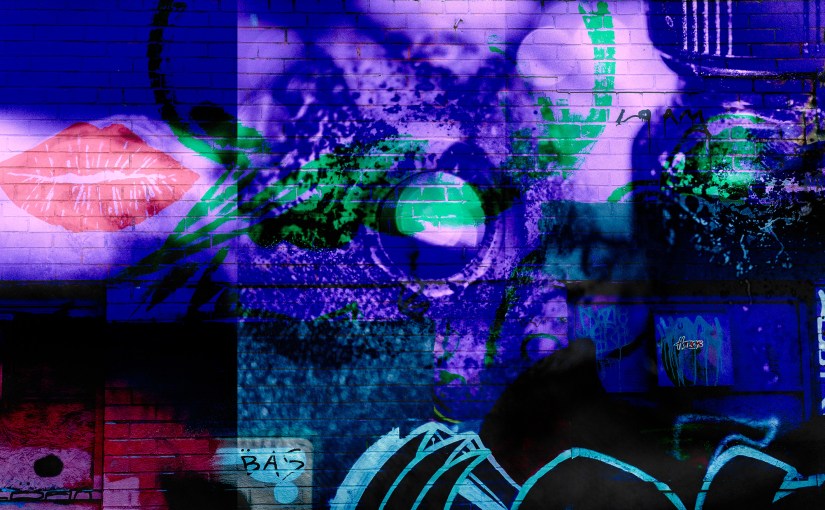
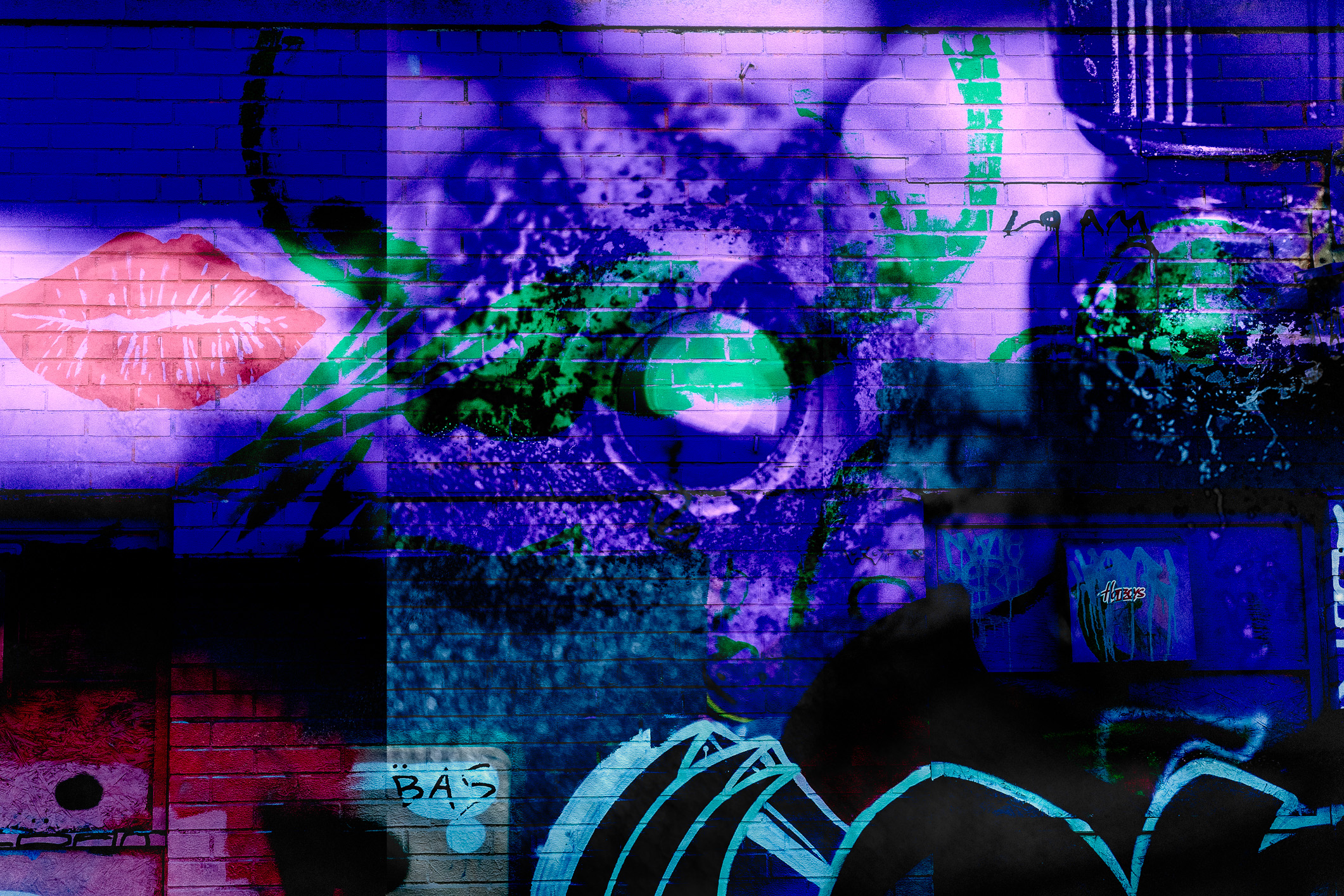
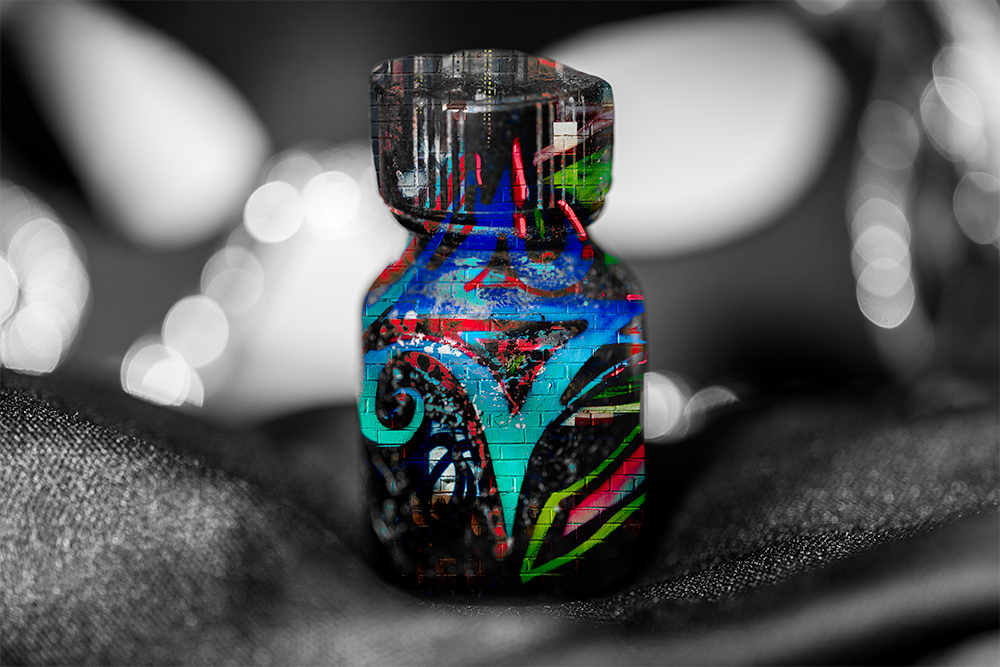
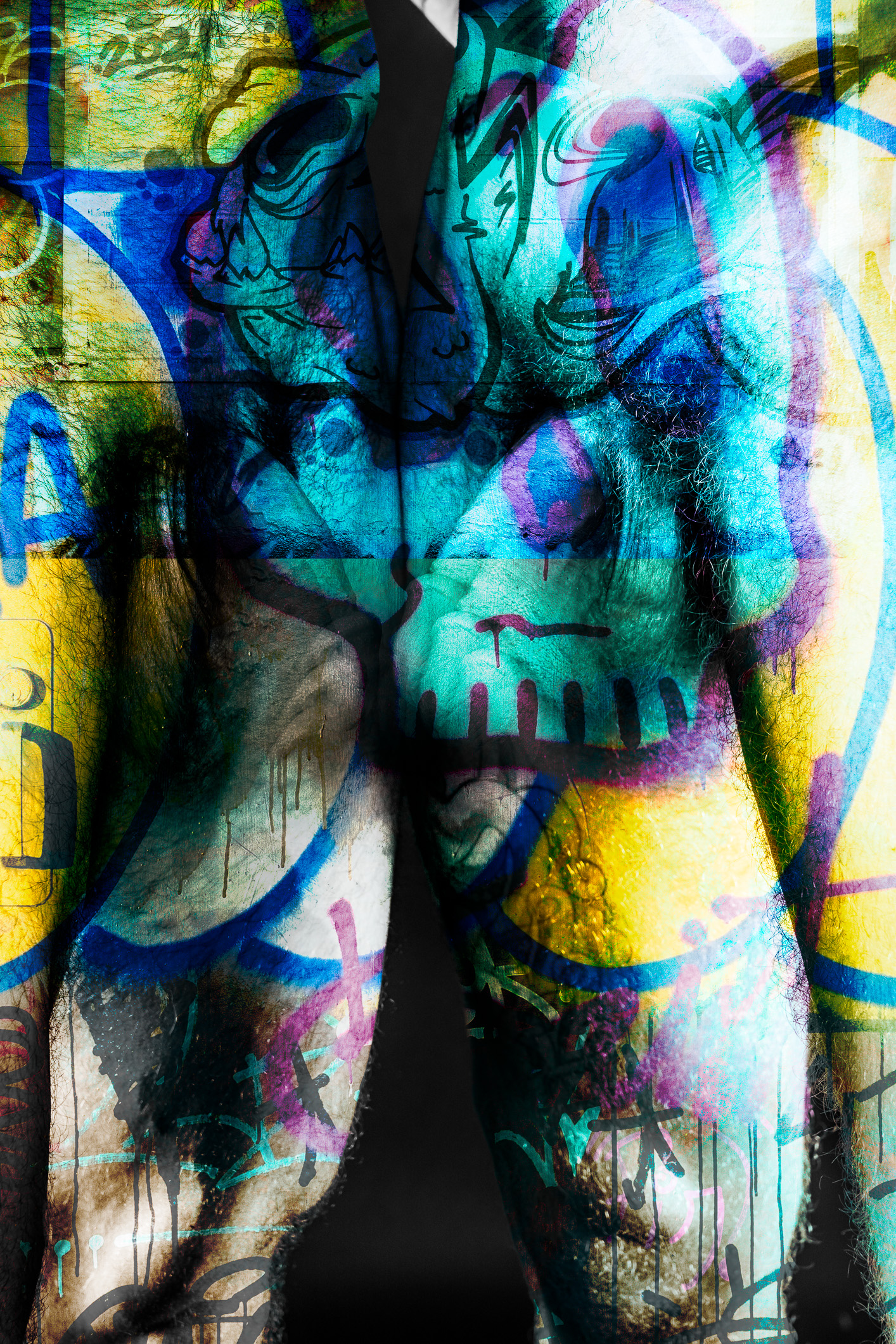
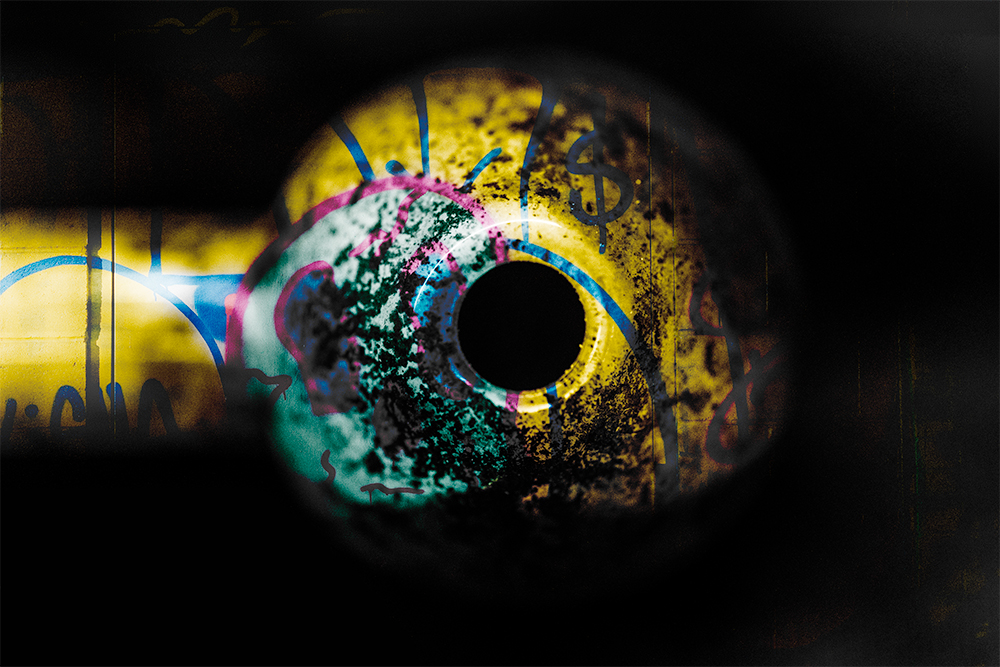
Relapse Fantasy came from doing exactly that.
Relapse does not start with using. It starts in imagination. In a flicker of memory. In a sensory echo. Rather than pushing those thoughts away, I photographed them.
These images are not about returning to old behavior. They are about recognizing the moment before it begins. They are about interrupting the cycle in real time.
My work may not sell. That isn’t the measure. For me, creating it is part of staying accountable. I am in recovery, and this work is part of how I maintain it.
“I am being called to take care of myself in a new way.” ~ AB
Relapse Fantasy
Just This OnceThis Fits in My HandI Am the DrugTunnel Vision
Exhibition Statement
Artist Statement – Relapse Fantasy
Relapse doesn’t begin with action. It begins with a story I tell myself.
Chemsex addiction fuses sex and stimulant use in a way that rewires the brain’s reward and attachment systems. Dopamine begins to feel like intimacy. Intensity begins to feel like connection. The brain remembers that pairing long after behavior changes, and it can make the fantasy sound almost reasonable.
Relapse Fantasy explores that negotiation with the brain — the moment when pleasure tilts toward compulsion, when “just a taste” sounds logical, when repetition disguises itself as ritual and obsession passes for desire.
I’ve stood inside that logic.
I’m not documenting use. I’m documenting the sales pitch.
As someone navigating recovery in real time, I make this work to externalize the thought before it becomes behavior. The fantasy isn’t neutral. It’s persuasive. Naming it is how I interrupt it.
Chemsex is not only an individual struggle. It reflects how quickly intimacy and intensity become entangled in queer culture in ways we rarely name out loud.
If this work resonates uncomfortably, that’s okay. Discomfort can be information.
If this work resonates with your own experience, I encourage you to seek support. You do not have to navigate it alone. If you are struggling with addiction, support is available at 988 (https://988lifeline.org/) or local recovery services (Indianapolis resources).
Keep tellin’ the story,
Professor Peacock
Note: These are my thoughts and my story. I used AI to make helpful edits to my ramblings and online journaling, including some organization to be more blog-friendly.Images are photographed and manipulated by me.
Content note: This piece references sexual role-play, kink dynamics, humiliation language, and HIV-related stigma. It may be activating for readers with trauma histories around sex, power, or medical stigma. Please take care while reading.
I had a hookup recently that was mostly good, a little scary, and unexpectedly clarifying. He is 55 so from the same generation as me. That matters for what came next.
There was kink. Some bondage. Some power play. Some things that pushed my edges in ways that felt exciting. And then there was a moment that landed wrong in my body in a way I couldn’t ignore.
At some point, he noticed the U=U sticker on the back of my phone. In the middle of the scene, he asked if I was HIV negative or undetectable. I answered honestly. Undetectable.
He shared that he was HIV negative. And then, woven into the role-play, he started using language about me being “toxic.” He asked who made me that way. He asked if I had ever “converted” anyone.
I want to be clear. I’m not opposed to fantasy. I’m not fragile about sex talk. I can hold a lot of words in a consensual space. But something about that language stopped me cold.
“Toxic” wasn’t hot. It wasn’t edgy. It felt old. It felt like fear dressed up as kink.
I found myself wondering why the details mattered. Who passed it on to me. The idea of “conversion.” The implication that my body was dangerous. Even in a fantasy, those words don’t live in a vacuum.
I said no. Gently. We moved on. The role play continued. And on paper, nothing bad happened.
And yet, something shifted for me.
I realized I had just discovered a new hard limit, one I didn’t know I needed until it was crossed. I’m still sitting with why that is. Part of me feels surprised by my own reaction. Part of me feels steadied by it.
As someone who does HIV advocacy work, I spend a lot of time talking about science, stigma, and criminalization in public spaces. I’m used to explaining. I’m used to educating. I wasn’t prepared for how jarring it would feel to have those same stories show up in a private, sexual space without warning.
This isn’t about blaming someone or calling them out. It’s about noticing the gap between what we think we understand about HIV and the stories that still surface underneath in intimate spaces. Even among people who believe they are informed. Even in spaces that see themselves as sex-positive.
I don’t have a neat takeaway yet. What I have is awareness. And a clearer sense of what I am not willing to eroticize, even in play.
For now, that feels like enough.
I also know this will find its way back into my art. That’s how I process. I feel my way through my body first, then let the images come later. There will likely be a new layered piece around sex, sexual harm, and the complicated space between pleasure and injury. Around recovery, healing, and growth that isn’t linear or clean.
This experience will be part of that. Not as a reenactment, but as an imprint. The lessons I’m taking with me. The sensations that stayed in my body after the night ended. The parts I’m still listening to.
That last part will be the hardest. And it’s the one I trust the most.