
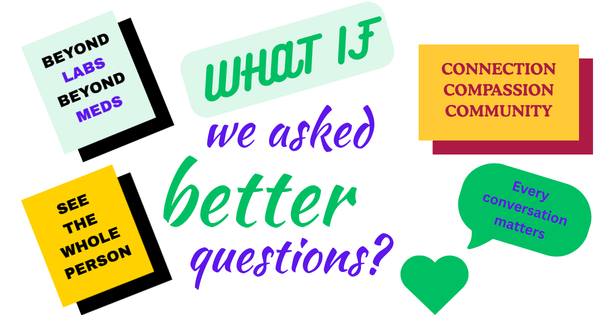
When I was diagnosed with HIV, nobody asked me how I was emotionally processing it.
They asked about medications. Insurance. Labs. Appointments. All important things. But the stigma, fear, shame, and trauma that came with my diagnosis went largely unaddressed. It took me nearly nine years to fully begin processing what HIV meant in my life.
Looking back, I often wonder what might have changed if someone had intentionally created space for those conversations earlier.
Recently, during a support group, we used a “Living with HIV Reflection & Discussion Worksheet” that asked participants to rate statements related to identity, stigma, support, resilience, disclosure, relationships, hope, and emotional wellbeing.
The exercise was simple, but powerful.
We discussed our highest and lowest scores as a group. The conversations that followed were honest, vulnerable, and deeply human. It struck me that a tool like this could help create meaningful conversations between newly diagnosed individuals and their care coordinators, peer navigators, or mental health providers.
Too often, HIV care focuses primarily on clinical outcomes while emotional adjustment remains invisible unless someone is already in crisis. But diagnosis itself can be traumatic. Even in 2026, many people still internalize stigma long before they ever meet another person living well with HIV.
A worksheet alone is not the solution. Checkboxes do not heal trauma. But structured conversations can open doors.
What if every newly diagnosed client had the opportunity within their first six months of care to talk honestly about identity, fear, disclosure, relationships, and hope? What if we normalized emotional processing as part of HIV care instead of treating it as separate from care?
I believe tools like this could help strengthen trust, deepen conversations, and identify support needs earlier. I invite peer navigators, care coordinators, mental health providers and agencies to think about ways to incorporate this into your routine care conversations and support groups.
Sometimes improvement in care starts with something very small: simply asking better questions.
Keep Tellin’ The Story,
Professor Peacock

 The Magical Storybook of Professor Peacock