
I have a dilemma. I think I like to write. I enjoy writing because it slows down my thoughts so that I can catch them one at a time, like feathers floating down in slow motion. Sometimes I catch myself and take my time to gather my thoughts – perhaps even a feeling from time to time.
About the time the credits start rolling, I’ve mixed so many metaphors that my paranoid brain says – wait! you can’t publish that. It’s way to random.
So i start to edit.
And i put together a couple good sentences, where things start to make sense. at least they do as I’m typing these very words. Look, I think and literally the words appear on the page.
I am god
Heresy.
But think about it.
That’s basically what just happened. I put on some music (cue the tape). It set the mood.
If could have been Jack Johnson.
Or AJR The Click – Deluxe Edition, which was the soundtrack for my 2021.
no really. it was. do you know how many times I played that song. and in playing that song, I could see a macro view – high up, from a drone moreso than a macro, so more like a bird’s eye view. that’s it.
I can go back and clean all that up so it makes sense.
or i can stop and just let it flow. without capitalization or even worrying about spelling.
ok. fix the god damn spelling dude. with a simple mouse click, you can look like you actually KNOW how to use that big word to express your innermost fears and emotions.
breathe
fix it
next one
then this eccesciential fear comes in from my left brain and I find myself wanting to dissect my thoughts like a frog in science class. point out that exestensial is spilled wrong. but not wanting to stop the flow of trains in my head
damn those metaphors
so where were we. oh yea.
the movie script
as an aside, while this paragraph is still sitting here without connection to anything else in the story. so i just leave it here for you to ponder. not that I remember ever actually having done a biology class experiment where we dissected frogs. Did you? Is that just something they show in movies? All I can remember is taking AP Biology.
I look at it with a slight detachment
so back to setting the mood. today needed pure meditation.
this is about the exchange of energy and the free flowing creative spirit, coming forth in words on a page. combined with playlists, and stories, and images and art and words – it becomes a new thing. never yet contemplated in our universe. and here it is.
and the amazing thing
this is just one spirit
one soul
one voice
imagine what will come when we all connect and adjust our frequency.
cue the broadway musical. no really. enough of this meditation crap.
let’s get back to sex.
https://embed.music.apple.com/us/playlist/pure-meditation/pl.e896478fdf824a93ab2f99165c3a1422Maybe I got bullied as a child. I can feel that in my bones. That hit a nerve as they say.
I think this is the point where I pause and say – step away from the keyboard.
yes you’ve amassed 10,000+ crazy ass images you might someday create with
yes you’ve recorded hours of soundscapes and pictures
by why aren’t you telling the whole story using all your senses.
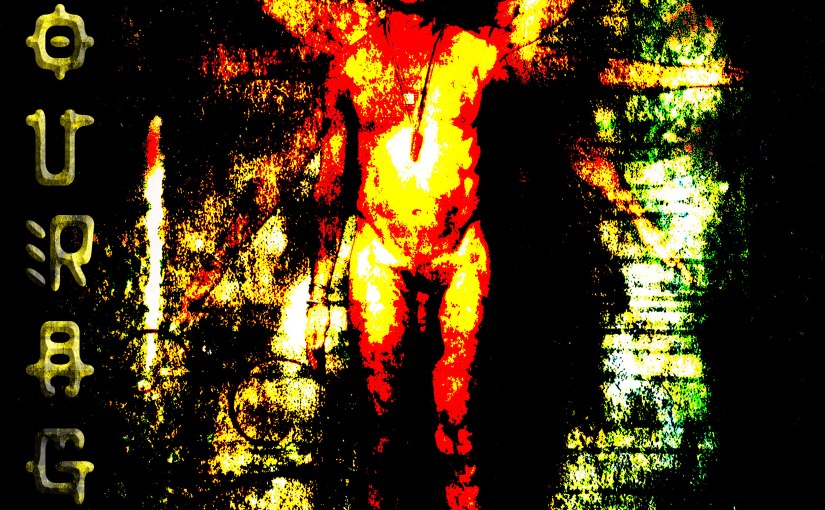
create a 5D art form where I take images, and create a video or not. and i blog about the image or images. and i link in the playlist so the listener can watch the art and feel what i was feeling when i created this concept
that’s the 5D element. that’s my art form of storytelling. my unique creation.
c todd create
and he is.
so let him be for a little while longer
but let’s change the soundtrack to something more
shall we say
romagical and ramantophied.
The Mad Crazy Storybook of the Right Lord Reverend C Todd Peacock III.
Sit down little boy
let me tell you a story…
and that’s how this love story continues.
by choosing the thoughts, the words, the moments, then intentions.
that’s what showing up for work means
and there ain’t nothing wrong with pouring your heart and soul and talents into creating that.
art
be
art
be
art
be
sit
be
feel
create
listen
learn
grow
that is all
and yes, jack johnson makes me think of the last happy time i felt stoned
if we use it, enthruse it. there is no shame in living life and feeling it all
carpe diem
dead poet’s society is one of my value definers
so was the house fire
but that’s another story for another day
and the lesson i learned about grief from a grieving father
life well lived
life lived with intention
life made of choices
simmered in love
with a dash of community
and a shitload of grace.
that’s what i’ve learned in this place called community.
Thanks for listening,
Keep tellin’ the story.
Sawubona
Professor C Todd Peacock III
Community Artivist, Connector, Storyteller & Healer
 The Magical Storybook of Professor Peacock