

I recently met a young college student who is living with HIV. It became apparent that he was interested in opportunities to get connected to the local HIV community, and didn’t know where to start or where to ask.
In some of the HIV community work I do, we’ve talked about two needs.
First, how do we better engage young people, because the highest rate of new cases in Marion County is ages 20-24 (see first graph below). We struggle to engage this age bracket! What are their unique needs? What are their unique challenges and opportunities? We also see the lowest retention in care and viral suppression rates for ages 25-34. We’ve got to do better prevention (including PrEP & testing) and engagement in care — doing so in culturally and ethnically accessible ways. WE MUST DO BETTER. (Source: 2023 Marion County HIV Epidemiology Profile
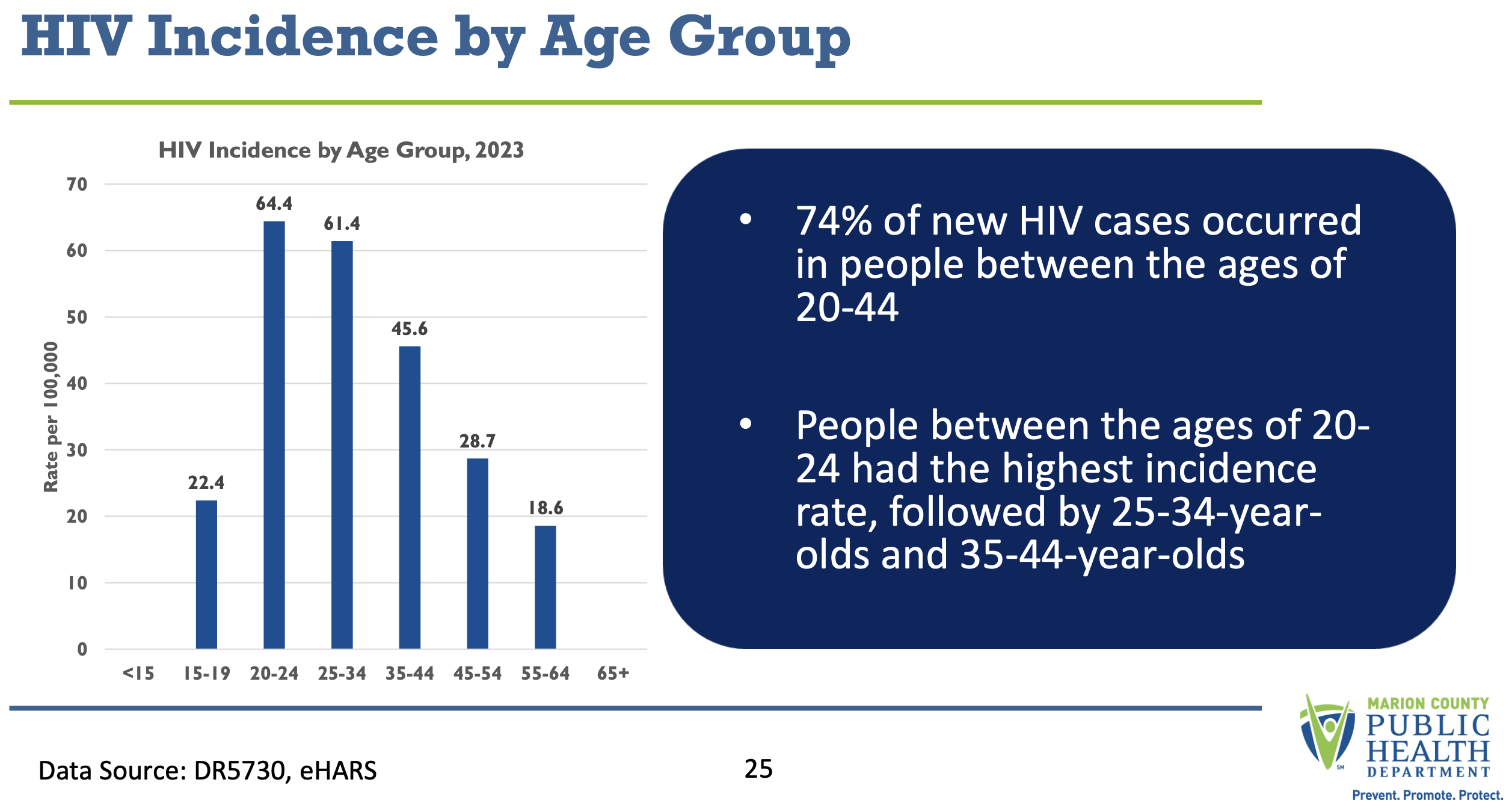
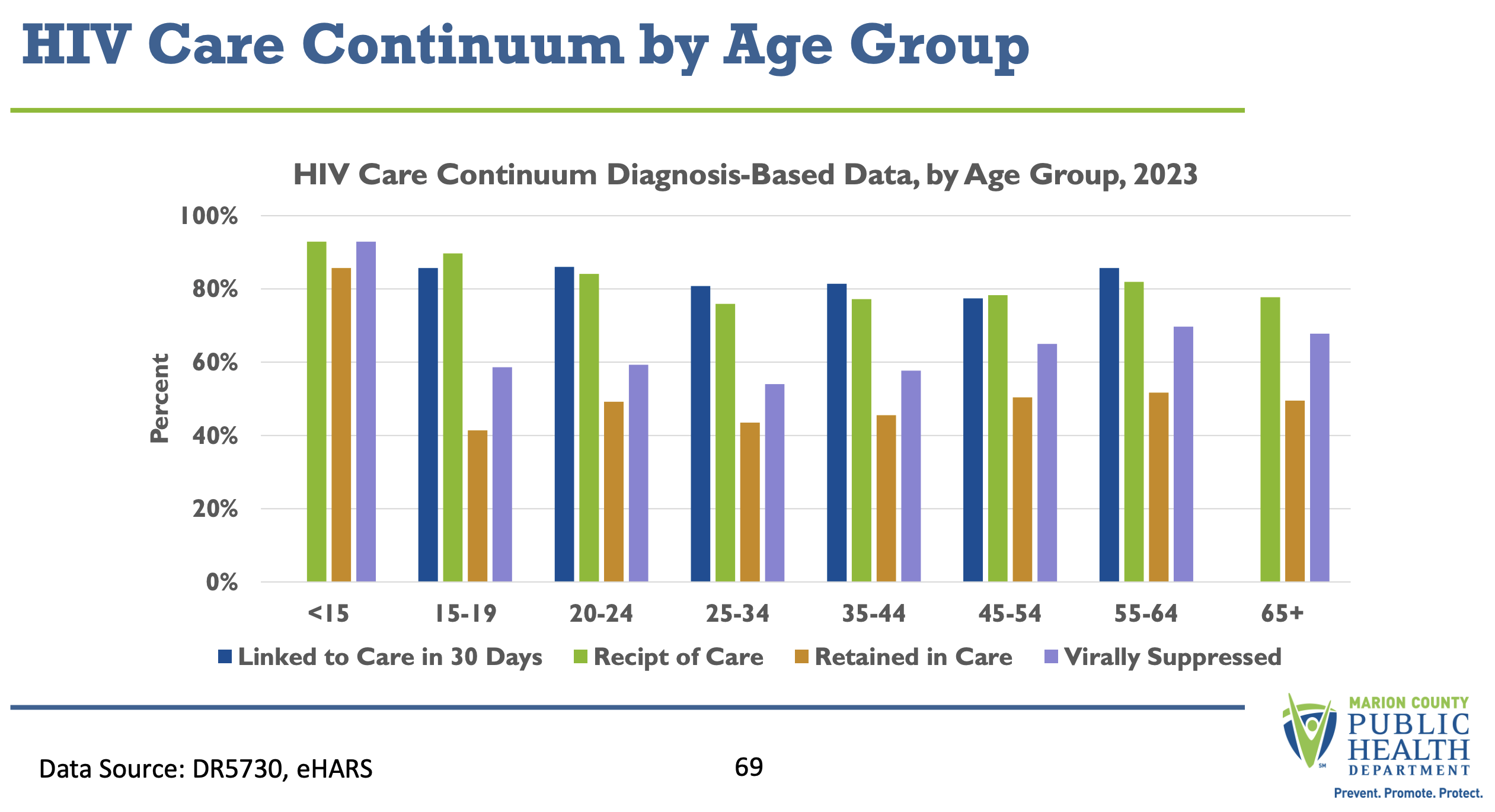
The second thing we struggle with is representation of this demographic in our community engagement and oversight – and really, all of the people under our care. In these cases, representation matters. So for example, we need people living with HIV to be on state, regional and local level councils and task forces. And within those councils, some are actually mandated by legislation that we have demographic representation.
These efforts represent partnerships between state and local level health departments, HIV care agencies & hospital systems, community organizations in the HIV arena and outside the HIV arena, including blood banks, plasma centers, faith-based organizations, places of worship etc. In these spaces, representation matters.
In our EHE Task force, we’ve been talking about creating a general presentation that could be taken to agencies and shared with people living with HIV. Rather than each committee or council coming to make the pitch, present them all at once! Educate and empower people on ways to get involved and have their voice heard. Hence, the idea for this blog post was born! It may lay the groundwork for a powerpoint or reel that can be shared. Thanks Obama!
Renewed HOPE – HIV Opportunities for Passionate Engagement

Given these two needs, I wanted to share as much information with this young man as possible – and then let him pick what makes most sense for him. In doing, I gave him “new hope and even more to be excited about in the future.” For me, meeting him and pulling this together for him gave me a “hope boost” as well. So, I came up with the acronym HOPE – ways to get involved in the HIV community that provide Helpful Opportunities or HIV Opportunities for Passionate Engagement.
Sadly AI misspelled my tagline – (subtle way of giving AI credit! The text of this post was written by me, no help from AI! But, I’m not a graphic designer!) AI helped me write the “meta description” for Google. Just to be clear 😉
I became very excited and wanted to share with him all the ways that he could get involved without overwhelming him.
This is written with a heavier emphasis (details) on opportunities in the Marion County area, or greater Indianapolis and surrounding counties. But, I’ll do my best to represent state and regional level groups – though I may need more help / time with the details on how to join. This is a start!
SUPPORT GROUPS
- Phoenix Support Group @ BU Wellness – The Phoenix Group is a support group for those living with HIV. This group celebrates the resiliency and strength of people living with HIV while providing a safe space for authentic discussions. Phoenix Groups meets the second and fourth Thursday of every month at 5:00PM at BU Wellness 1712 N. Meridian. Contact Kem Moore at kmoore@buwellness.org for more information or just show up!
- Sisters United @ BU Wellness – A safe space for Black/African American women living with HIV. Sisters United meets the second and fourth Wednesday of every month at 5 PM at BU Wellness 1712 N. Meridian. Contact Aminata Tounkara at atounkara@buwellness.org for more information or just show up!
- Long Term Survivors @ Damien Center – The Positive Living Social Group is a space for those living and thriving with HIV to find peer support, share their journey, and connect with their community. Meets every week on Tuesday from 11a-12:30pm in the Damien Board Room. Contact: Robin Thompson (rthompson@damien.org) or just show up!
ADVOCACY / COMMUNITY WORK
Giving back feels good. But it’s also a way of making a difference, by being involved in various councils, task forces and coalitions. And as a I mentioned before, representation matters. Meaningful involvement of people with HIV/AIDS (MIPA) is about ensuring that the communities most affected by HIV are involved in decision-making, at every level of the response. Learn more about MIPA here.
Note: Some opportunities are volunteer; some offer a small stipend for PLWH’s time.
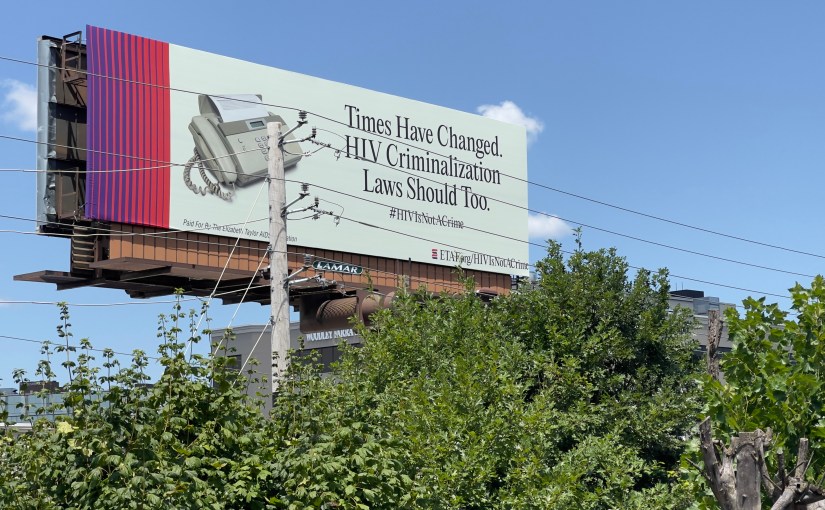
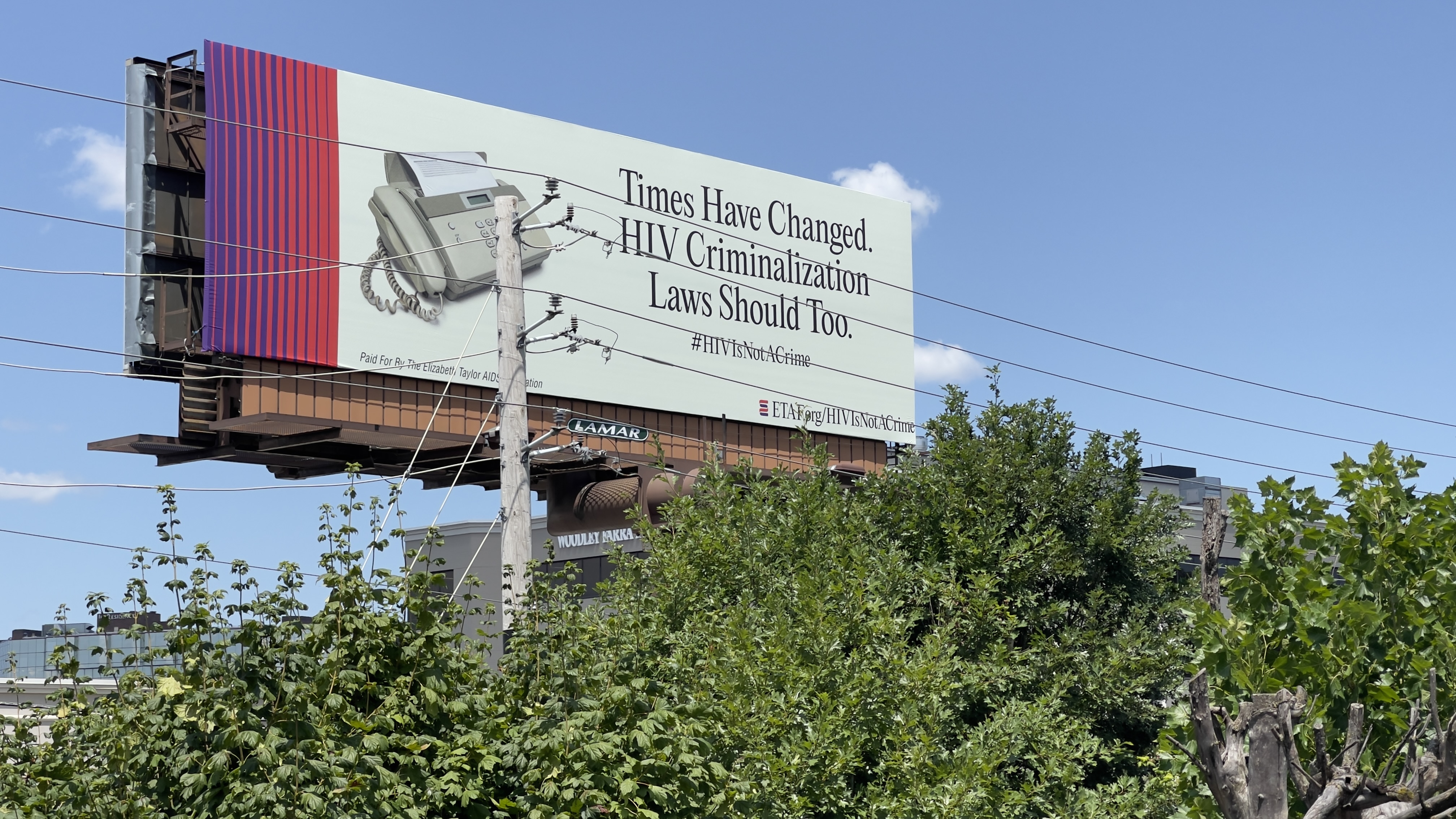
- HIV Modernization Movement – Indiana – Statewide grassroots effort of PLWH and allies to modernize HIV criminal laws in Indiana. We introduce legislation each year to modernize HIV criminal laws that contribute to HIV stigma and are contrary to good public health. Join online to get monthly newsletters. Easy engagement – sign up at https://hivmodernizationmovement.org/join-us/
- Ryan White Planning Council for Indianapolis TGA – (transitional grant area) serving Marion County and surrounding donut counties, this group oversees the funding and service quality of all ryan white funded HIV services in the area. A community board (with 1/3 being PLWH) meets 4 hours every other month to manage council business. There are various committees and ways to get more involved. More info at https://ryanwhiteindy.org/planning-council/ Application for membership available here
- State-Level HIV/STI/Hep C Advisory Council – Indiana HIV/STI/Viral Hepatitis Advisory Council work in partnership with Indiana Department of Health to lead statewide efforts in identifying, implementing, and evaluating strategies and prioritizing funding to close gaps, eliminate barriers, and increase access to information, resources, supports, and services designed to end the HIV epidemic and eliminate Hepatitis C and STIs addresses any gaps, barriers or trends related to service provision in alignment with the Integrated Plan, Care Continuum and the ZIP IN Plan and provides advisement and guidance to IDOH. Council meets every other month to manage council business. There are various committees and ways to get more involved. More info at https://www.zipindiana.org/statewide-advisory-council
- Regional ZIP (Zero is Possible) Coalitions – Zero is Possible – Indiana (ZIP-IN) is a statewide initiative bringing together the essential people, tools, and resources to end the HIV epidemic and eliminate Hepatitis C (HCV) in Indiana. Coalition meets 1.5 hours, once per quarter. Sign up at https://www.zipindiana.org/get-involved
- Marion County Ending the HIV Epidemic (HIV) Task Force – The Ending the HIV Epidemic Task Force will maximize the authentic engagement of the community, especially priority populations, to end the HIV epidemic in Marion County. The Task Force meets 2 hours every other month. There are various committees and ways to get more involved. More information at https://marionplan.org/
- County or Regional CAG (Community Action Groups) – I’m tired, and less familiar with these outside of Marion County. But there is funding and structures for local health departments to connect with local agencies and people living with HIV.
- Client Advisory Board at your HIV clinic or agency – talk to your care coordinator, but each HIV service agency is required to have some form of client involvement or feedback. Many agencies use a client advisory board.
- Volunteer at your agency – including being on their Board of Directors
- Support fundraisers at agencies, the Indy Bag Ladies, or the Indiana AIDS Walk
- Organ Donorship – sign up to be an organ donor! People living with HIV can have organs donated to other people living with HIV under the HOPE Act of 2013 (Congress). The HOPE Act has given more than 350 people living with HIV the opportunity to receive a transplant from an HIV-positive donor, with the first patients receiving transplants in 2016. Sign up here or at your local driver’s license branch!
There are also national efforts like AIDS Watch in DC, HIV Is Not A Crime Conference hosted by The SERO Project, Positive Living Conference among others. Check out
I would recommend picking 1 to start with – there are a LOT of ways to engage, depending on what you’re looking for. Each board or meeting has its pros/cons, sphere of influence. I’m happy to share more if you want to know more.
A good place to start? Sign up for HMM-Indiana, and see what else your time allows!
CAREERS IN HIV CARE
There are two exciting opportunities I want to share: The Indiana Statewide AmeriCorp Program and the Marion County HIV Peer Navigator Program.
The Public Health AmeriCorps Program
The Health Foundation of Greater Indianapolis, Inc. currently supports a statewide Public Health AmeriCorps (a Healthy Futures grant supported by CDC) supporting up to 34 Members in partnership with 18 Service Sites, located in every region of Indiana. Our program is focused on development in under-resourced areas that will benefit from further enhancement of public health infrastructure, as it relates to HIV, Hepatitis C (HCV), and Harm Reduction. Lived experience is encouraged but not required. This program last for 11 months (September-July), and provides a living stipend. For more information including applications go to https://thfgi.org/americorps/
Information for 2024/25 Year (subject to change in the future)
🗓️ Full-time service from September 1, 2024, to July 31, 2025
💰 Living allowance up to $20,000
🎓 Education Award of $7,395.00
👩⚕️ Comprehensive health, dental, and vision insurance
👶 Childcare assistance and loan forbearance options
📚 Extensive training, mentorship, and professional development opportunities
🤝 Make a difference while gaining valuable experience in public health and community service!
Marion County HIV Peer Navigator Program
A new grant-funded program starting in 2024, that will provide 3+ HIV Peer Navigators in Marion County. This is the first HIV Peer Navigation program in the State, as far as I’m aware. This has been successfully implemented in Florida, Illinois and many other locations. This position plays a pivotal role in helping engage or re-engage persons living with HIV, PLWH, into treatment and care programs. This position will engage, coach, and mentor clients in developing skills needed to ensure treatment retention, medication adherence, and viral suppression. The first 3 positions were hired in August 2024, so as it expands or there is turnover, there may be new opportunities. This is a paid opportunity with benefits – a great entry level position for someone wanting to work in the field. Although the Health Department can’t state this as a requirement because of HR policies, the intent is to fill these positions with individuals living with HIV. This approach is modeled after success in the addiction/recovery arena, and has been successful in other states and cities.
KEY ANNUAL EVENTS & FUNDRAISERS
Again, these are largely Indy-area hosted, although some are statewide (e.g. UNITY) and several try to draw statewide participation for award presentations.
- Spotlight – fundraiser for Indiana AIDS Fund (April)
- Long-Term Survivors Day Event – hosted by BU Wellness Network (on or around June 5)
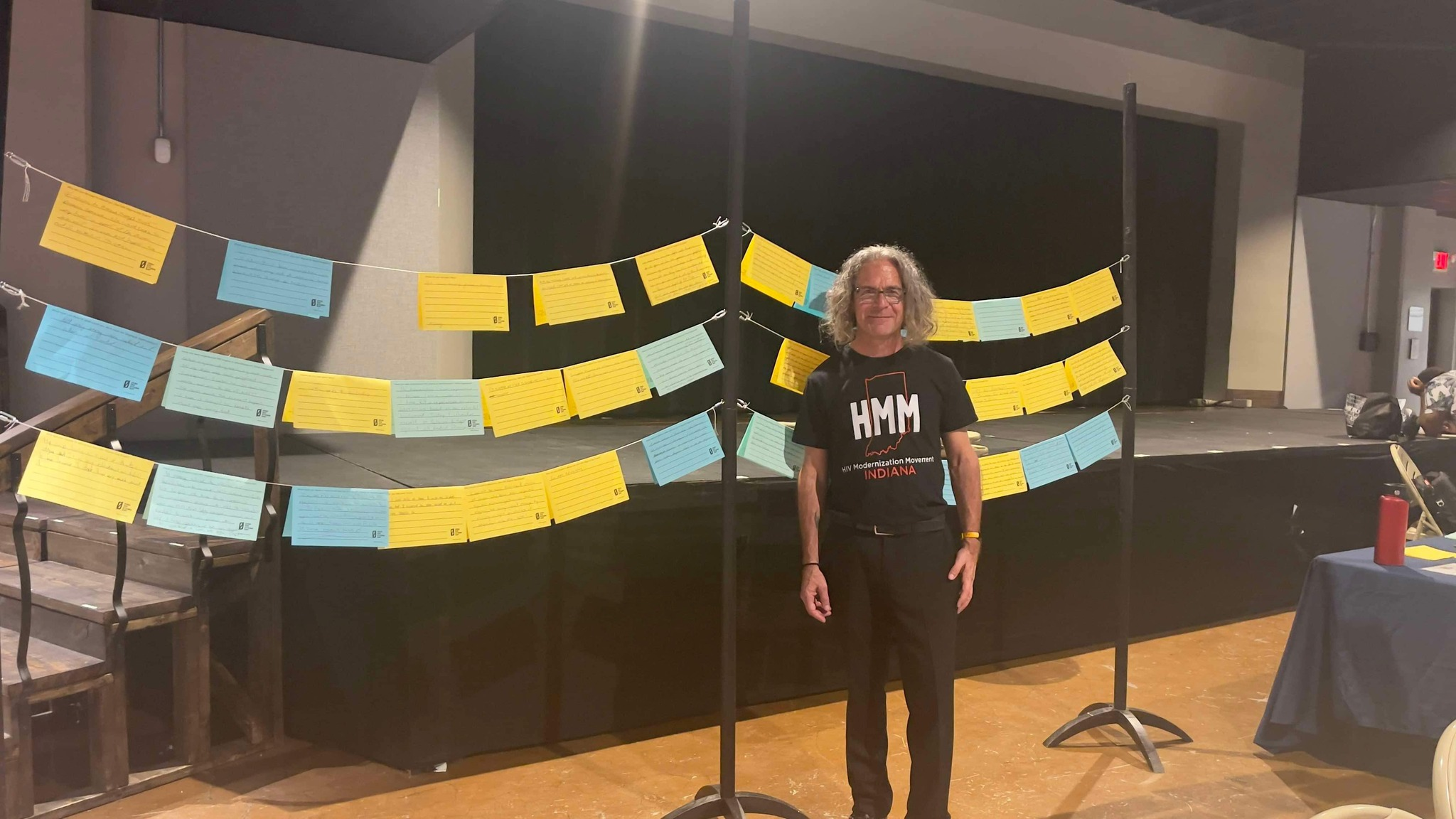
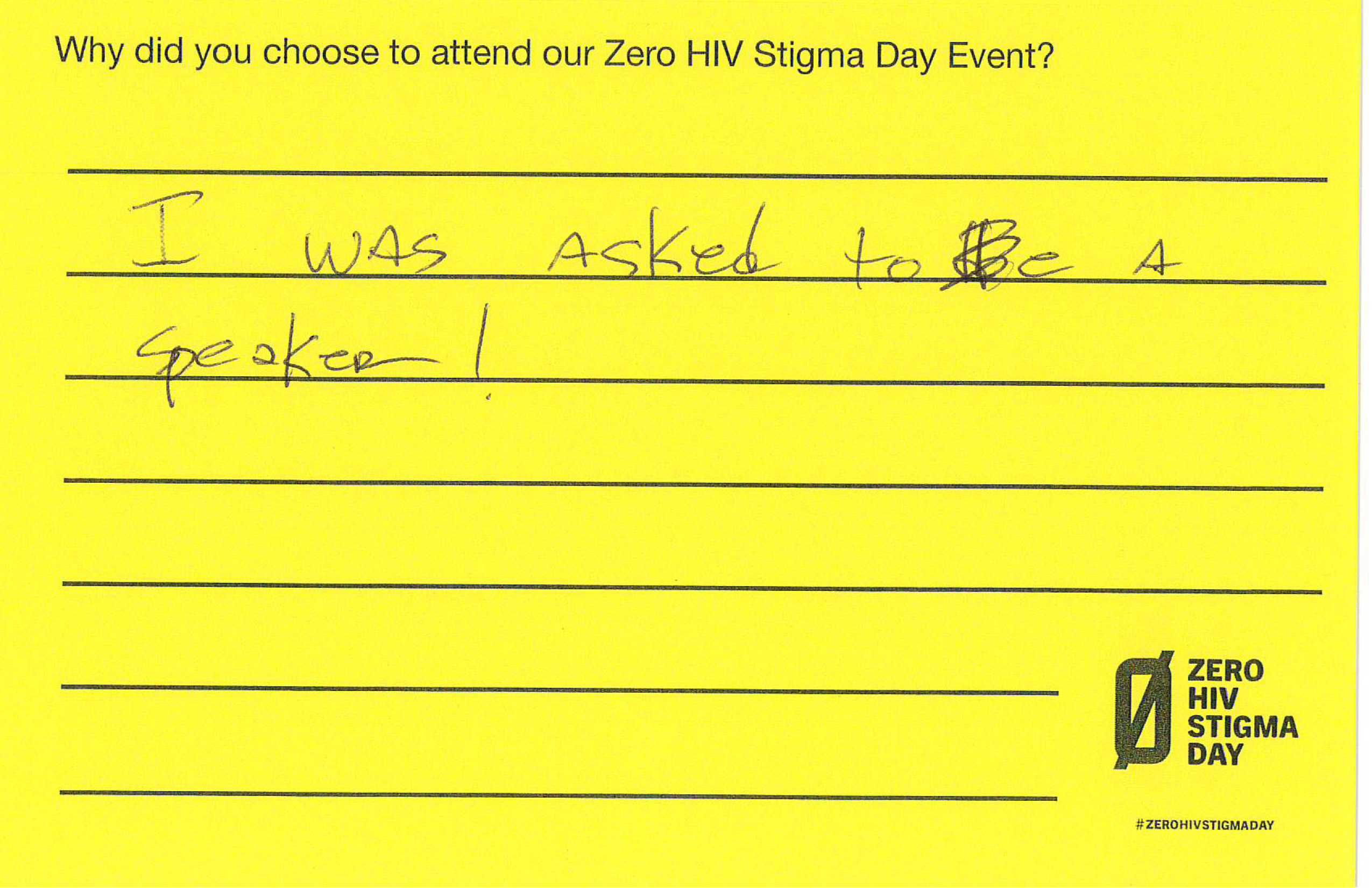
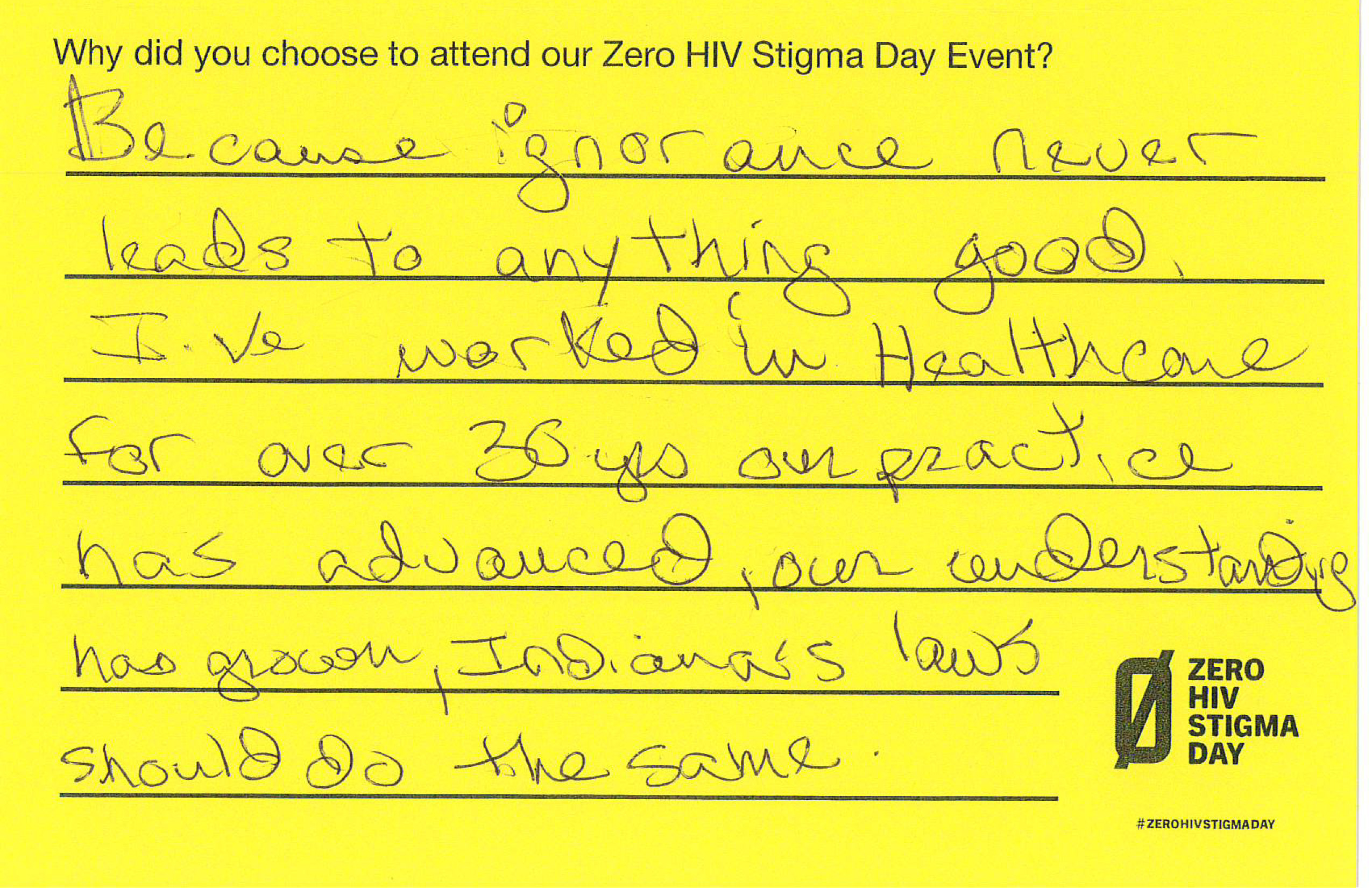
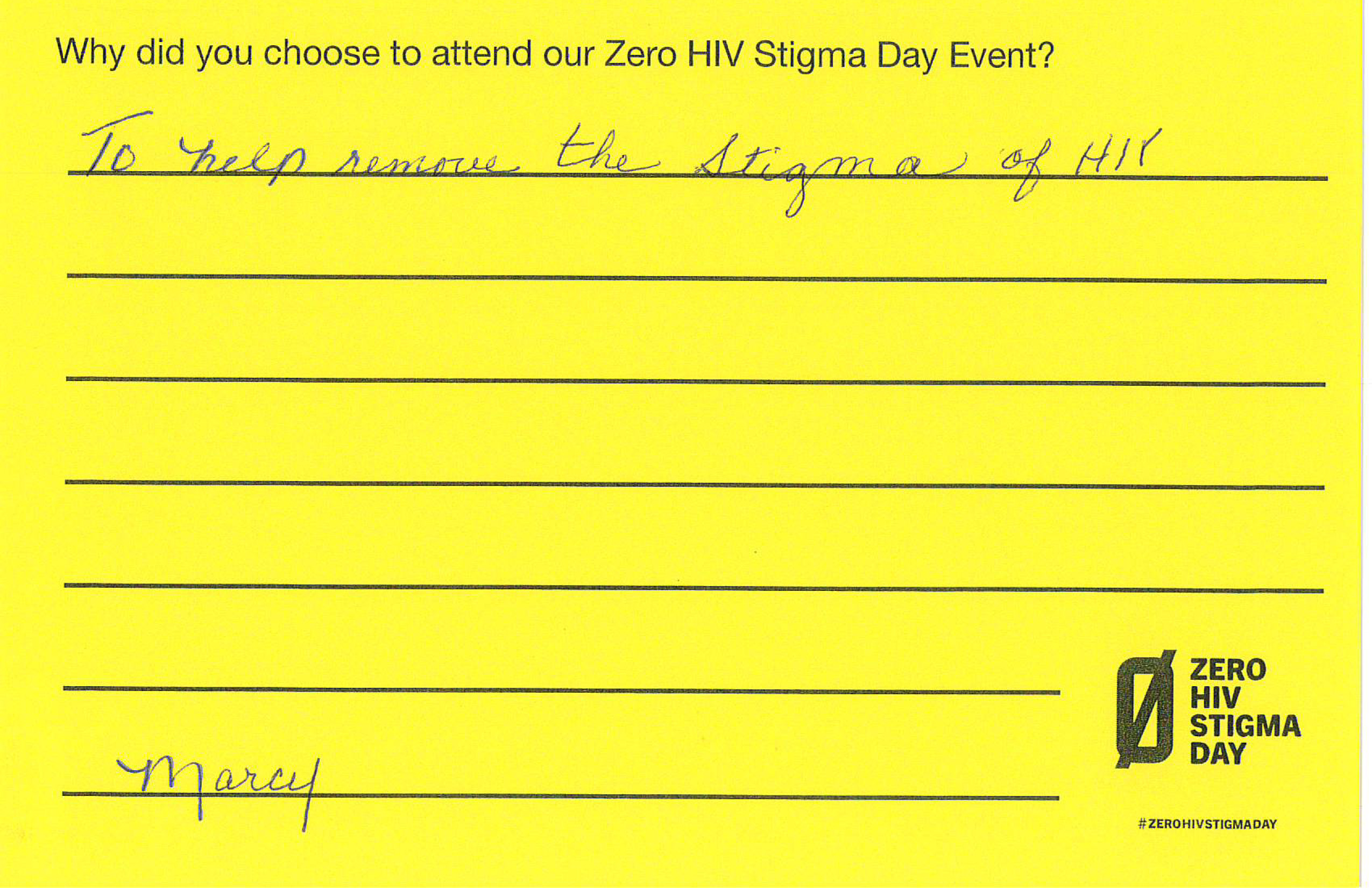
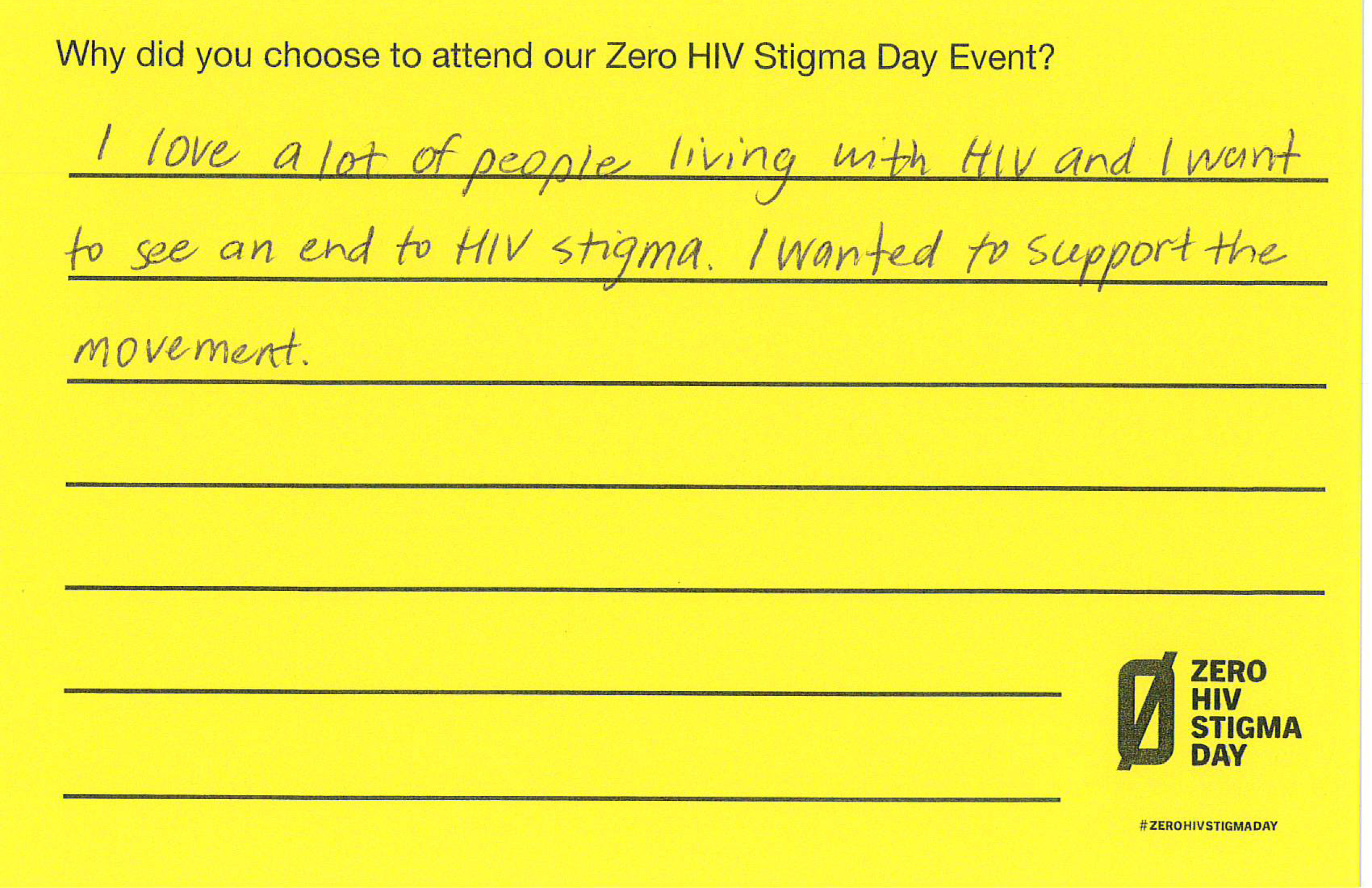
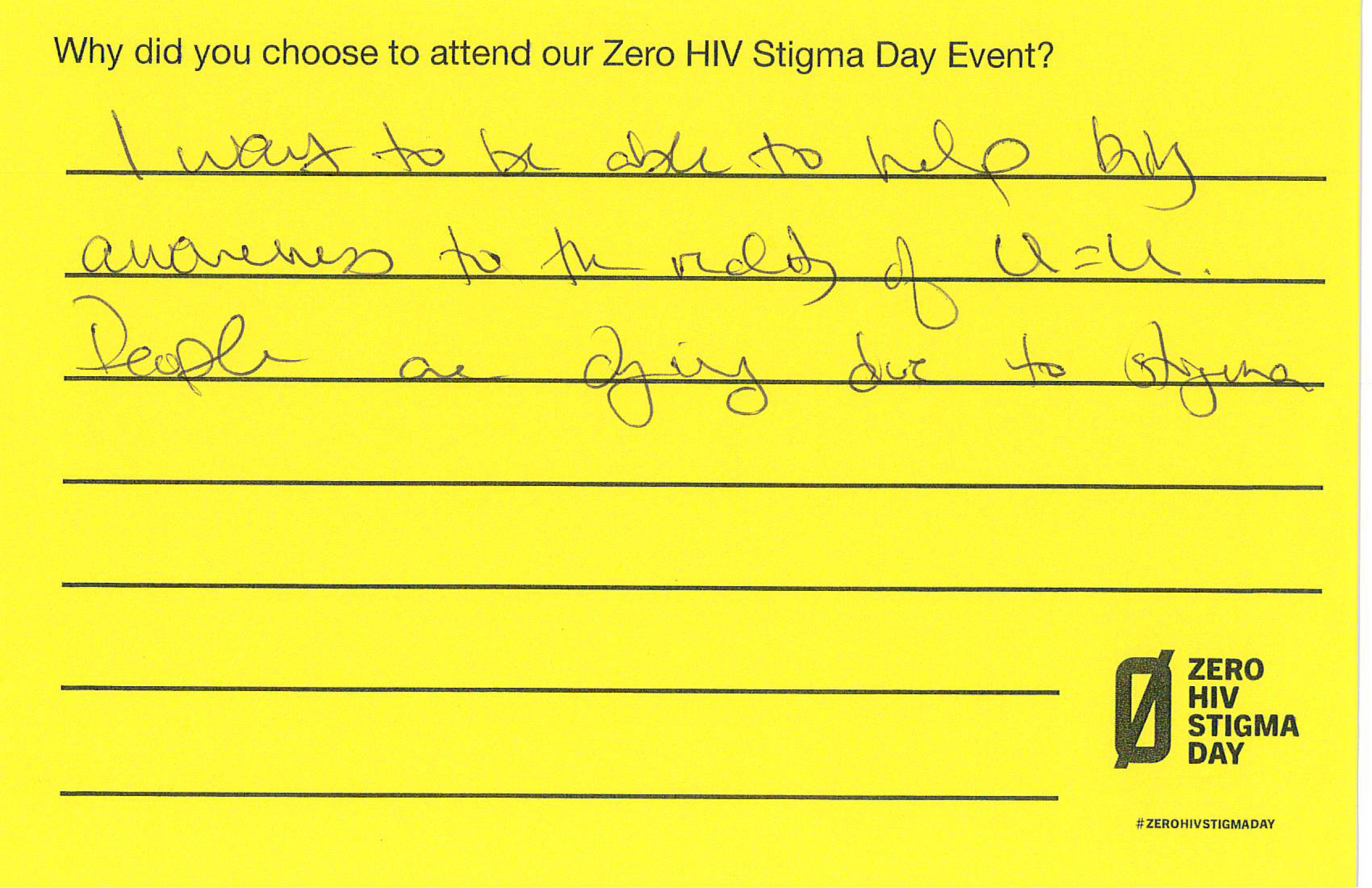
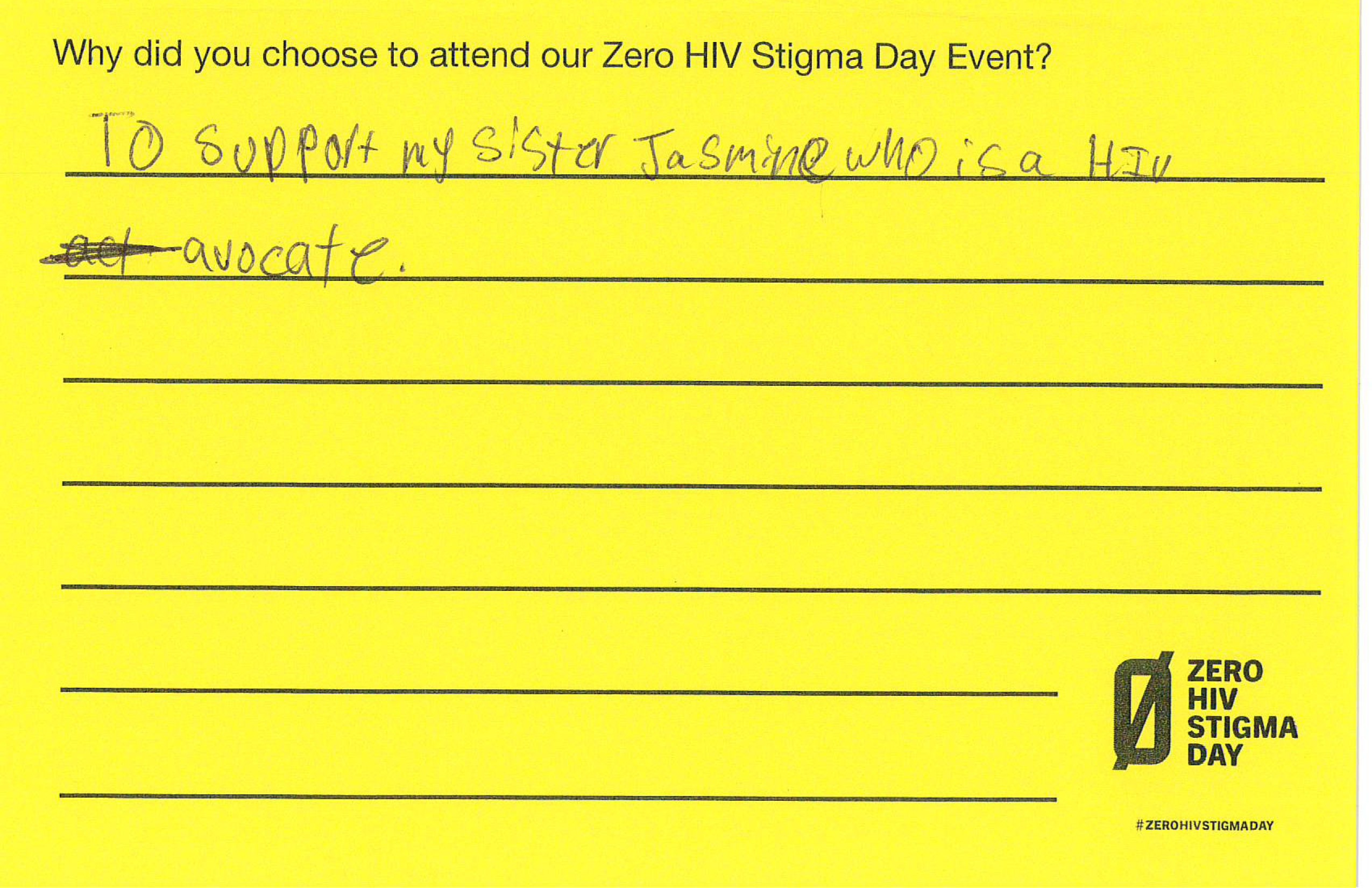
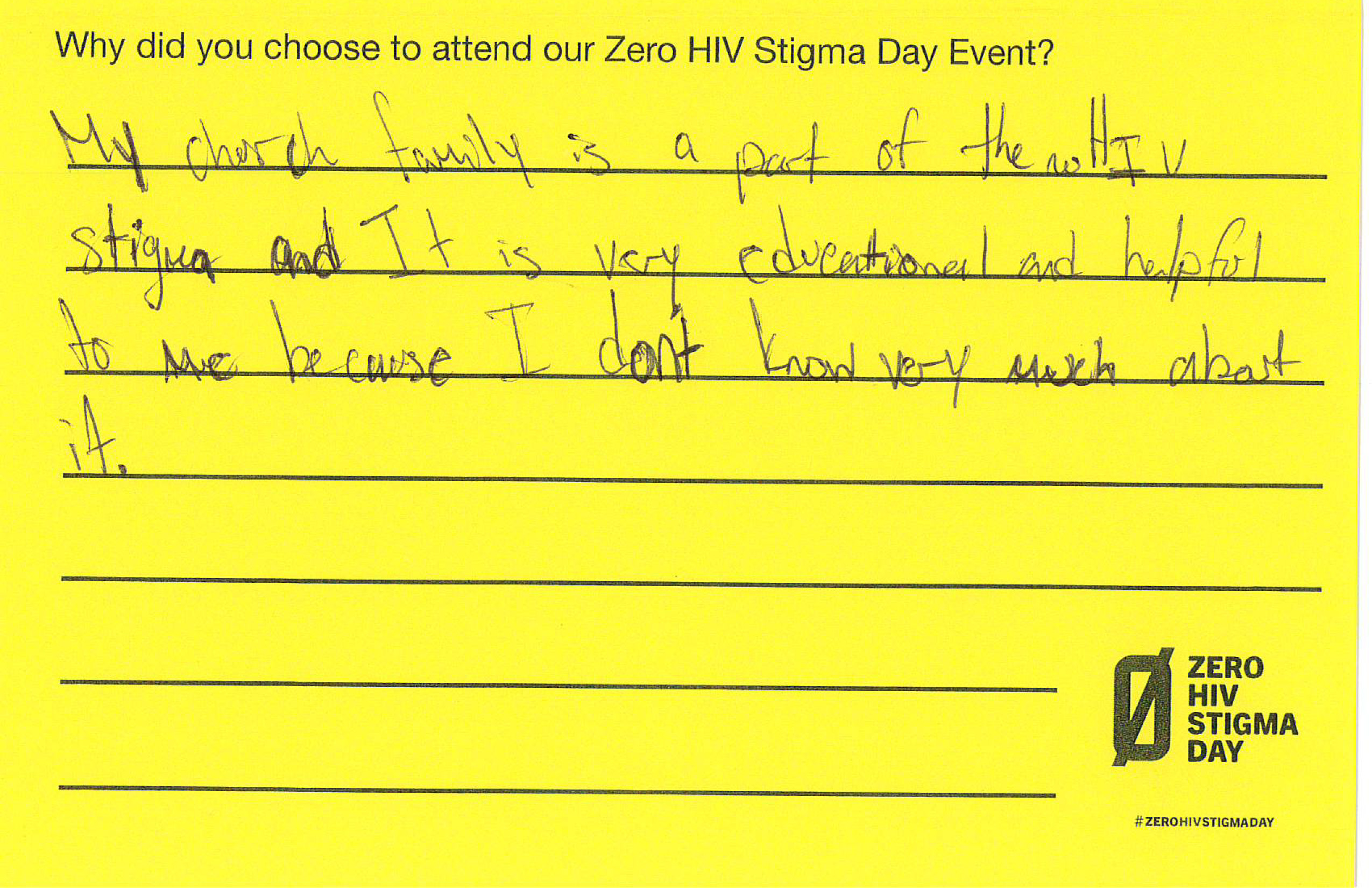
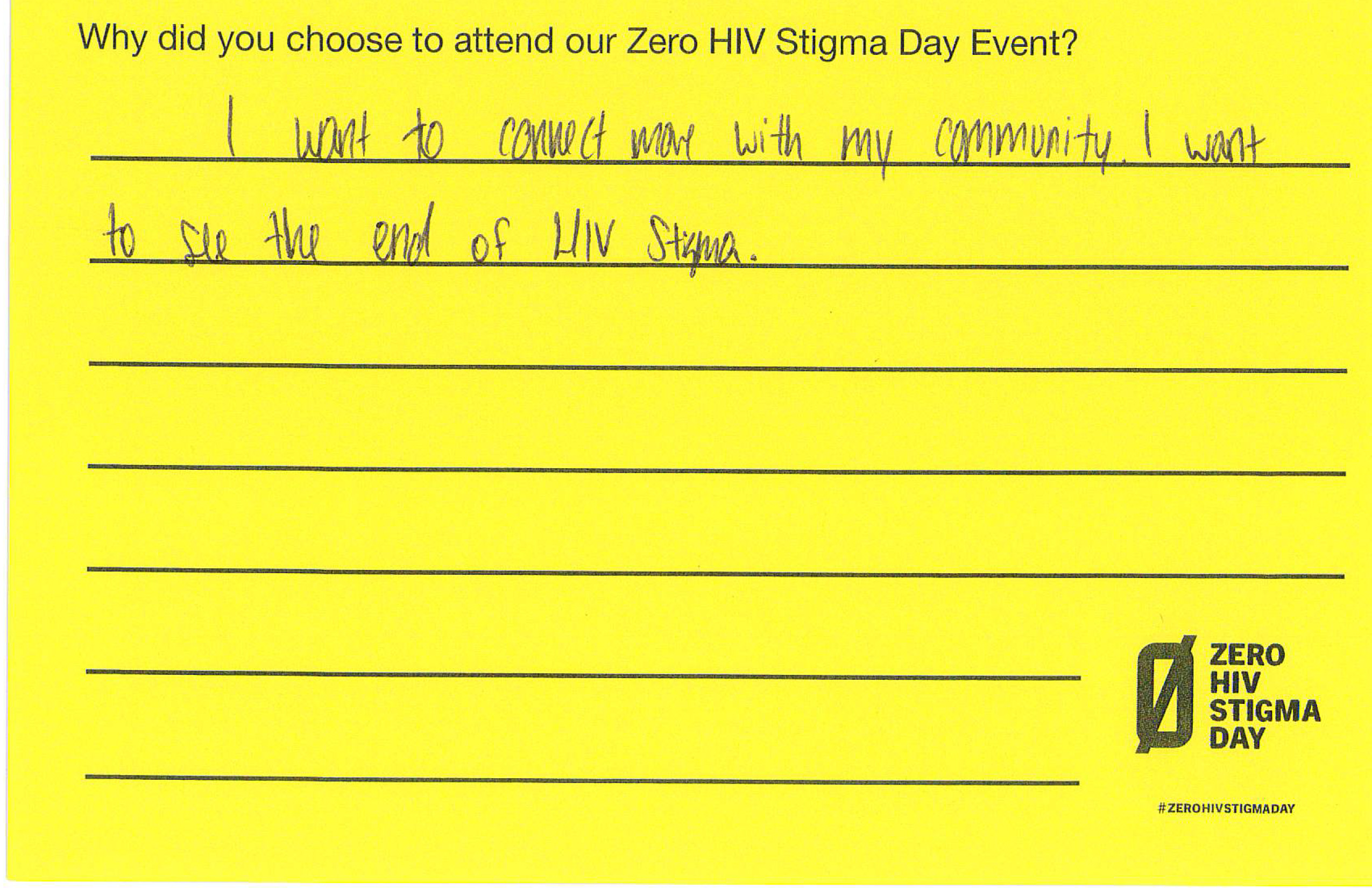
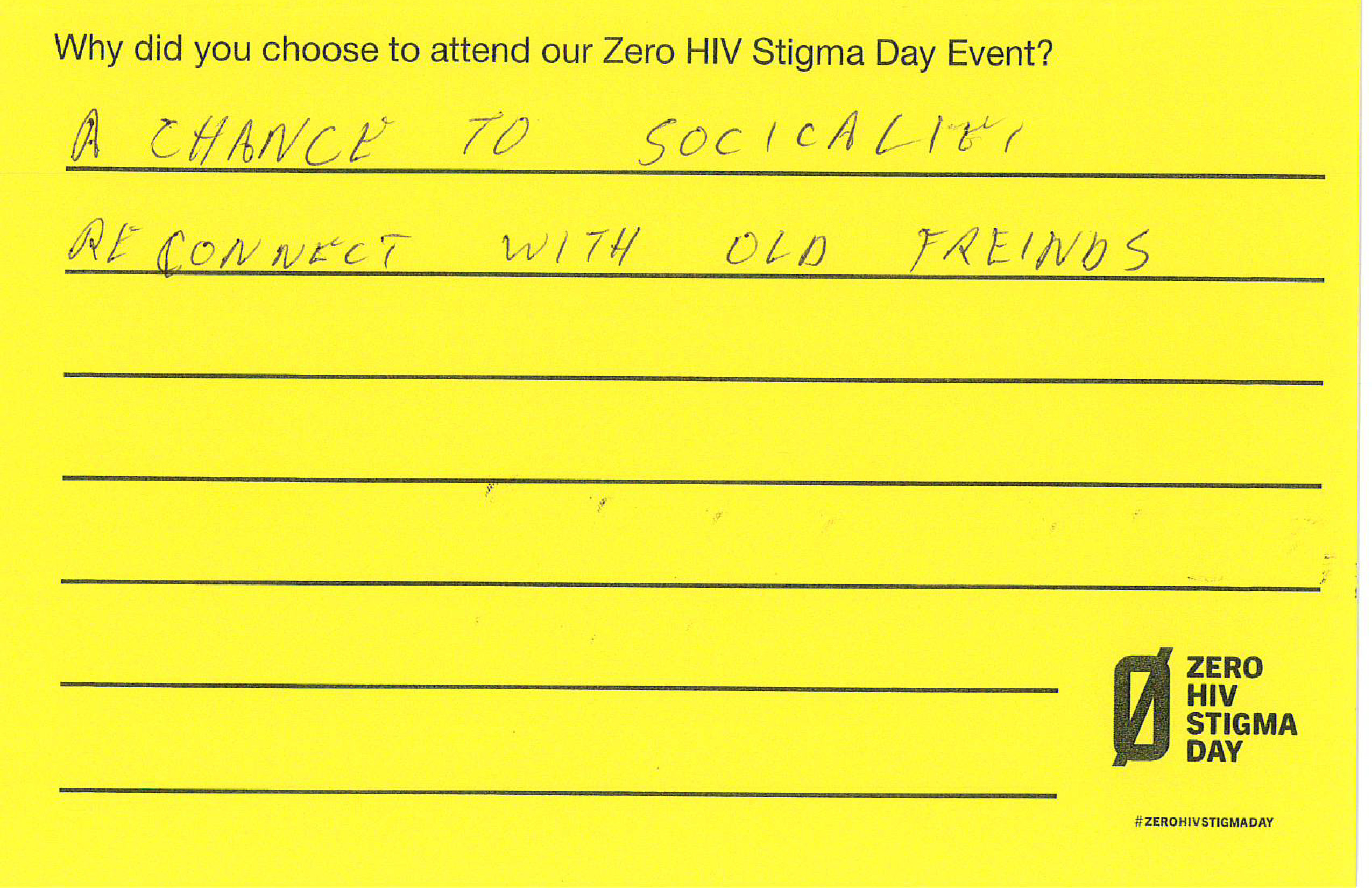
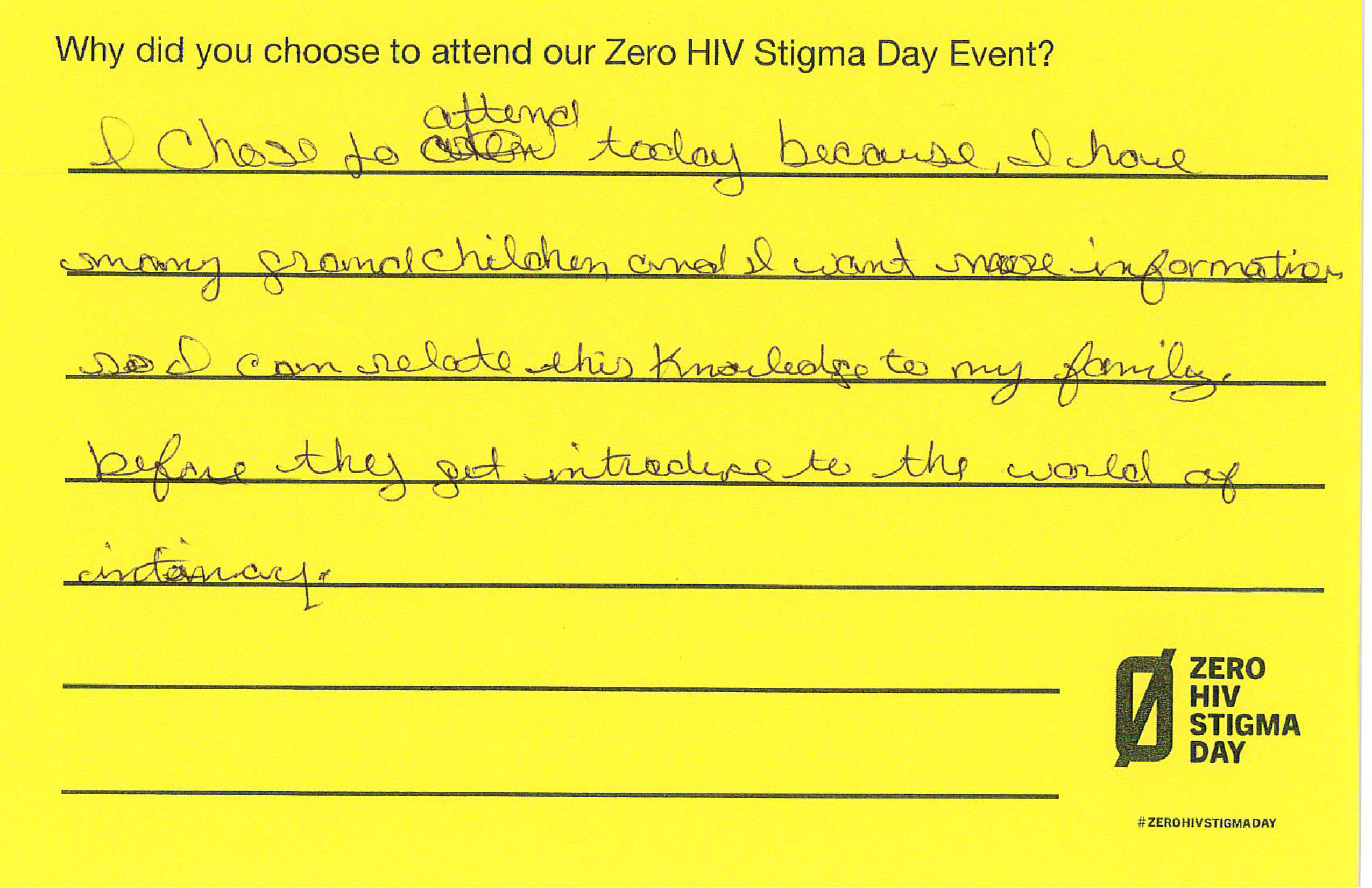
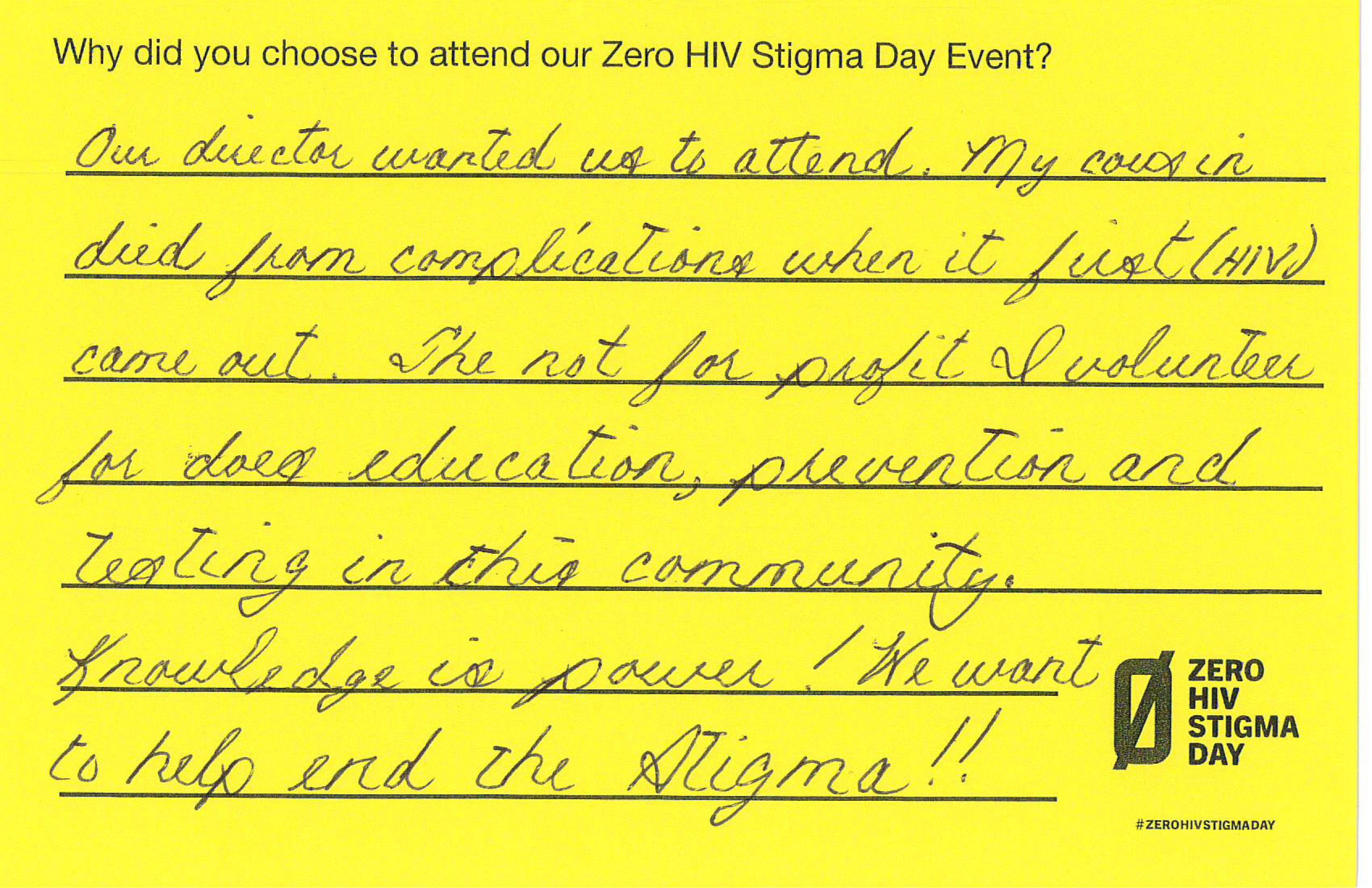
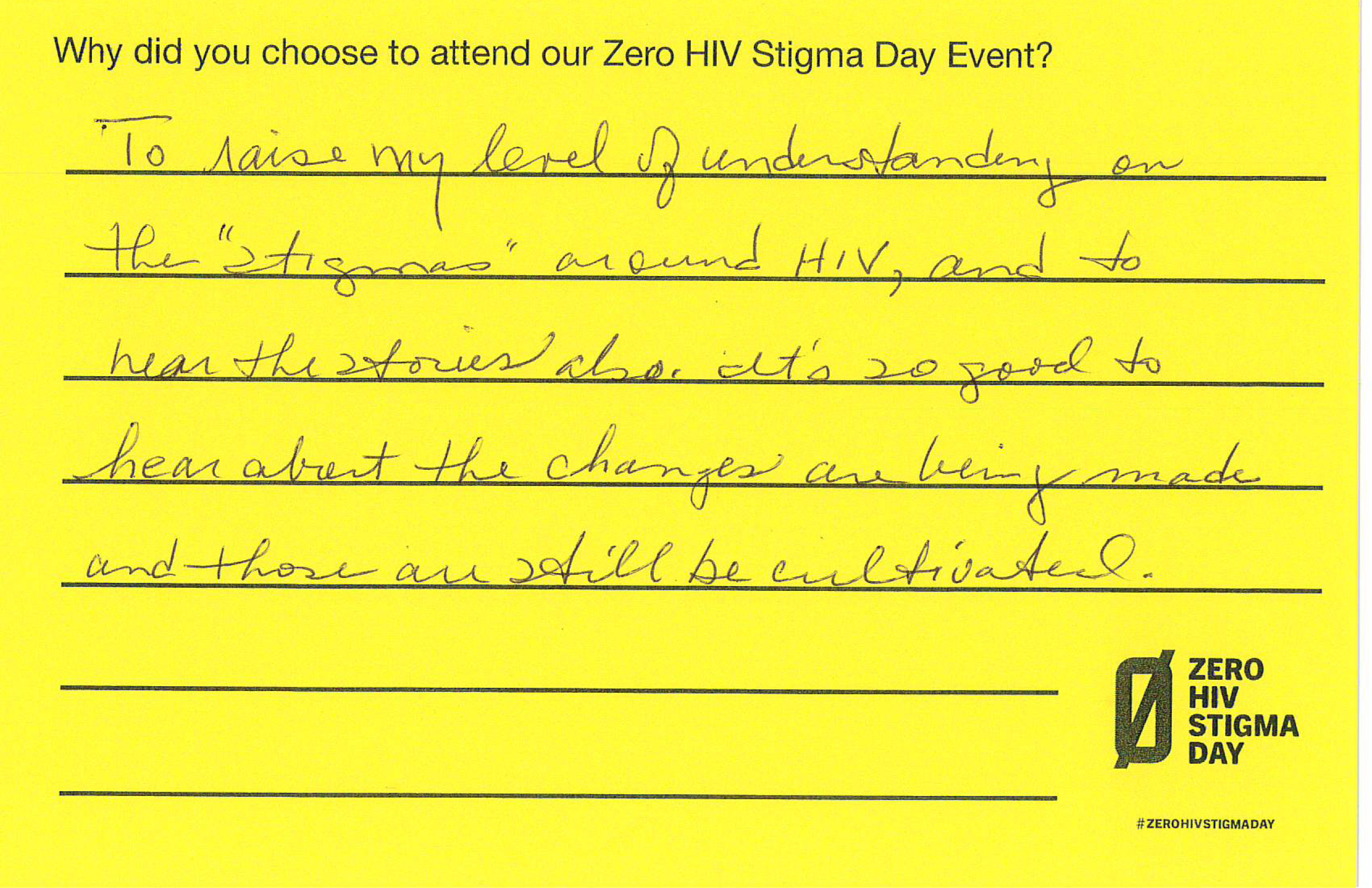
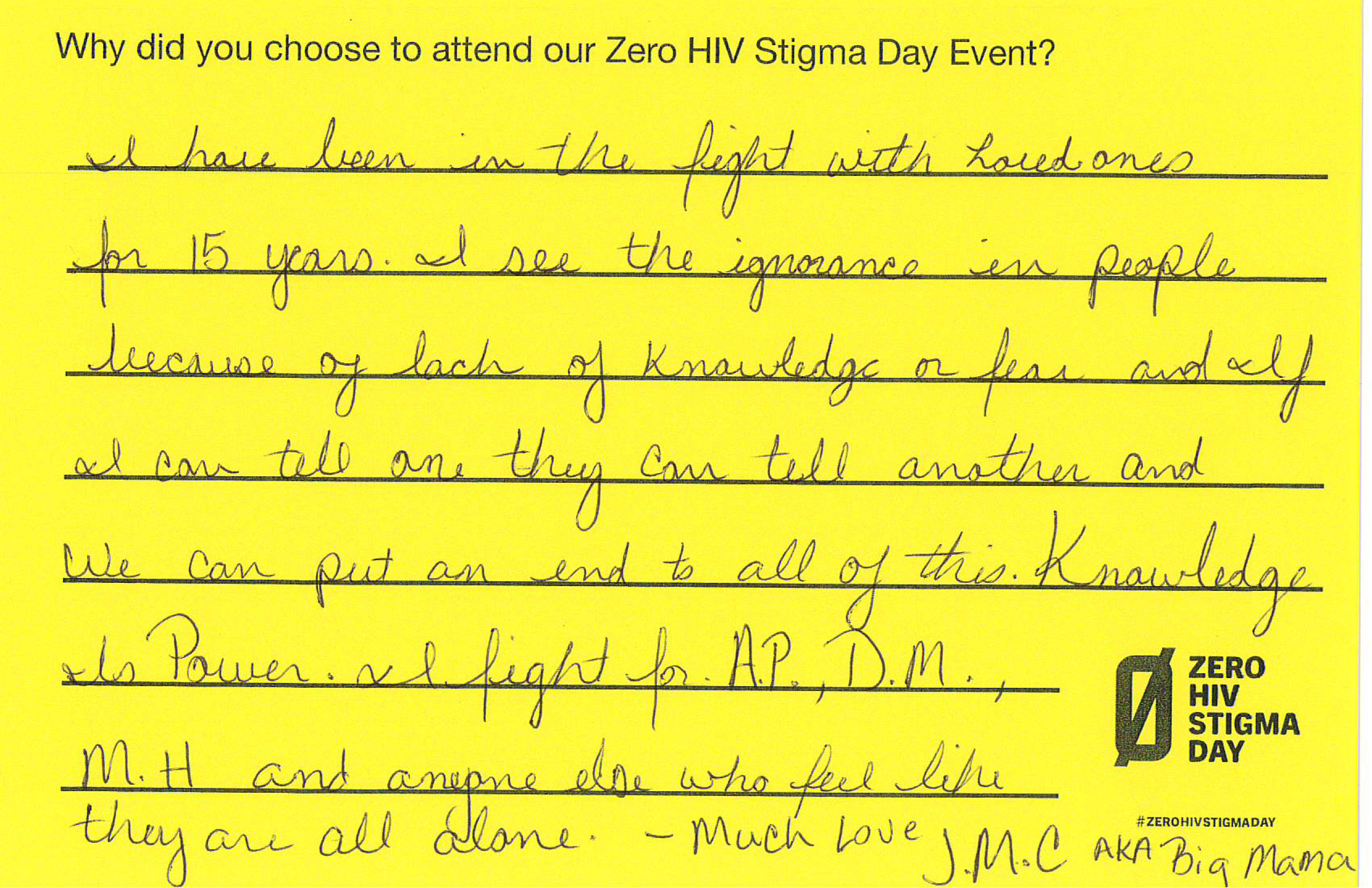
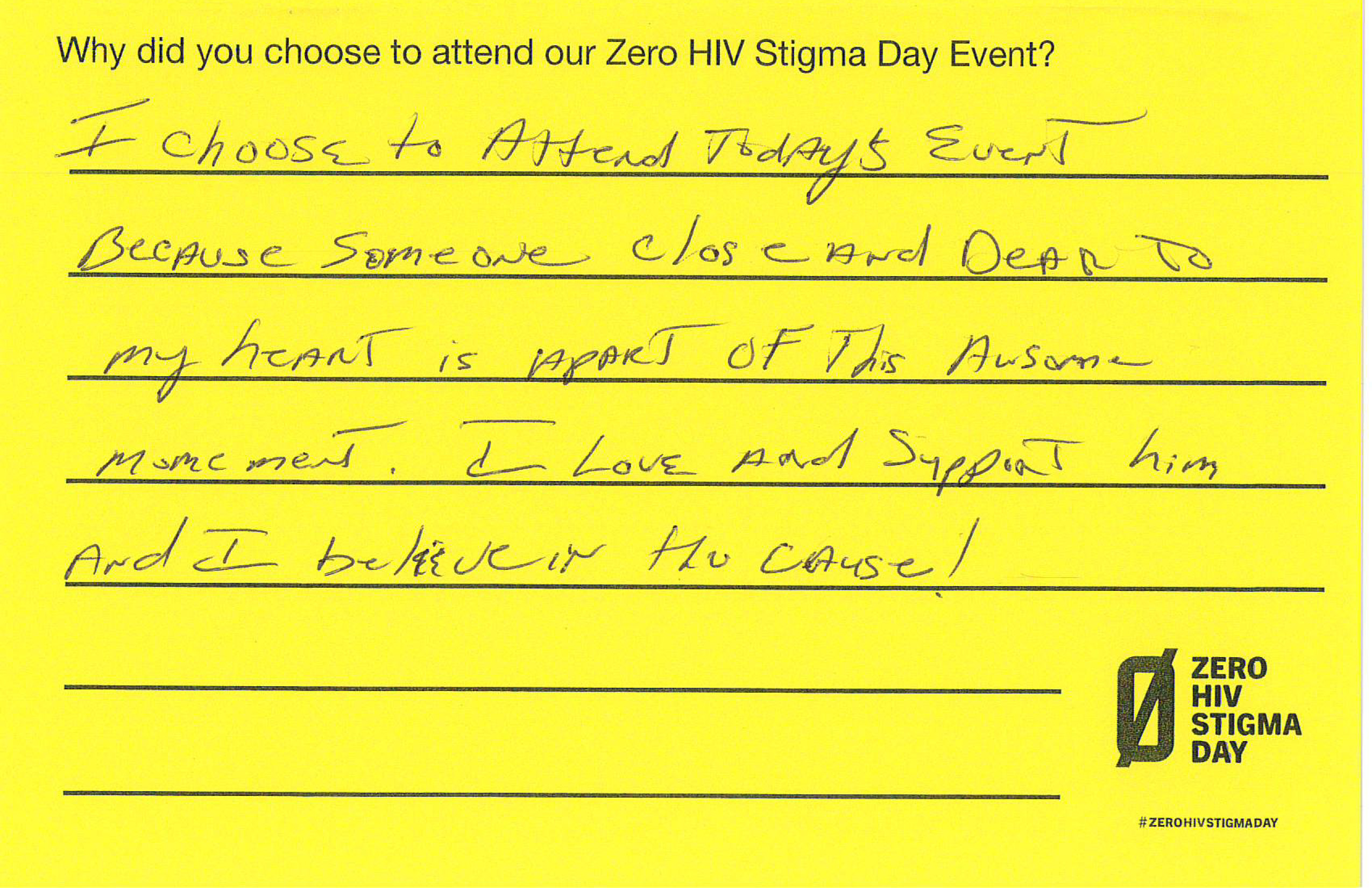
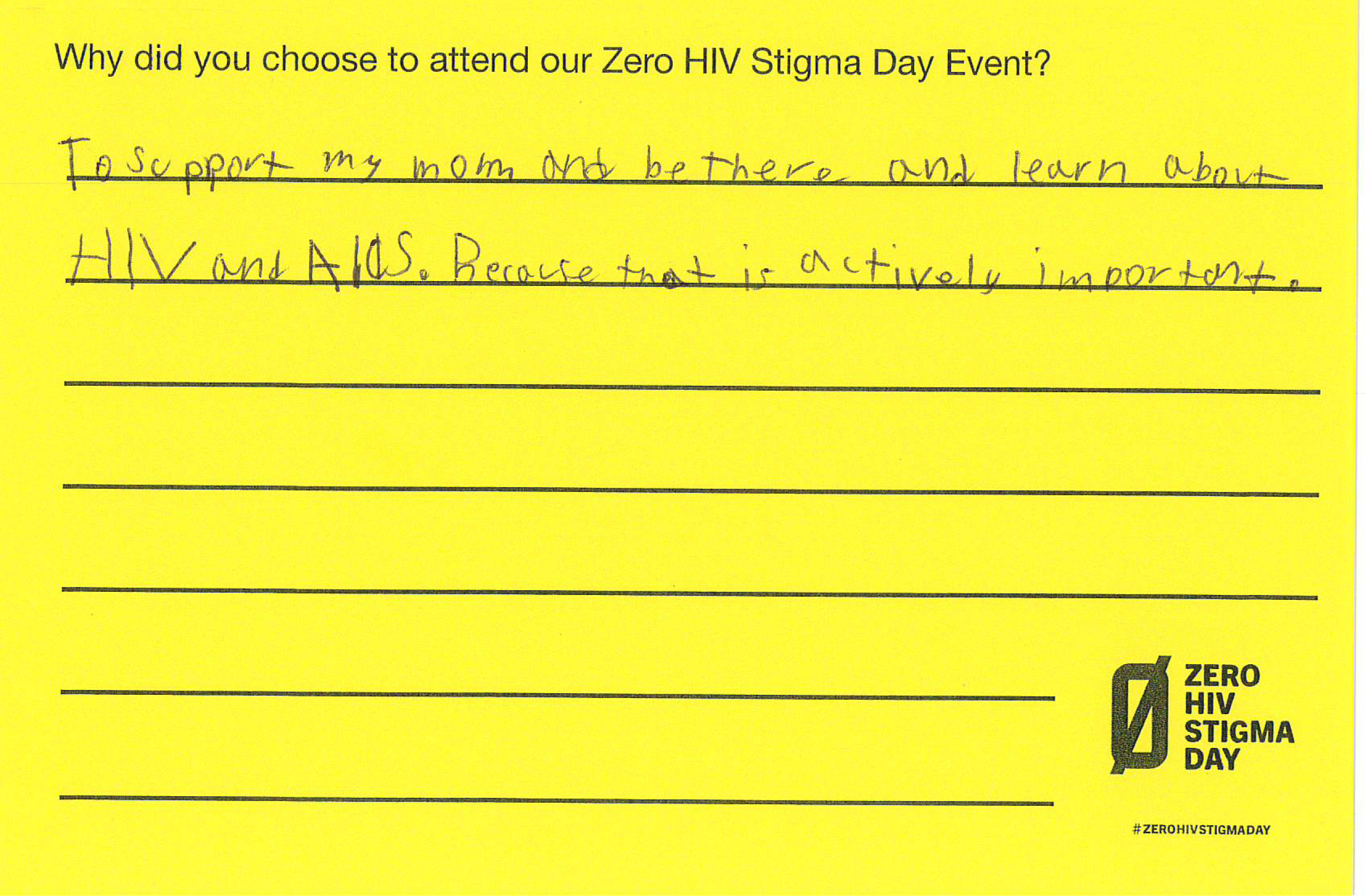
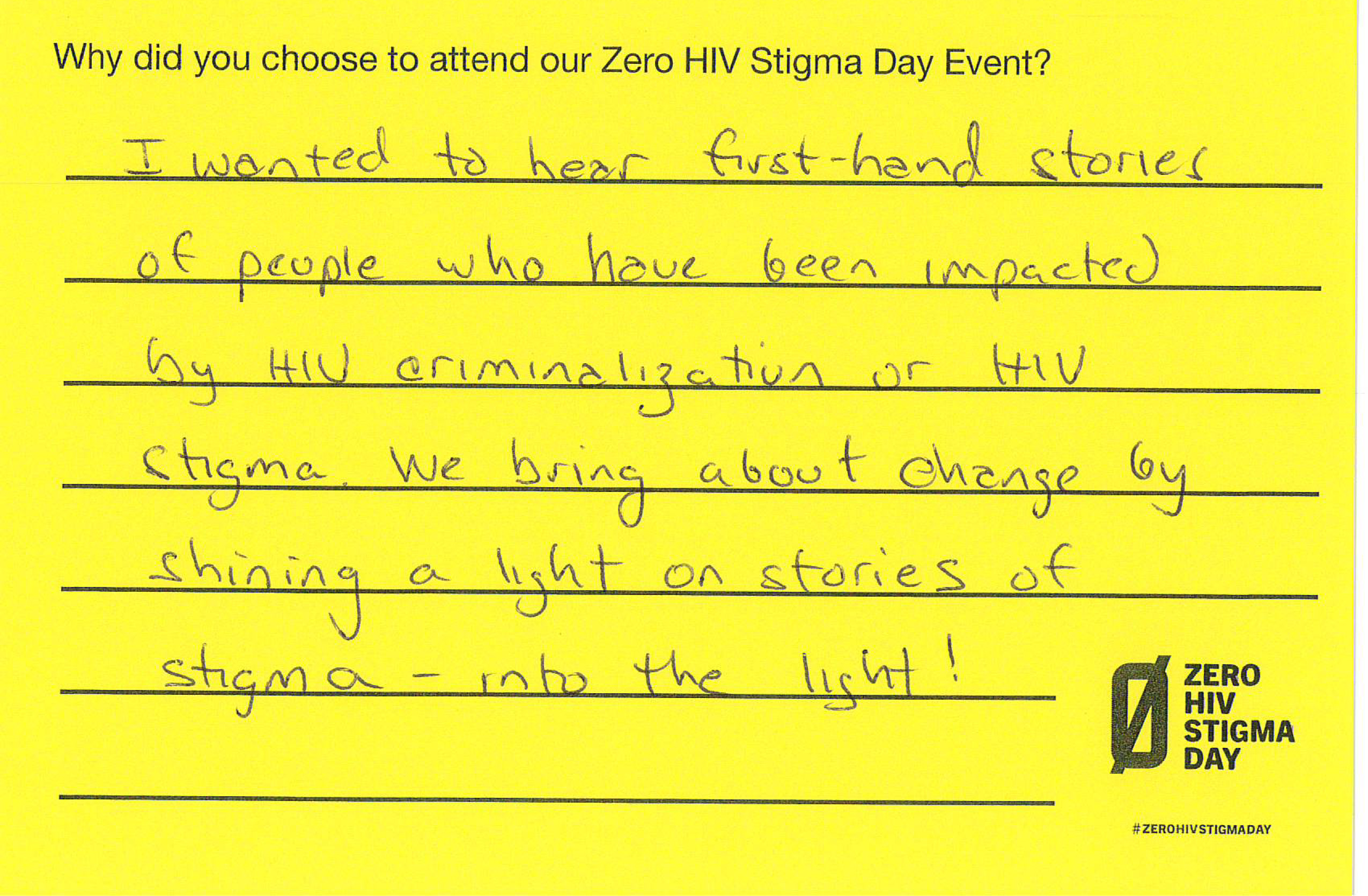
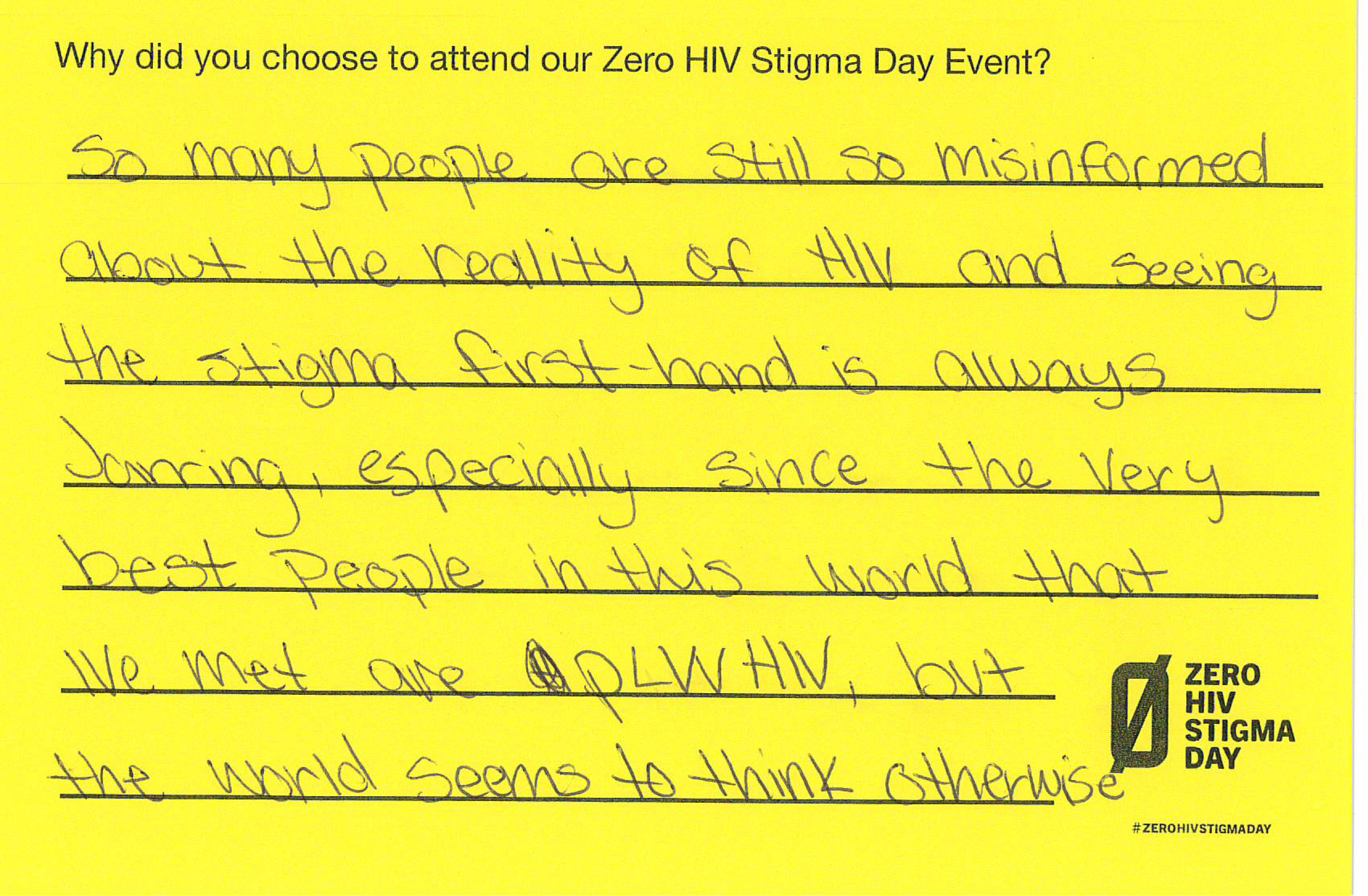
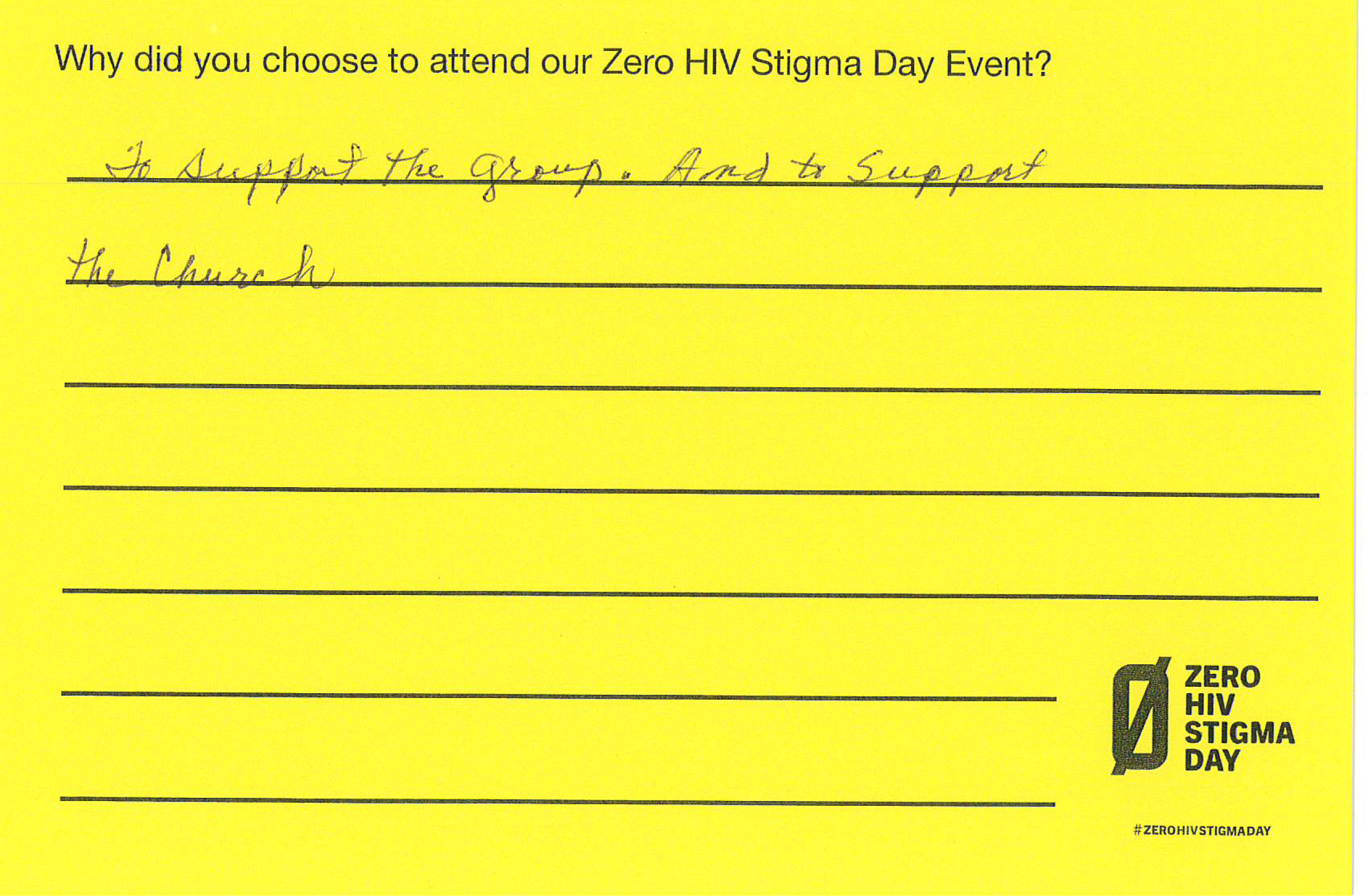
- Zero HIV Stigma Day Event – hosted by HIV Modernization Movement – Indiana. Learn why people attended the event through an online art intervention. Click here to learn more. (on or around July 21)
- UNITY – statewide HIV/STI/HepC Conference, hosted by IDOH (every other year in September)
- Indiana AIDS Walk– The annual Indiana AIDS Walk, held in the fall of each year, supports the Gregory R. Powers Direct Emergency Financial Assistance (DEFA) program. The Indiana AIDS Walk raises more than $175,000 to help Hoosiers living with HIV/AIDS pay for medication, transportation to and from doctor’s appointments, dental bills, rent and utility bills, and even food and clothing in emergencies. (September)
- Annual World AIDS Day Celebration hosted by Indianapolis Urban League’s (IUL) (on or around December 1)
Keep HOPE alive, give back & pay it forward! Volunteering matters.
Keep tellin’ the story
Professor Peacock



 The Magical Storybook of Professor Peacock