Shadow Play: A Pop-Up First Friday Event


Shadow PlayWhere bodies and cities meet in light and dark.

This exhibition brings together two queer artists who use shadow as both material and metaphor. Leslie Keith Shaw traces fleeting figures cast on sidewalks and streets, while Todd Fuqua creates digitally projected performances on the body itself. Together, their work transforms shadow into a space of queer joy, resistance, and play – blurring the line between public and intimate, concrete and flesh.


Finding Beauty in Unexpected Places

Art has always been a way to make sense of the world, to capture what might otherwise go unnoticed, and to transform struggle into something meaningful. For both artists featured in Shadow Play, creating images is not just about aesthetics. It is about survival, resilience, and finding joy where others might not think to look.

Leslie Keith Shaw has been making art in Indianapolis for more than two decades. His practice blends photography, scanography, and digital manipulation to transform everyday textures into vibrant, layered compositions. Sidewalk cracks, overlooked objects, and even items placed on a flatbed scanner become portals to hidden beauty. Living with HIV since 1987—a time when long-term survival was rarely imagined—Leslie approaches art as both sanctuary and celebration. Every piece is proof that life continues to hold mystery, meaning, and joy.

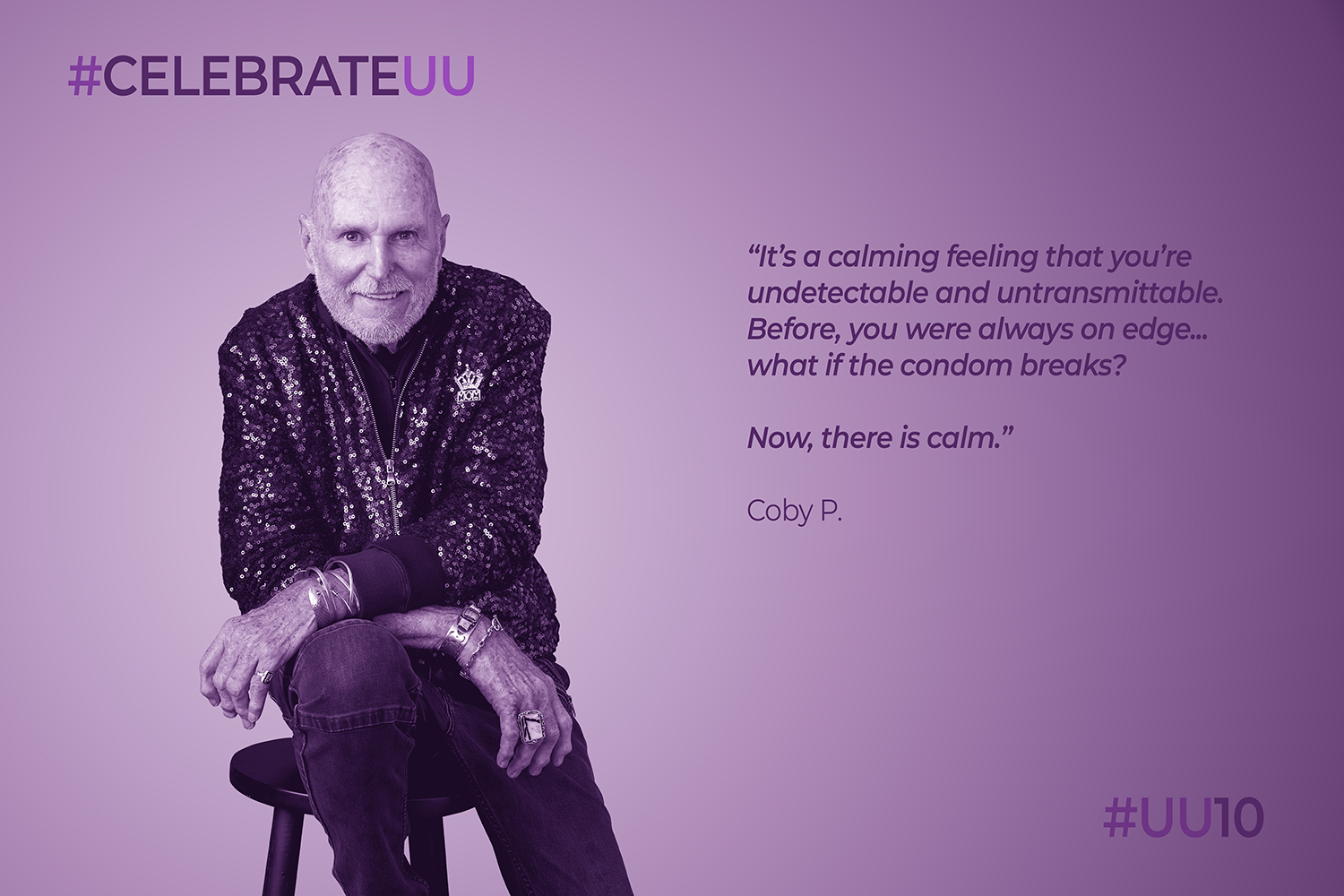
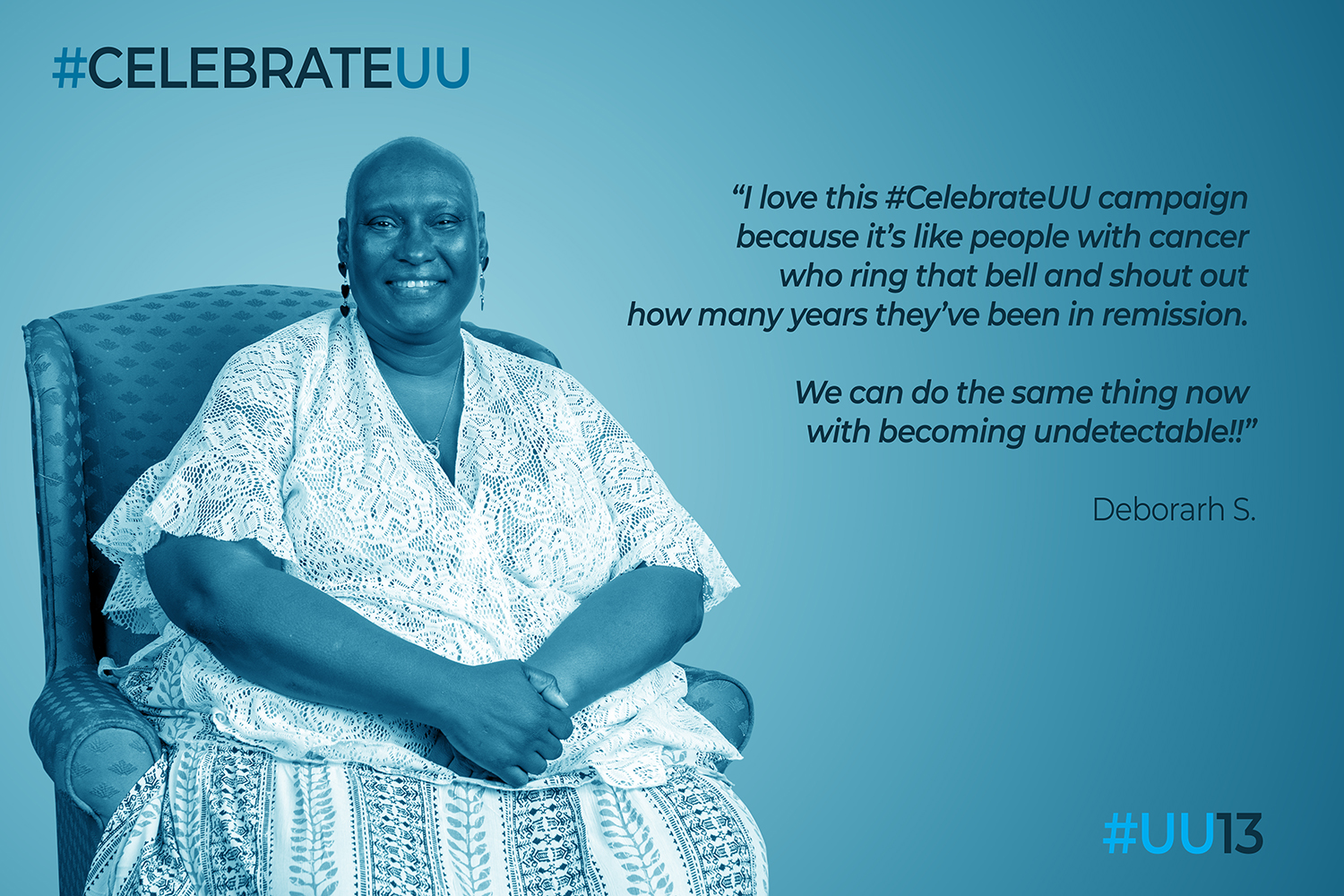
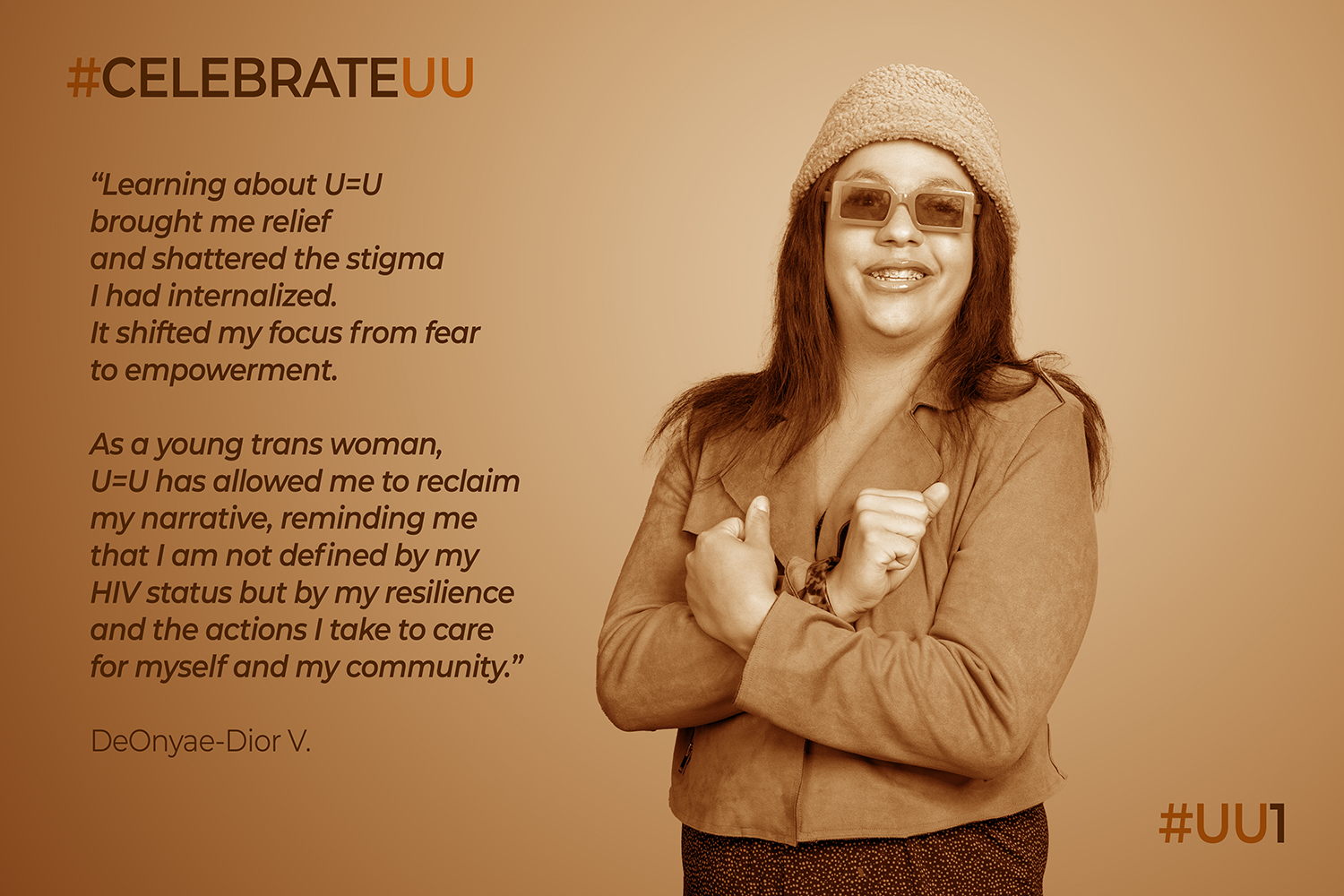
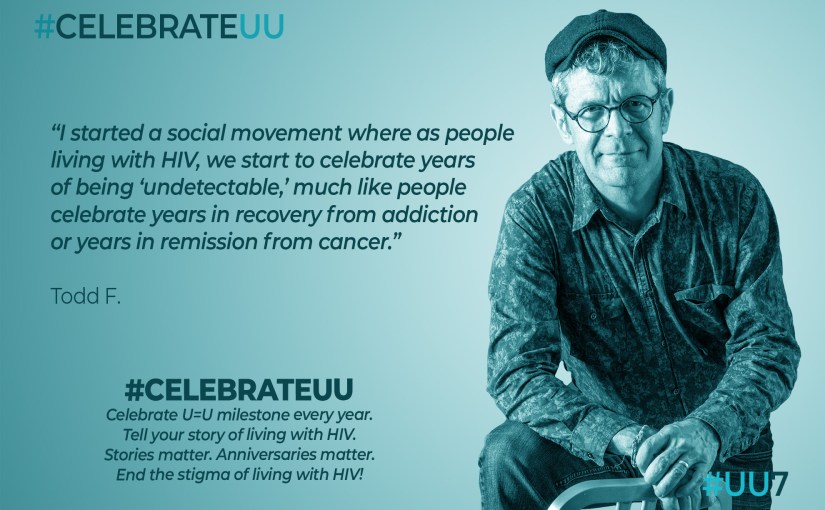
Todd Fuqua is a queer, non-binary photographer and visual storyteller based in Indianapolis who is also living with HIV. Their practice lives at the intersection of art and advocacy – what they call artivism. Through projects like #BLOOM, #CelebrateUU, and #ShadoWORK, Todd uses photography to explore identity, resilience, and liberation. Their imagery combines shadows, textures, and layered storytelling, with a strong emphasis on collaboration. Todd’s work challenges stigma, sparks dialogue about U=U and HIV criminalization, and celebrates the fullness of queer and marginalized lives.

What ties their practices together is a shared belief: that beauty and truth are always present, even if hidden at first glance. It could be a patch of sidewalk transformed into radiant abstraction. It could be a portrait layered with resilience and shadow. Both artists invite viewers to see differently. They encourage us to notice, to question, and to feel.

Together, their work affirms that art isn’t only about what is seen. It’s about what is discovered.


Call to Action

Join us for Shadow Play, a one-night pop-up exhibition on First Friday, October 4th, at 862 Virginia Avenue, Indianapolis. Step into an evening of light, shadow, and layered storytelling—an exploration of resilience, identity, and beauty in unexpected places. Don’t just see the art—experience the transformation.


Media Kit


FOR IMMEDIATE RELEASE

Shadow Play: Where Bodies and Cities Meet in Light and Dark
One-Night Pop-Up Exhibition | First Friday, October 3, 2025 | Indianapolis

Indianapolis, IN — This October, two Indianapolis-based queer artists will bring light, shadow, and layered storytelling to life in a one-night-only pop-up exhibition. Shadow Play opens Friday, October 3, 2025, at 862 Virginia Avenue (Mass Ave Knit Shop) in Fountain Square, as part of Indy’s First Friday gallery walk.

Shadow Play brings together the work of Leslie Keith Shaw and Todd Fuqua, two artists who use shadow as both material and metaphor. Shaw traces fleeting figures cast on sidewalks and streets, while Fuqua creates digitally projected performances on the body itself. Together, their practices transform shadow into a space of queer joy, resistance, and play – blurring the line between public and intimate, concrete and flesh.

For Shaw, who has been creating art in Indianapolis for more than two decades, overlooked textures – sidewalk cracks, discarded objects, even items placed on a scanner – become radiant abstractions. Diagnosed with HIV in 1987, Shaw’s practice is both sanctuary and celebration, proof that life continues to hold meaning, mystery, and joy.

Fuqua, a queer non-binary photographer and storyteller also living with HIV, works at the intersection of art and advocacy – what they call artivism. Through community-driven projects such as #BLOOM, #CelebrateUU, and #ShadoWORK, Fuqua layers photography, shadow, and texture to spark dialogue around stigma, resilience, and liberation.

What unites their work is a shared belief: that beauty & truth are always present, even if hidden at first glance. Whether drawn from the cracks of a city sidewalk or from the resilience etched on the human body, Shadow Play invites audiences to see differently—to notice, to question, to feel.


Event Details:

Shadow Play
First Friday, October 3, 2025
6:00 – 9:00 p.m.
Mass Ave Knit Shop: 862 Virginia Avenue, Indianapolis, IN 46203

Admission is free and open to the public.

The artists anticipate returning for November and December First Fridays, making Shadow Play an evolving installation across the fall season.

Press Contact:
C. Todd Fuqua
Email: todd@ctoddcreations.com | 317-847-1945
Event Website: https://bit.ly/ShadowPlayIndy
Media Kit: https://bit.ly/ShadowPlayMediaKit

I Didn’t Relapse. I Chose to Use.


I’ve never loved the word relapse.

In abstinence-based recovery, it gets thrown around like a scarlet letter. Relapse means you failed. Relapse means you’re “back out there.” Relapse means you’ve lost your chip, your clean time, your credibility. It’s all-or-nothing, black-and-white, success-or-failure.

But here’s the thing: life isn’t black and white. And neither is recovery.

That’s where harm reduction has been such a gift to me. Instead of demanding perfection, it allows me to ask a more useful question: How can I reduce harm, no matter what choices I make?

When “Relapse” Becomes a Roadblock

The problem with calling it a relapse is the shame that follows. That shame can be louder than the actual use itself. I could spend a weekend beating myself up, convincing myself that I’ve ruined everything, that I should just give up. And ironically, that shame spiral is more likely to push me into more use – not less.

When I think about my own journey, relapse just doesn’t fit. Sometimes, yes, I make a choice that doesn’t line up with my intentions or my values. Sometimes I pick up something I’ve been avoiding. But that doesn’t mean I’ve suddenly undone all the progress I’ve made or that I’m back at zero. It means I made a choice – sometimes a healthier choice, sometimes a riskier one.

Harm reduction flips that on its head. It says: You’re still here. You’re still worthy. Let’s talk about what happened without judgment.

A Different Kind of Honesty

I want to be able to say:

  • “I chose to use because I was hurting.”
  • “I made a decision that didn’t line up with my values, and I want to unpack why.”
  • “I was stressed and slipped into an old pattern, but I’m not starting over at zero.”

That kind of honesty matters. Not because it excuses risky choices, but because it makes space to talk about them without fear. The real danger isn’t the choice itself. It’s the silence that stigma creates.

Words Like Overdose Don’t Always Fit Either

Even the language around risk needs reframing. “Overdose” implies I took too much. But often, the truth is scarier: I didn’t take what I thought I was taking at all. I may have signed up to use meth, but I didn’t sign up to smoke fentanyl. That’s not “overdoing it” – that’s contamination in a poisoned drug supply.

When we keep using the old language, we keep reinforcing old narratives: that the problem is the person, not the system. But if we reframe it, we see the truth. The real problem is unsafe supplies, criminalization, and a lack of support.

Moving Forward Without Shame

So I’ve stopped saying relapse. I’ve started saying: I chose to use.

That doesn’t make the choice “good” or “bad.” It just makes it mine. It keeps me honest without putting me in the box of failure. And it leaves room for growth, for reflection, for harm reduction.

I’m not back at square one. I’m still on the path. And maybe that’s the point: recovery, or whatever we want to call this messy, human process, isn’t about perfection. It’s about progress. It’s about staying alive. It’s about learning to meet ourselves where we are—without shame, without silence, and without that old, heavy word: relapse.

Keep tellin’ the story.
Professor Peacock

Note: These are my thoughts and my story. I used AI to make helpful edits to my ramblings and online journaling, including some organization to be more blog-friendly. AI created the featured image used in my blog.

Understanding the Emotional Impact of an HIV Diagnosis


“It took me nine years to really begin processing my diagnosis.”

When I was first diagnosed with HIV, I didn’t fully grasp how traumatic that moment was. I understood the medical facts, but what I didn’t understand was the grief – the dreams I thought I lost, the fear of stigma, and the quiet loneliness that followed me for years.

It took me nine years to finally begin dealing with my diagnosis. Nine years before I let myself acknowledge the loss, the shame, and the resilience I would need to rebuild my life. Looking back, I can’t help but feel that the system failed me—or at least, it could have done better.

We don’t just need medical care after a diagnosis. We need mental health care too.

Imagine if, six months after someone tests positive, their care coordinator or peer HIV navigator sat down with them for a simple mental health screening. Not a rushed checklist, but a real conversation. A chance to ask: How are you coping? What’s hardest for you right now? Where are you finding strength, and where do you need support?

I recently used a tool that reminded me how powerful those questions can be. It’s a simple worksheet that invites people living with HIV to reflect on different areas of life: identity, health, stigma, relationships, hope, and emotional wellbeing. In a support group, we each scored ourselves, shared our highs and lows, and talked about what mattered most. The therapeutic value was extraordinary – not because of the paper itself, but because of the way it opened space for one person to help another. HT to Robin who helped author this tool.

That’s why I want to share this tool, not as a solution in itself, but as a conversation starter. It can be used by providers, peer navigators, or anyone supporting people living with HIV. It creates an opening to talk about the emotional journey, not just the lab results.

For me, it shouldn’t take nine years to reach that point. If we build mental health check-ins into HIV care – whether at six months, a year, or whenever someone is ready – we can help people grieve, heal, and find resilience much earlier.

Because living with HIV is not just about managing a virus. It’s about reclaiming hope, rebuilding purpose, and reminding people: you are more than your diagnosis.

Keep tellin’ the story,

Professor Peacock

Note: These are my thoughts and my story. I used AI to make helpful edits to my ramblings and online journaling, including some organization to be more blog-friendly. AI created the featured image used in my blog.