Relapse Fantasy


Content note: This piece includes discussion or imagery tied to sex, substance use, and erotic imagery. It may be activating for readers with addiction histories around sex, substances, or stigma. Please take care while reading.

I picked up some art today from Magpie’s First Friday exhibition. February’s theme was The Dark Side of Love. I had submitted a piece titled “Nothing Bad Happened.”

For March, the theme is HOOKED: An Exploration of Addiction.

As someone in recovery from chemsex addiction, I hesitated to submit something. The shadow does not disappear just because behavior changes. It shows up in memory, in intimacy, in fantasy.

Addiction has been described as a thinking disease. My instinct is to outrun the thoughts or distract myself. My therapist tells me to sit with them instead.

Relapse Fantasy came from doing exactly that.

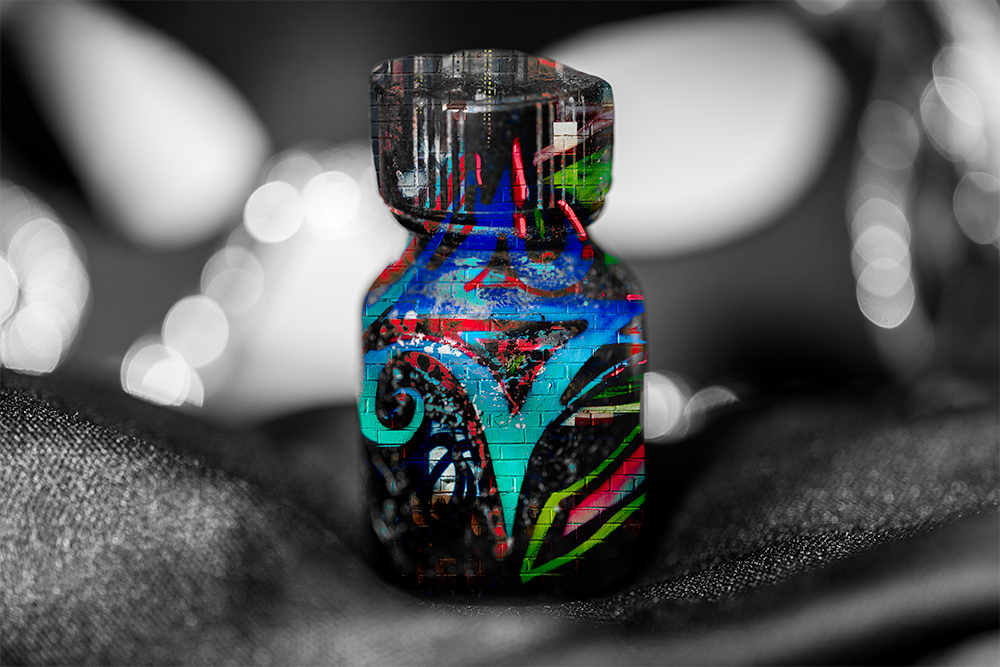
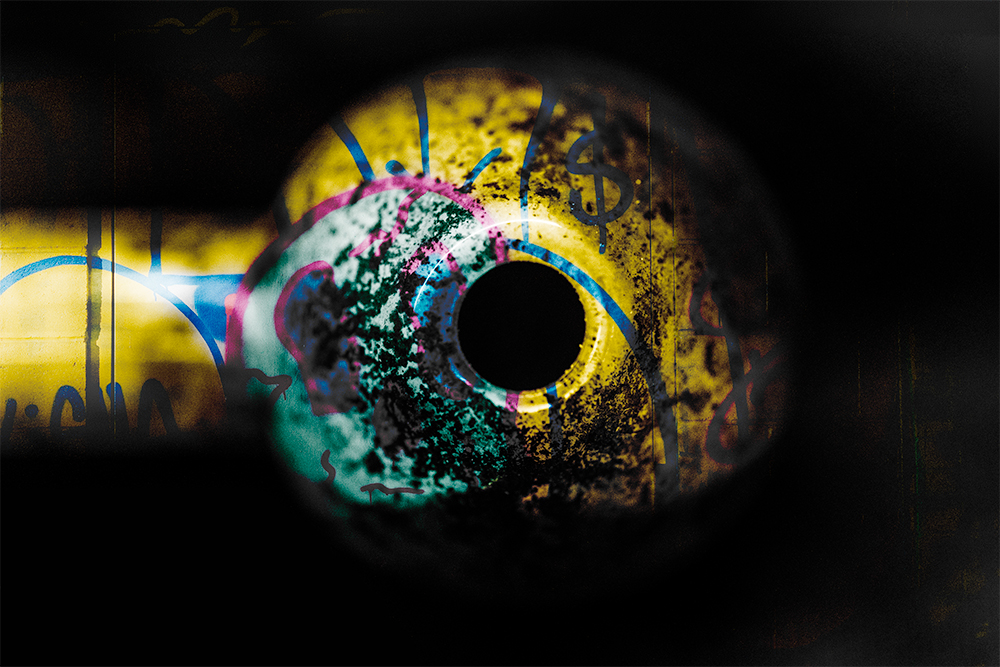
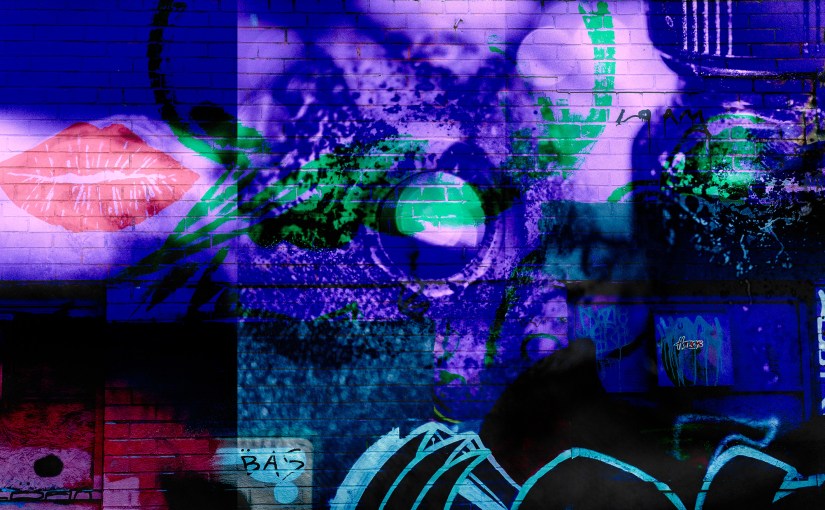
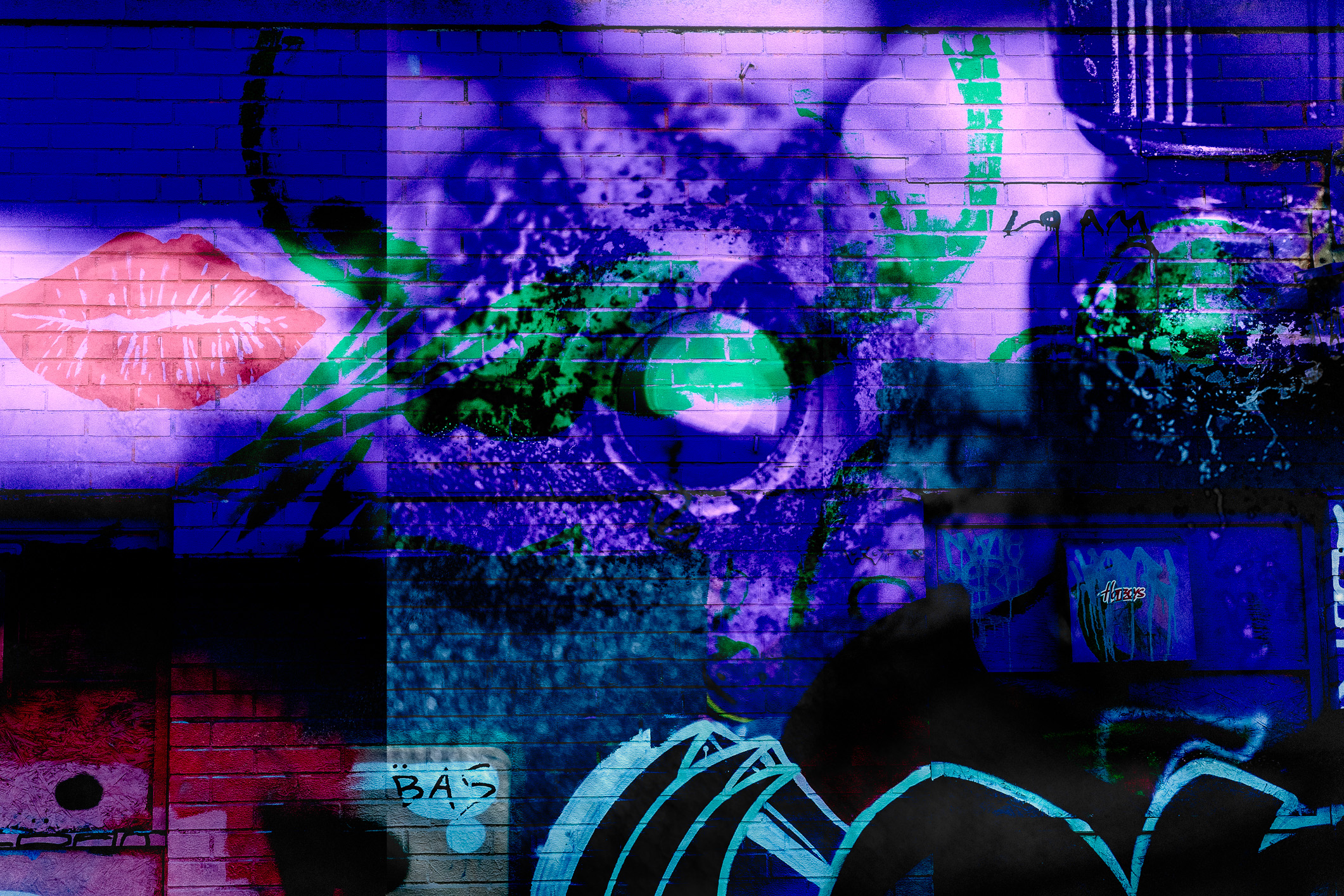
Relapse does not start with using. It starts in imagination. In a flicker of memory. In a sensory echo. Rather than pushing those thoughts away, I photographed them.

These images are not about returning to old behavior. They are about recognizing the moment before it begins. They are about interrupting the cycle in real time.

My work may not sell. That isn’t the measure. For me, creating it is part of staying accountable. I am in recovery, and this work is part of how I maintain it.

“I am being called to take care of myself in a new way.” ~ AB

Relapse Fantasy

Exhibition Statement

Artist Statement – Relapse Fantasy

Relapse doesn’t begin with action. It begins with a story I tell myself.

Chemsex addiction fuses sex and stimulant use in a way that rewires the brain’s reward and attachment systems. Dopamine begins to feel like intimacy. Intensity begins to feel like connection. The brain remembers that pairing long after behavior changes, and it can make the fantasy sound almost reasonable.

Relapse Fantasy explores that negotiation with the brain — the moment when pleasure tilts toward compulsion, when “just a taste” sounds logical, when repetition disguises itself as ritual and obsession passes for desire.

I’ve stood inside that logic.

I’m not documenting use. I’m documenting the sales pitch.

As someone navigating recovery in real time, I make this work to externalize the thought before it becomes behavior. The fantasy isn’t neutral. It’s persuasive. Naming it is how I interrupt it.

Chemsex is not only an individual struggle. It reflects how quickly intimacy and intensity become entangled in queer culture in ways we rarely name out loud.

If this work resonates uncomfortably, that’s okay. Discomfort can be information.

If this work resonates with your own experience, I encourage you to seek support. You do not have to navigate it alone. If you are struggling with addiction, support is available at 988 (https://988lifeline.org/) or local recovery services (Indianapolis resources).

Keep tellin’ the story,

Professor Peacock

Note: These are my thoughts and my story. I used AI to make helpful edits to my ramblings and online journaling, including some organization to be more blog-friendly. Images are photographed and manipulated by me.
U=U, Ten Years Later: What the Science Settled and the World Still Hasn’t


I learned about U=U in 2019.

Not in 2016 when the message officially launched. Not at the beginning. I learned about it three years later, when the science was already clear and the evidence overwhelming. And what struck me immediately wasn’t the data. It was the disconnect.

Doctors had the science.
The world hadn’t caught up.

People living with HIV are still being treated as dangerous. Still criminalized. Still framed as a problem to manage rather than people to respect. The science says something radical and simple. Undetectable equals untransmittable. Zero risk. Full stop. But culture, law, and everyday beliefs are still operating on fear.

That gap changed me.

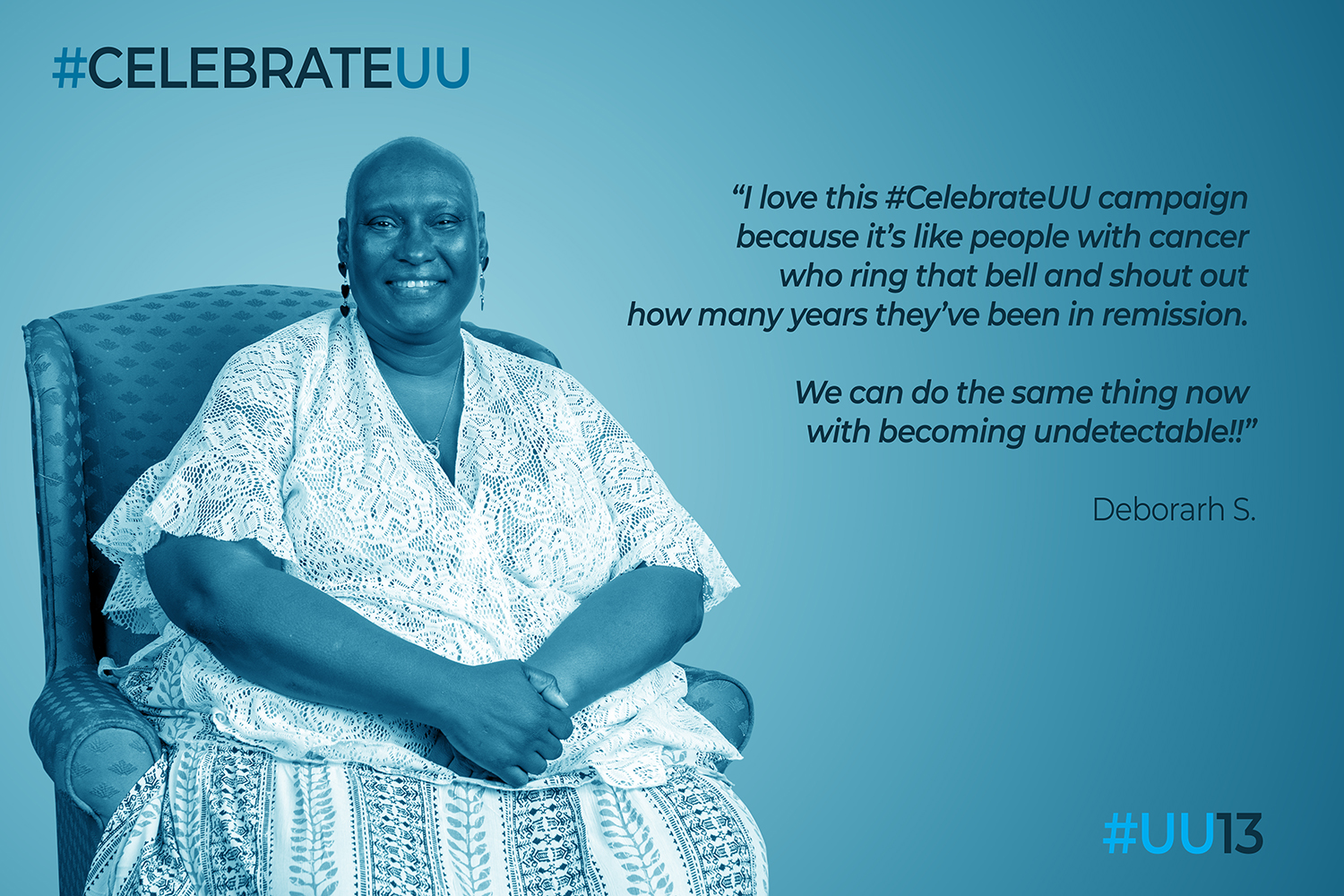
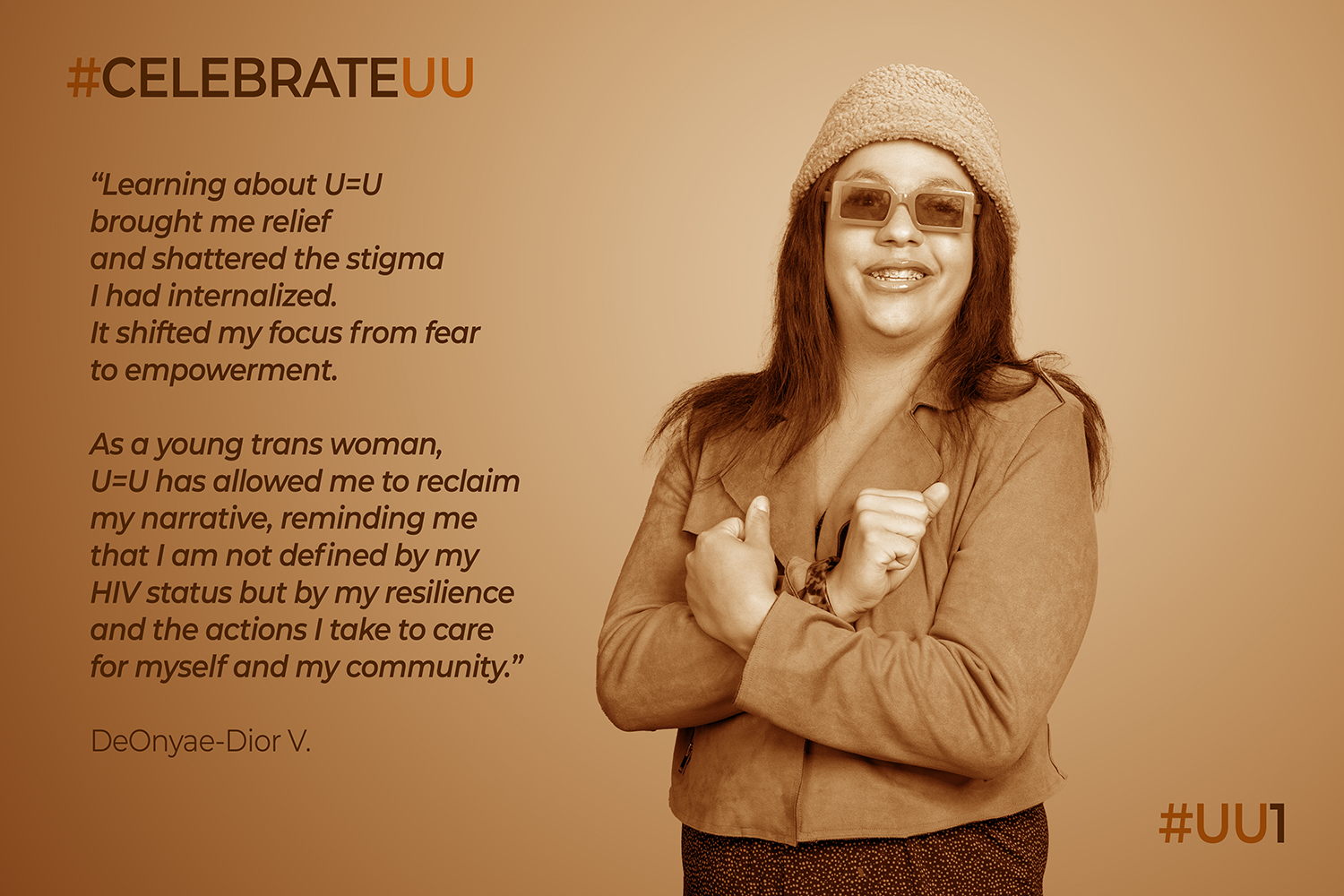
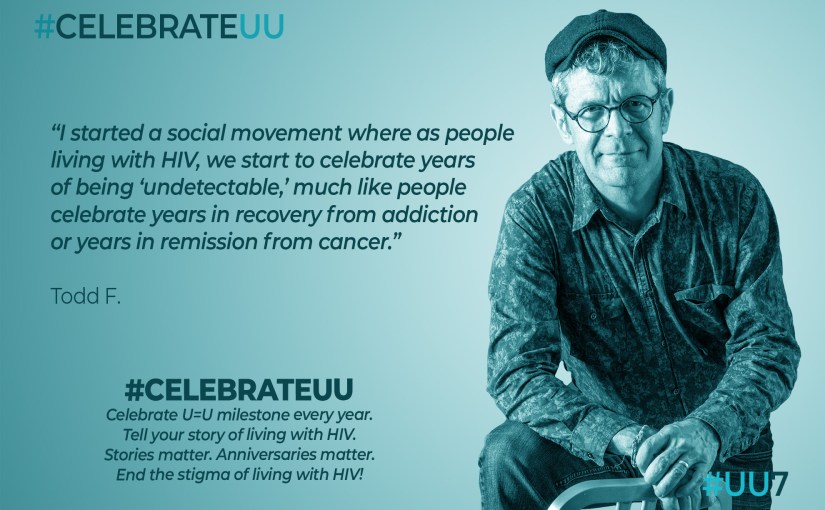
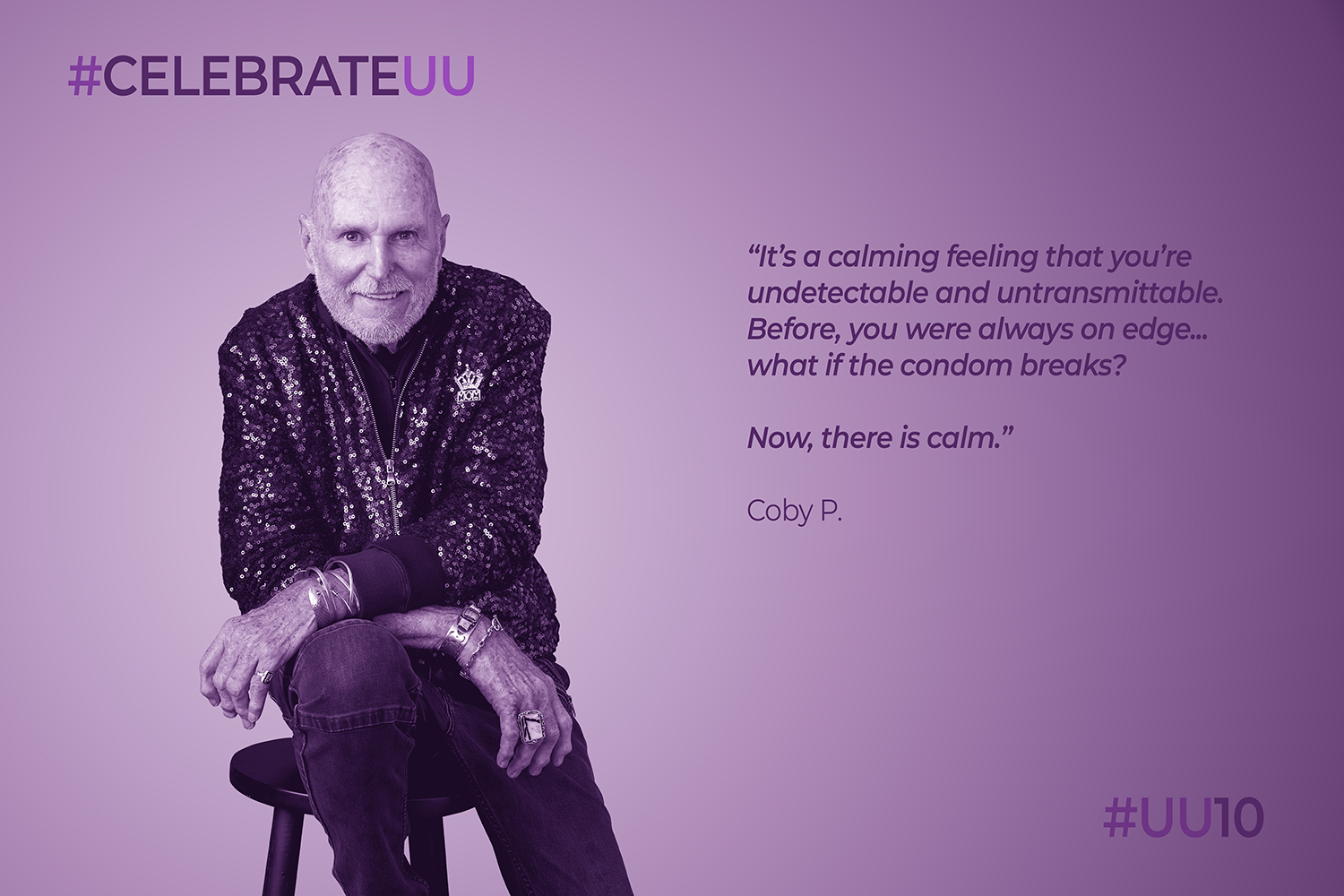
Later that year, I launched #CelebrateUU, not as an education campaign, but as a visibility project. I didn’t want to explain U=U. I wanted people to see it. Real people. Real faces. Real intimacy. Because stigma doesn’t dissolve through statistics alone. It dissolves when humanity becomes undeniable.

Over the years, I’ve watched U=U do incredible things.

When people receive clear, confident U=U information, it changes how they see themselves. It restores sexual confidence. It reframes treatment from obligation to empowerment. It opens the door to honesty, joy, and possibility. In clinical settings where providers speak clearly and without hedging, trust grows. Fear recedes. People breathe again.

But ten years in, it’s also clear where U=U hasn’t gone far enough.

U=U didn’t fail. But its impact has been uneven because belief spread slower than evidence.

Too many providers still hedge.
Too many public messages flatten U=U into a slogan.
Too many rural and marginalized communities are left behind.
Too many laws still treat people with HIV as a risk, not as people living with a managed condition.

And in the middle of this, a real and complicated concern has emerged. The fear that U=U creates a viral divide.

That concern deserves honesty, not avoidance.

A person’s value is not determined by viral load. Full stop. When someone can’t reach viral suppression, that is very often a failure of systems, not individuals. Housing instability. Mental health. Poverty. Trauma. Access gaps. Stigma itself. These are not personal shortcomings. They are structural barriers.

And the vast majority of people who are not virally suppressed still care deeply about preventing transmission. They take precautions. They disclose. They navigate risk thoughtfully and responsibly, often with far less support than they deserve.

But here’s the hard truth we can’t avoid.

Fear of creating a viral divide cannot be used to weaken or hide settled science.

The answer to inequity is not diluting the truth. It’s fixing the systems that keep people from benefiting from it. When we hedge U=U out of discomfort, we don’t protect people. We reinforce stigma. Worse, we create space for bad policy.

This matters because stigma doesn’t just live in attitudes. It lives in law.

U=U exposes how outdated HIV criminalization laws are, but science alone doesn’t repeal bad laws. When institutions hedge on U=U, they reinforce the idea that people with HIV are inherently dangerous, and that shows up in courtrooms, sentencing, and statutes.

In recent years, my work has shifted toward implementation. Grounded in U=U University, which clearly defines the science, I’ve focused on the question that ten years of U=U now demands: What happens after awareness?

Knowing the science is not the same as practicing it. When providers hesitate, when systems stay silent, stigma survives. And patients pay the price.

If a provider can’t explain U=U clearly, confidently, and consistently, then the promise of U=U remains theoretical for the people who need it most.

Ten years later, U=U has proven what’s medically possible. The virus can be rendered untransmittable. Fear no longer belongs in the science.

The work now is alignment.

Aligning healthcare with evidence.
Aligning law with reality.
Aligning public messaging with dignity.

Until our systems behave as if they believe what the science already tells us, U=U remains true, but its promise isn’t fully realized.

And that’s where the next decade begins.

USCHA reminded me: gratitude is how we honor the fight, and responsibility is how we continue it!


What USCHA Taught Me About Legacy and Belonging

This was my first USCHA (US Conference on HIV/AIDS), and I wasn’t ready for it. I’ve been to HINAC (HIV Is Not a Crime) and AIDS Watch each twice, but this was different. There’s a magic at USCHA that gets under your skin.

I travelled to USCHA as part of NMAC’s 50+ Cohort, joining others like me from around the country who are aging and living with HIV. I’m grateful for the experience and the connections I made.

I’m 57. I’ve been living with HIV for 13 years. That’s my place in the timeline. Not better, not worse – just mine. But when I saw the decades of HIV/AIDS laid out at the Friday plenary, the science, the struggle, the survival – it cracked something open in me. For the first time, I felt the weight of what it means to be a long-term survivor. And I also knew that wasn’t me.

I came along after protease inhibitors, after HAART reshaped the fight. When I was diagnosed in 2012, my doctor told me, “The guidance is changing. We used to tell people to wait. Now we recommend you start treatment right away.” He still gave me the option – that’s how new it was. I didn’t understand then how historic that moment was. I do now.

In the 80s, I was a teenager. In the 90s, I was climbing the corporate ladder, coming out of the closet, largely disconnected from my community. By the time I came out, the epidemic wasn’t invisible anymore, but it was still tearing through our communities. The mid-90s would become the deadliest years. And while that grief was swallowing a generation, I was safe in my bubble, largely untouched, largely unaware. That’s the part that haunts me. The loss I didn’t live. The fire I didn’t feel.

So no – I don’t carry the same survivor’s guilt as those who were told they would die and somehow lived. My guilt is different. It’s the guilt of surviving in a post-HAART world, of being shielded by privilege, of waking up to a history I wasn’t part of, but which shaped everything around me.

At USCHA, no one made me feel like an outsider. But I did. I think people at USCHA saw me at 57 and assume I’m a long-term survivor. I’m not. I’m someone aging with HIV, without that same story. That difference is mine to wrestle with.

And yet, USCHA gave me clarity. It gave me a way to honor what came before me and what is still unfolding now. Because just as I look back in gratitude, I also look forward, knowing that those who come of age in the U=U and PrEP era will have their own place in history, too.

To say USCHA was “life-changing” sounds cliché. But this was something deeper. A reckoning. A reminder that every place in the timeline matters, including mine. And for that – for the people who came before me, for the community that still carries me forward – I am deeply grateful.

Keep telling the story,

Professor Peacock

Note: These are my thoughts and my story. I used AI to make helpful edits to my ramblings and online journaling.