
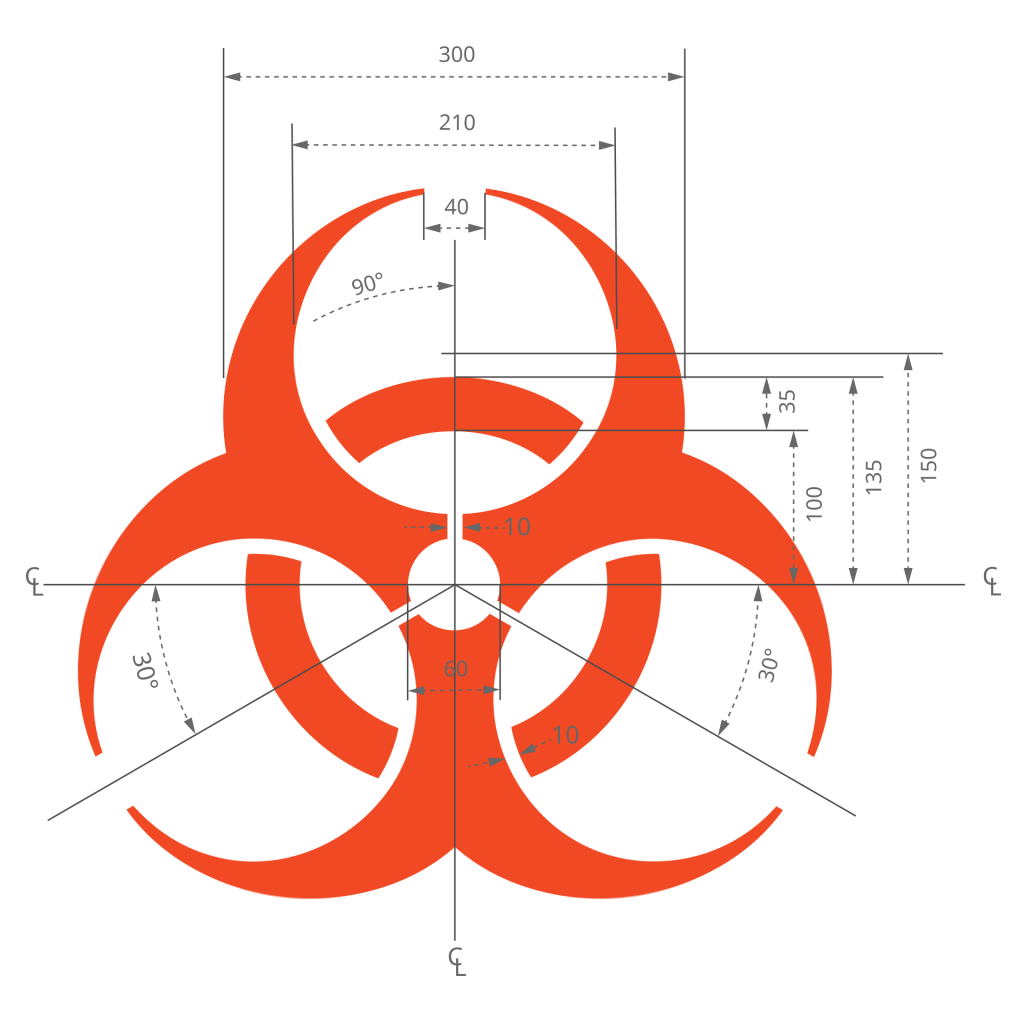
Jim McKeeth • CC BY-SA 4.0
Content note: This piece references sexual role-play, kink dynamics, humiliation language, and HIV-related stigma. It may be activating for readers with trauma histories around sex, power, or medical stigma. Please take care while reading.
I had a hookup recently that was mostly good, a little scary, and unexpectedly clarifying. He is 55 so from the same generation as me. That matters for what came next.
There was kink. Some bondage. Some power play. Some things that pushed my edges in ways that felt exciting. And then there was a moment that landed wrong in my body in a way I couldn’t ignore.
At some point, he noticed the U=U sticker on the back of my phone. In the middle of the scene, he asked if I was HIV negative or undetectable. I answered honestly. Undetectable.
He shared that he was HIV negative. And then, woven into the role-play, he started using language about me being “toxic.” He asked who made me that way. He asked if I had ever “converted” anyone.
I want to be clear. I’m not opposed to fantasy. I’m not fragile about sex talk. I can hold a lot of words in a consensual space. But something about that language stopped me cold.
“Toxic” wasn’t hot. It wasn’t edgy. It felt old. It felt like fear dressed up as kink.
I found myself wondering why the details mattered. Who passed it on to me. The idea of “conversion.” The implication that my body was dangerous. Even in a fantasy, those words don’t live in a vacuum.
I said no. Gently. We moved on. The role play continued. And on paper, nothing bad happened.
And yet, something shifted for me.
I realized I had just discovered a new hard limit, one I didn’t know I needed until it was crossed. I’m still sitting with why that is. Part of me feels surprised by my own reaction. Part of me feels steadied by it.
As someone who does HIV advocacy work, I spend a lot of time talking about science, stigma, and criminalization in public spaces. I’m used to explaining. I’m used to educating. I wasn’t prepared for how jarring it would feel to have those same stories show up in a private, sexual space without warning.
This isn’t about blaming someone or calling them out. It’s about noticing the gap between what we think we understand about HIV and the stories that still surface underneath in intimate spaces. Even among people who believe they are informed. Even in spaces that see themselves as sex-positive.
I don’t have a neat takeaway yet. What I have is awareness. And a clearer sense of what I am not willing to eroticize, even in play.
For now, that feels like enough.
I also know this will find its way back into my art. That’s how I process. I feel my way through my body first, then let the images come later. There will likely be a new layered piece around sex, sexual harm, and the complicated space between pleasure and injury. Around recovery, healing, and growth that isn’t linear or clean.
This experience will be part of that. Not as a reenactment, but as an imprint. The lessons I’m taking with me. The sensations that stayed in my body after the night ended. The parts I’m still listening to.
That last part will be the hardest. And it’s the one I trust the most.
Keep telling the story.
Professor Peacock

 The Magical Storybook of Professor Peacock
