Body Positivity in Art: A New Project on Sexual Wellness


#CelebrateUU – Looking Ahead

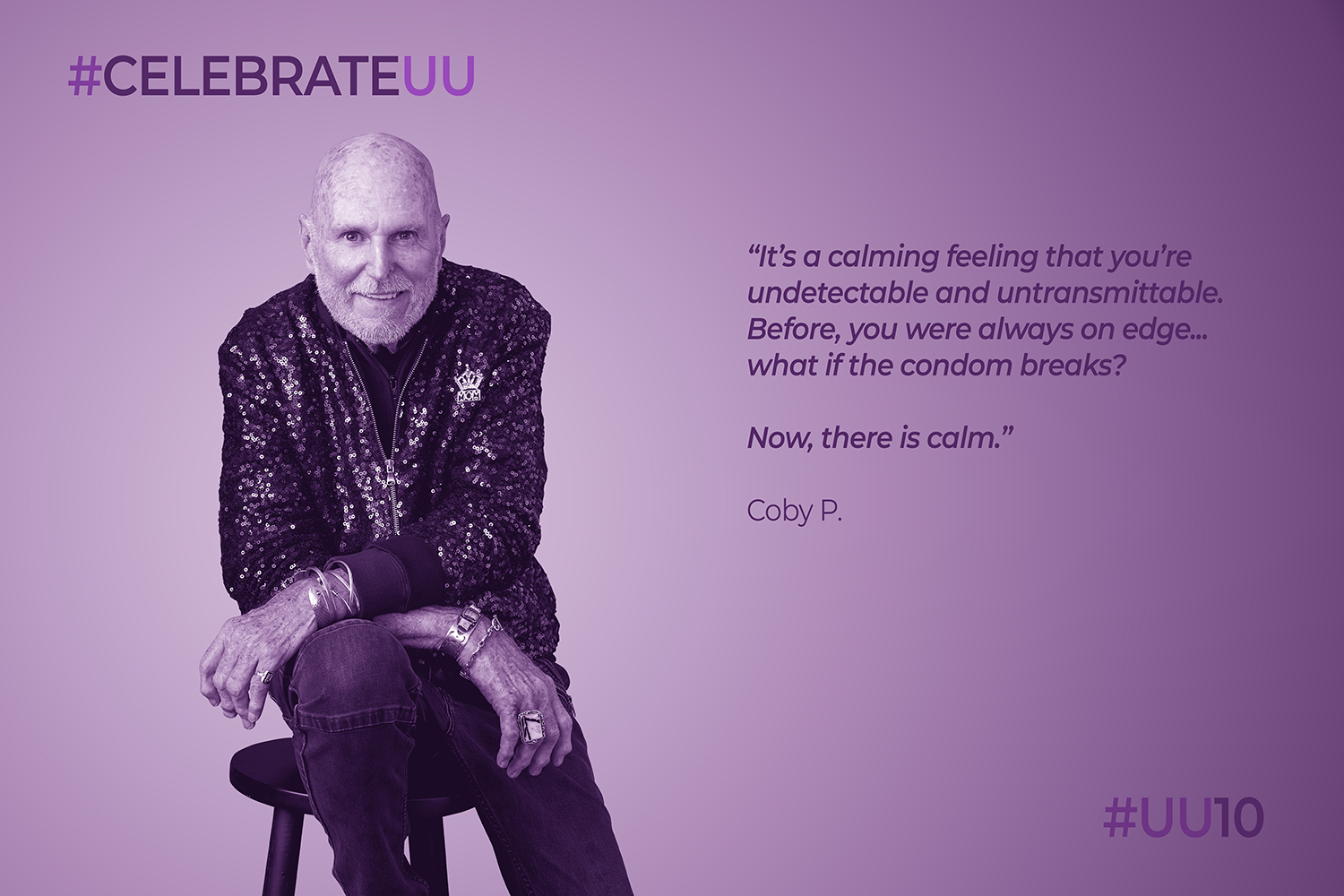
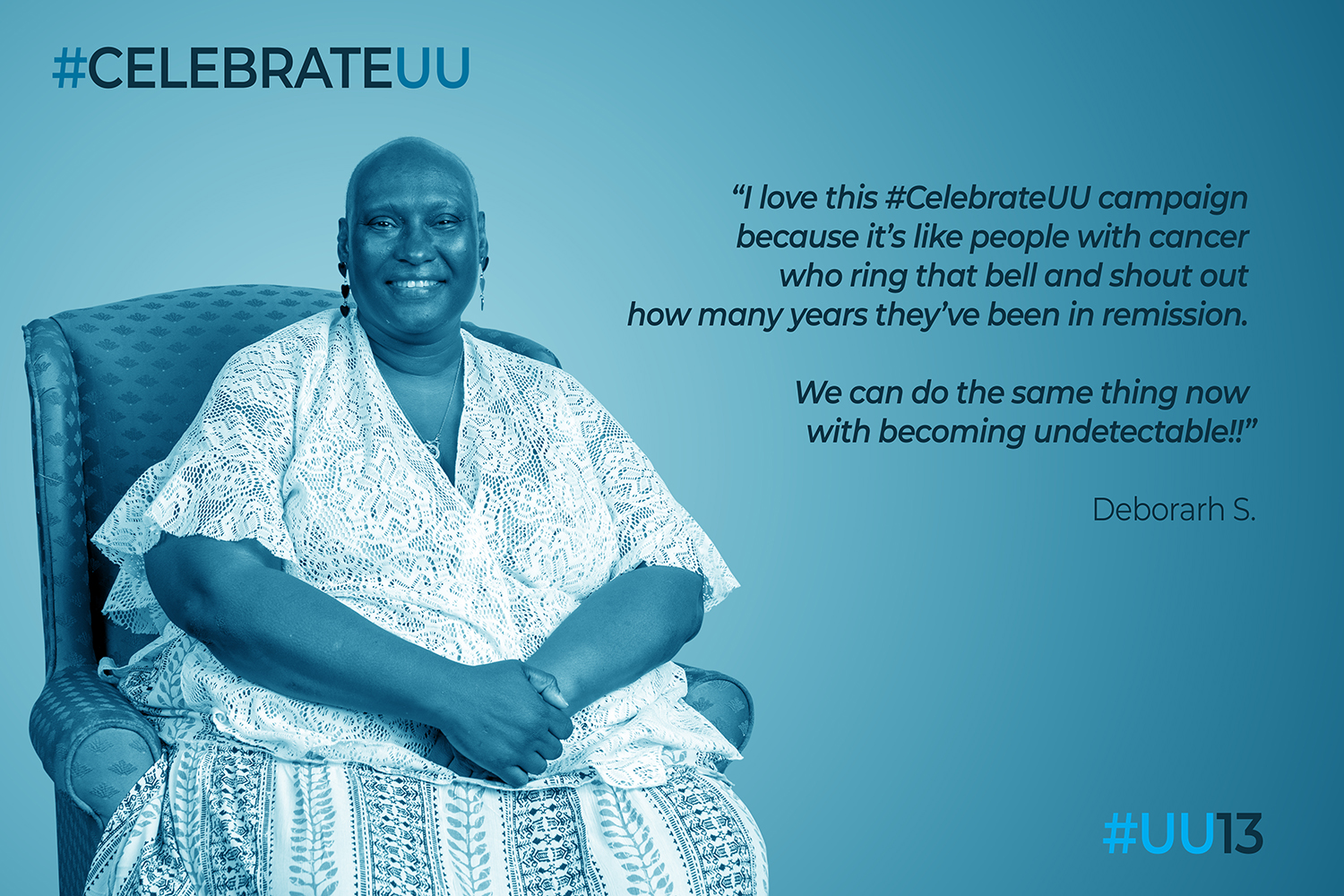
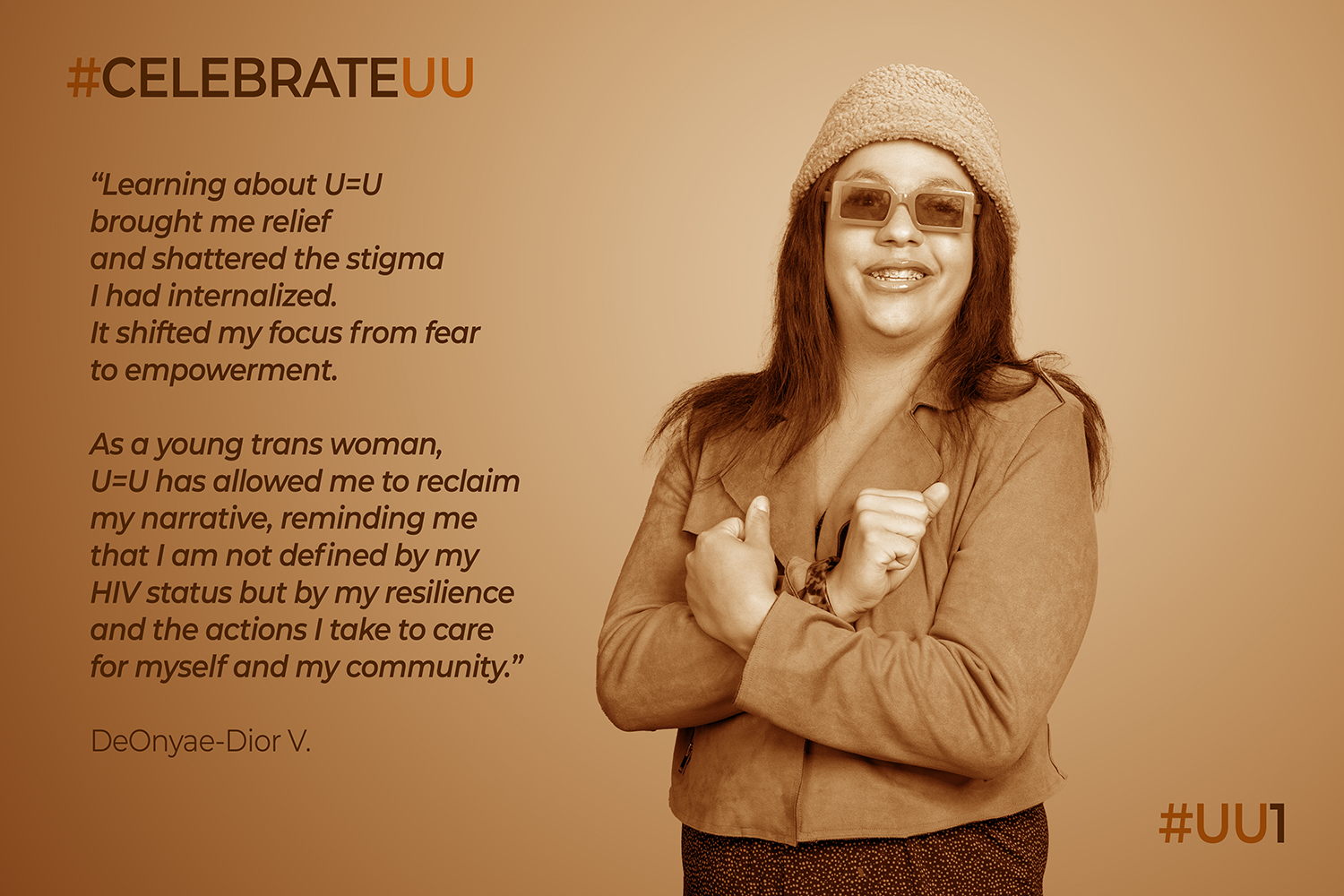
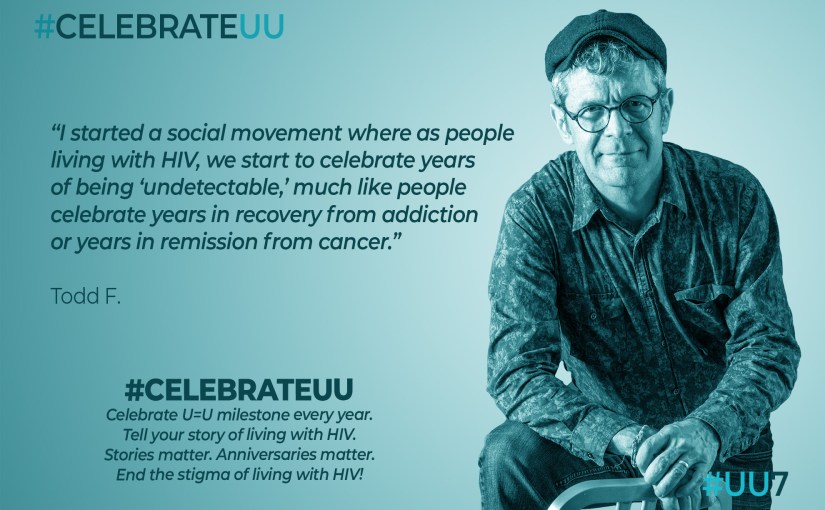
Since 2019, I’ve been increasingly involved in bringing #CelebrateUU to life. When I first came up with the idea of celebrating #CelebrateUU anniversaries, I had no idea it would grow to a citywide exhibition. It’s a #BigMagic moment, from a book I read about the creative life (Big Magic, by Elizabeth Gilbert). I’ve learned to go with my creative flow, investing the time and energy, then seeing how far the Universe wants to me take the idea.

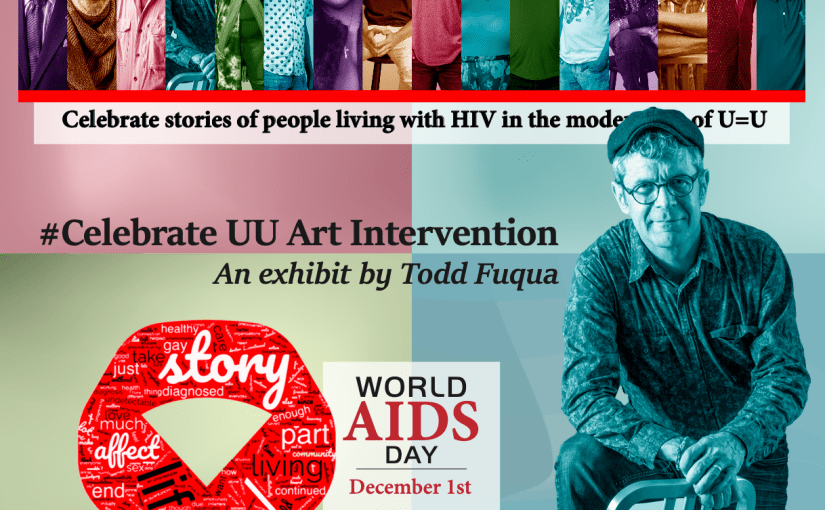
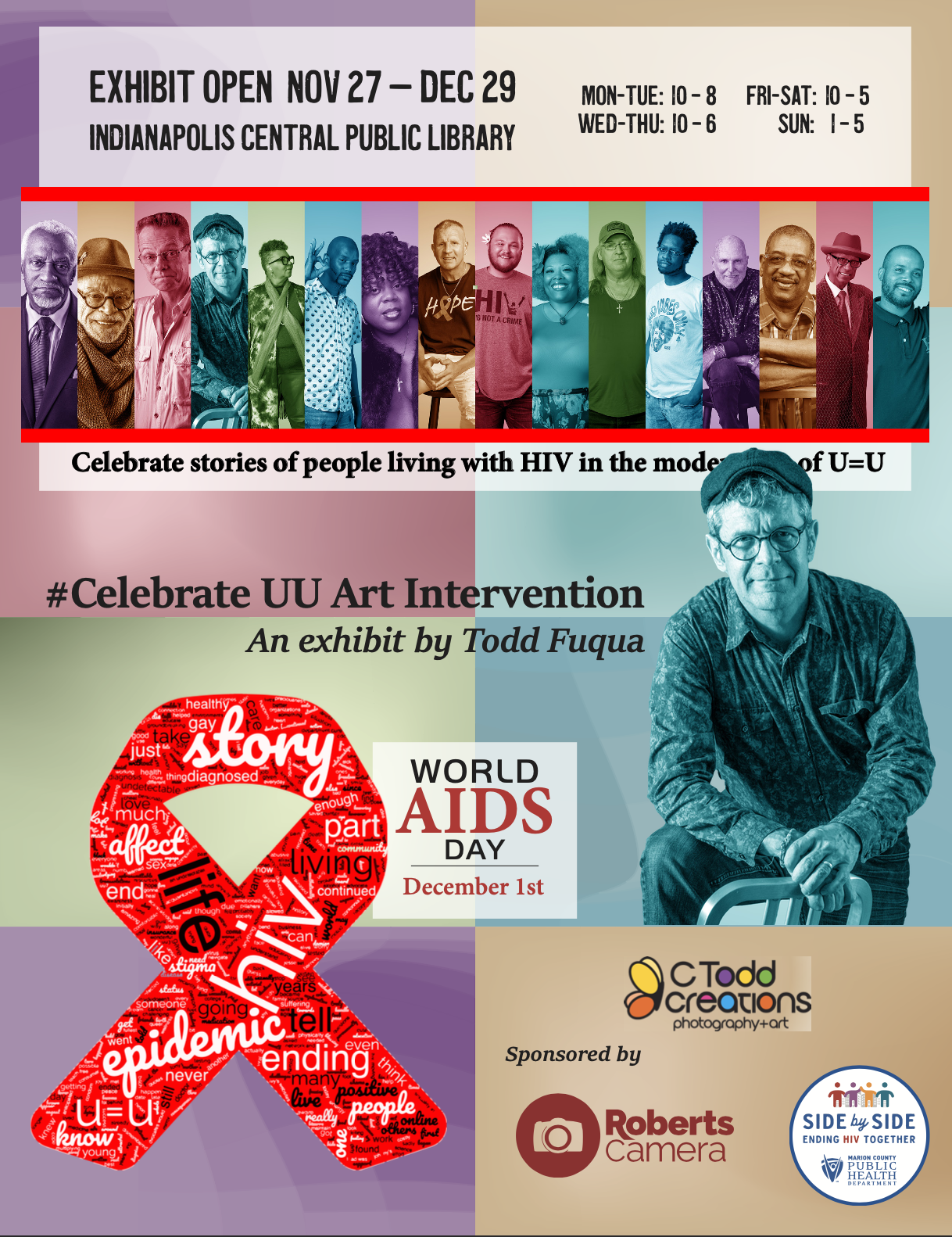
I’ll be releasing 10 new stories on December 1, 2024 at the exhibition opening that is part of a citywide World AIDS Day Community Reception hosted by the Marion County Public Health Department’s Ryan White HIV Services Program.

For the month exhibition, I’m grateful for sponsorship from the MCPHD Ending the HIV Epidemic Task Force, as well as Roberts Camera. I’m also grateful to the Marion County Library for allowing me to show my art in their public spaces. Through this project I learned of this FREE exhibition space – available to resident artists in Marion County!

#JustTheTip Campaign

I’ve had some creative setbacks this year – though I don’t like that language or self-talk, but it is my unfiltered mind response. I try to rephrase things today, to something like I have a great idea to raise awareness around harm reduction, and will be looking for new creative sponsorship or grant funding in 2025. There. The fact that I didn’t get the Indy Arts Council Arts for Awareness grant funding stream still stings a little. But, I have come to re-see this as a “not now, but…” response, not a “no, never” response from the Universe. That’s why I have networks with the @Indy Rainbow Chamber of Commerce, which has now gone statewide. I’ve also learned that @StepUp could be a reliable fiscal sponsor. They already serve that role for other statewide coalitions. This would allow my to ask for contributions that would be tax-deductible, that would fund the full project. I learned a lot from the grant response Q&A session after the notice of non-acceptance. It truly was a learning process – and I can’t wait to bring the #JustTheTip campaign to Indiana, on whatever level that looks. #BigMagic

Closing Out #CelebrateUU

So, when the stylized portrait phase of #CelebrateUU comes to a close on December 29th, I’ll have a huge time void. I’ve been asking the Universe to give me ideas, so I can hit the ground running. A creative life without projects is a dead one – or dying one. I’ve learned that the hard way.

I’ll have the input from my art intervention, where I ask people “How Did This #CelebrateUU Exhibit Make You Feel?” – inspired my a artistic mentor of mine. Thanks Al Duvall. HT to Dr. Carrie Foote, because I borrowed some inspiration from your workshop creative introduction. I’ll find ways to work quotes from that intervention into future social media posts, to keep working at HIV stigma through the stylized portraits and stories.

I know I want to continue to work in the HIV space artistically, but not ignoring HIV criminal reform, harm reduction, mental health, recovery, mental health. I will continue to champion the selfie portion of #CelebreateUU. That hasn’t taken off quite like I’d hope to based on the original concept. But there is time….

I’ve also thought about taking CelebrateUU statewide, or even nationally. If I could work the photo taking into a presentation or workshop, then I could take this on the road to Positive Living or US Conference on HIV/AIDS.

I know I want to get back into the @CToddDudeoir groove, and have already started that with a shoot with Logan Bloir, who I met through Man Crush Mania. I played with some of his images today. More to come…

#BodyPositiveSexPositive

I hope this isn’t passé. But, here’s my pitch to the Universe.

 I want to do a creative B&W nude portrait series to promote stories of sex and body positivity. Whatever that looks like to the person(s). 

Could be individuals, couples, thurples.

I’d want it to be a diverse set of individuals – age, gender identity, gender expression, sexual orientation, etc etc. I’ve learned to trust the Universe to bring me the right people. It may take time, but they show up. As they say, build it and they will come!

I like combining the storytelling with photographs. I think I want to do the series in the people’s home to be more intimate. This is out of my comfort zone – I like the control of studio lighting.  So I may change my mind but location aside, it’s one of the next projects I want to work on. 

The doubter in me has already started in on me. But anxiety is telling me to do this for with people who have lived experience with HIV, HepC or harm reduction. I may narrow that later. Make it a series on sexual health, wellness and prevention.

That’s what is unique about this project in terms of focus and storytelling.  I’ve wanted to do something in the HIV space and I realize now that stigma is very real in both areas – well all three, so I think there is a creative trifecta here.

My goal is to start work in this in January, after I’ve completed my #celebrateuu project. Not sure what that looks like at first – but I’ll dive in and start creating.

The new challenge will be finding funding so I can give participants a reasonable stipend for sharing their story and image. But I’m getting better at writing grants and could find help to locate donors or grants. In the meantime, I can do it time for print, where in exchange for their time, people get a select set of images from the photoshoot. I prefer cash.

Just putting this idea out into the universe.  

Thank you for coming to my #bigmagic ted talk. 

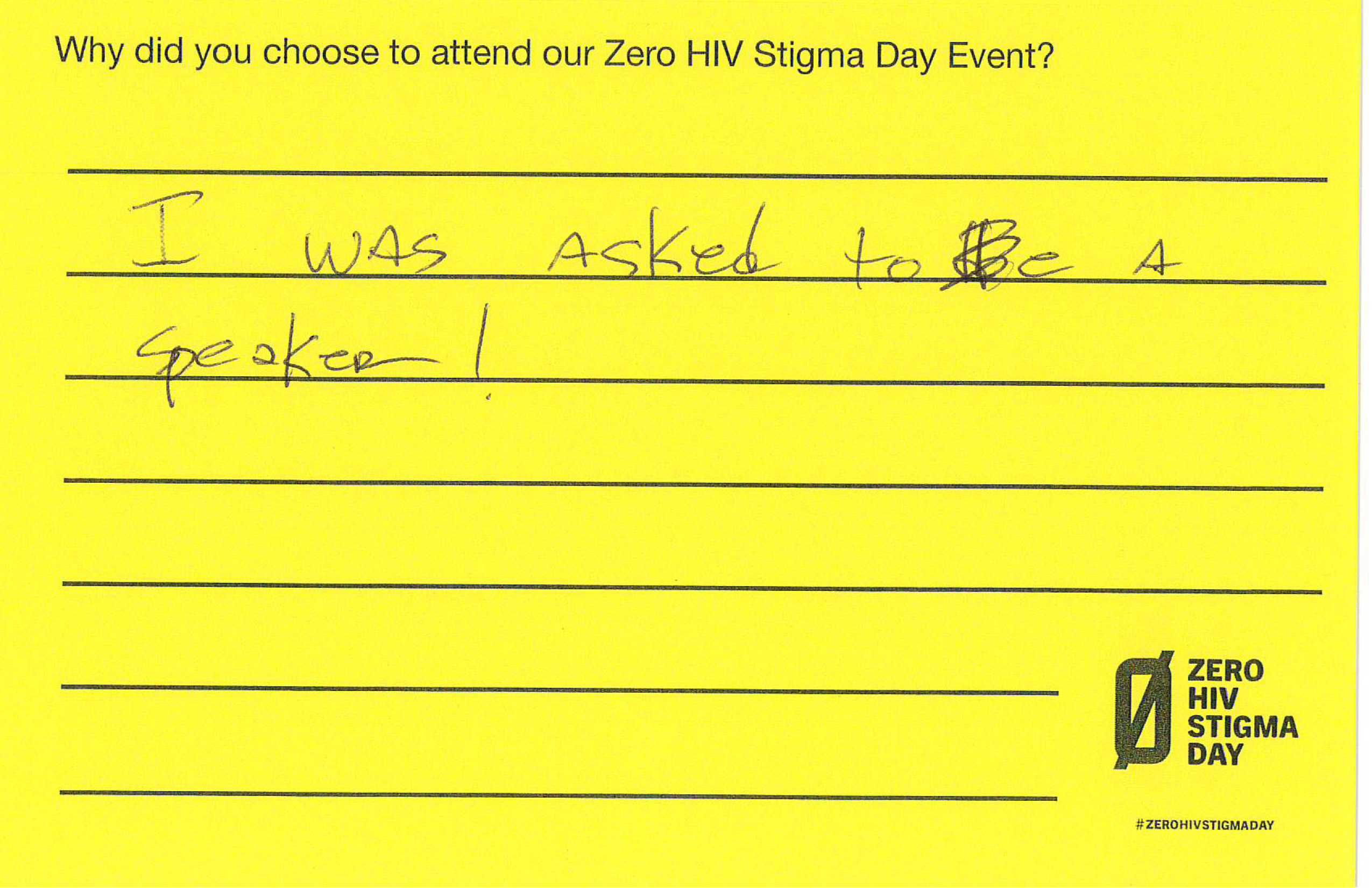
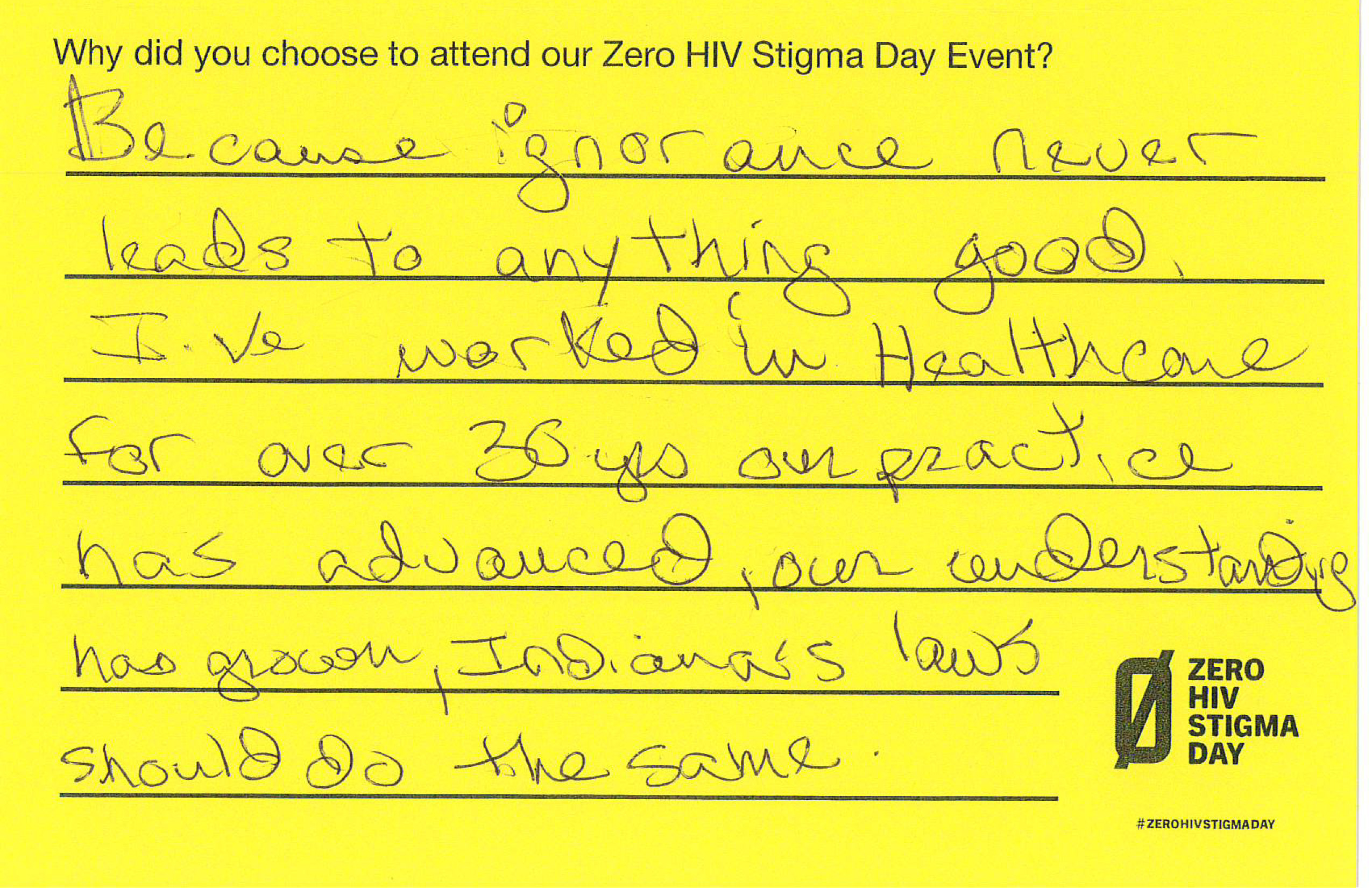
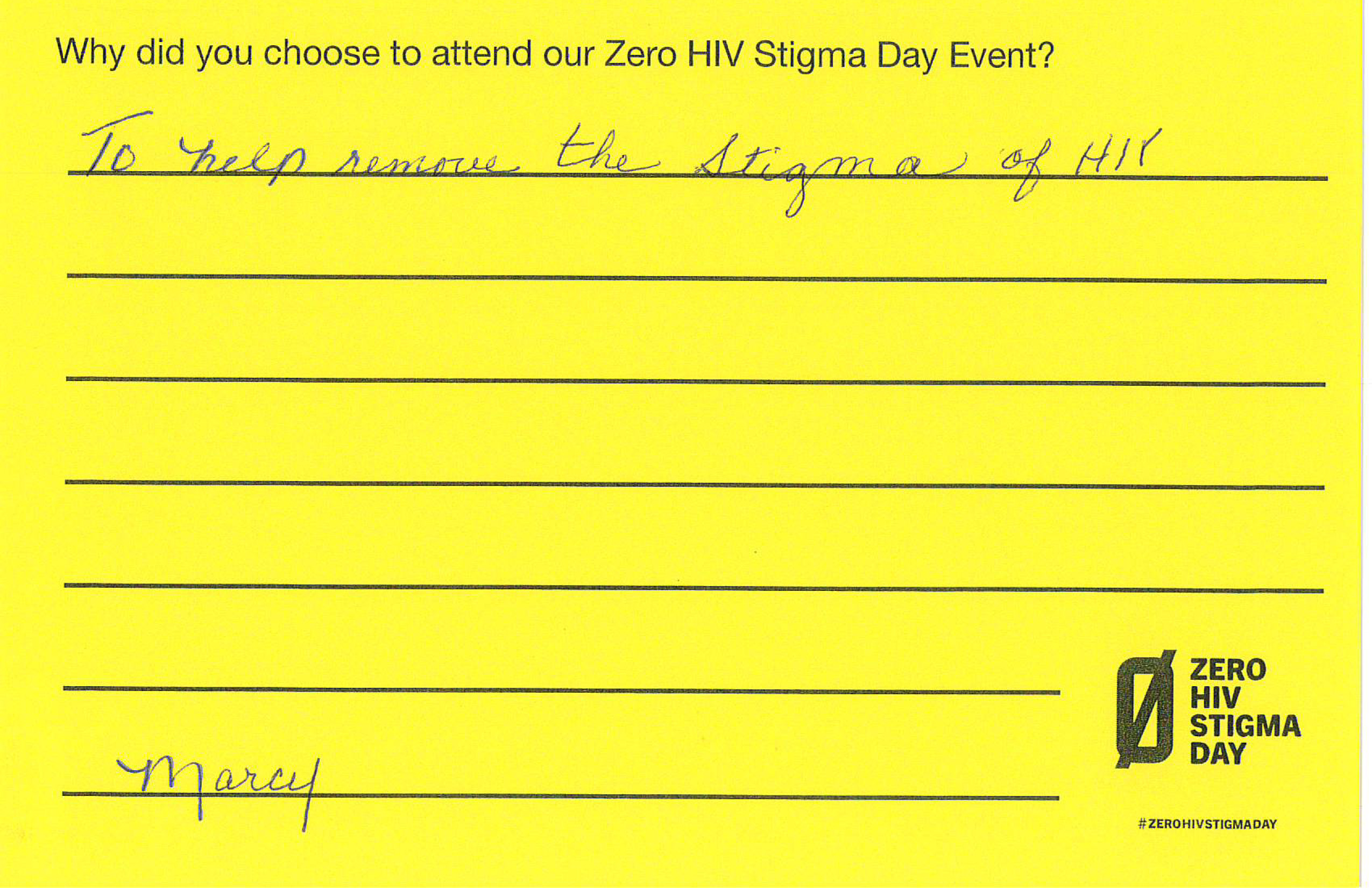
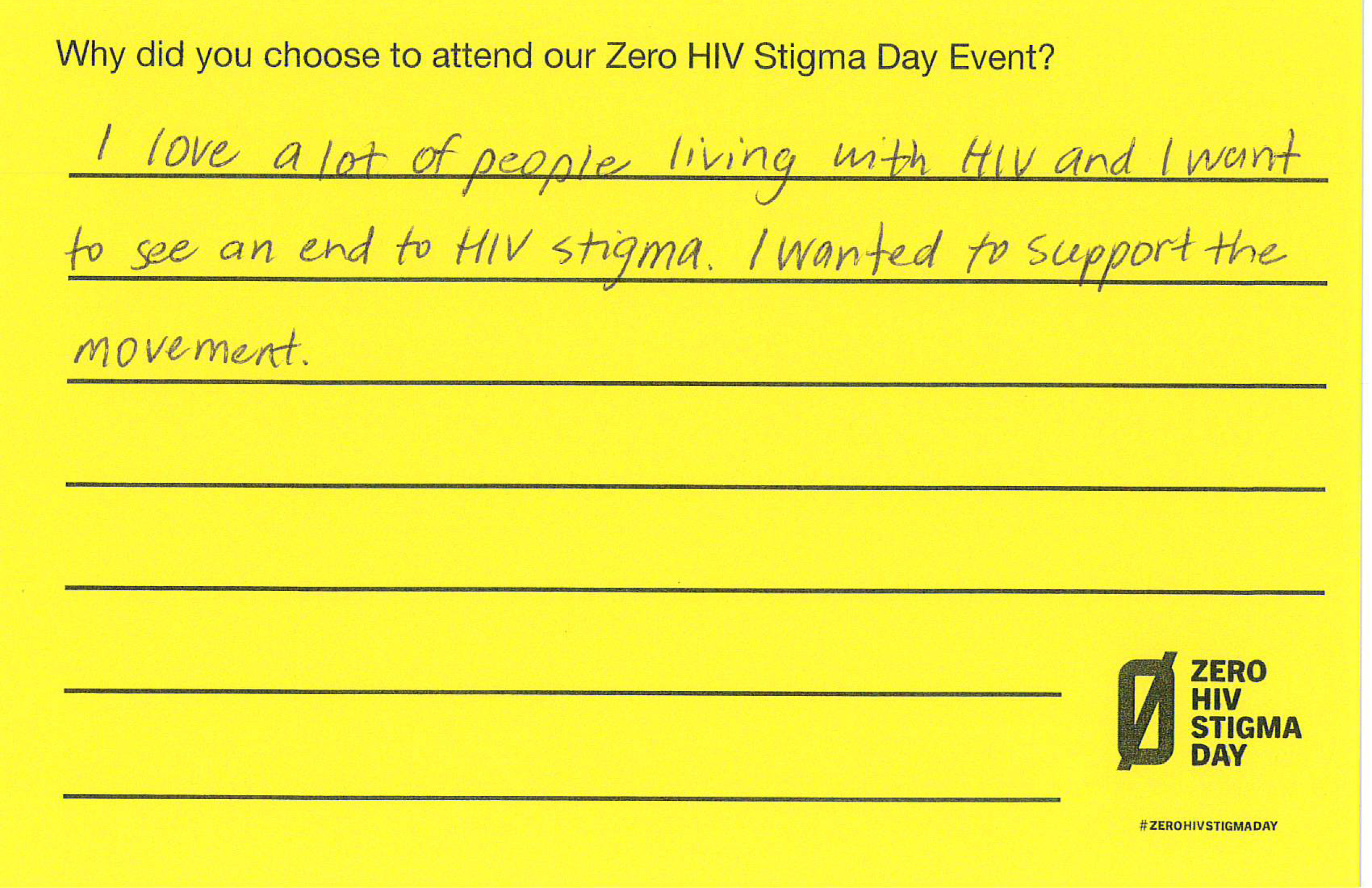
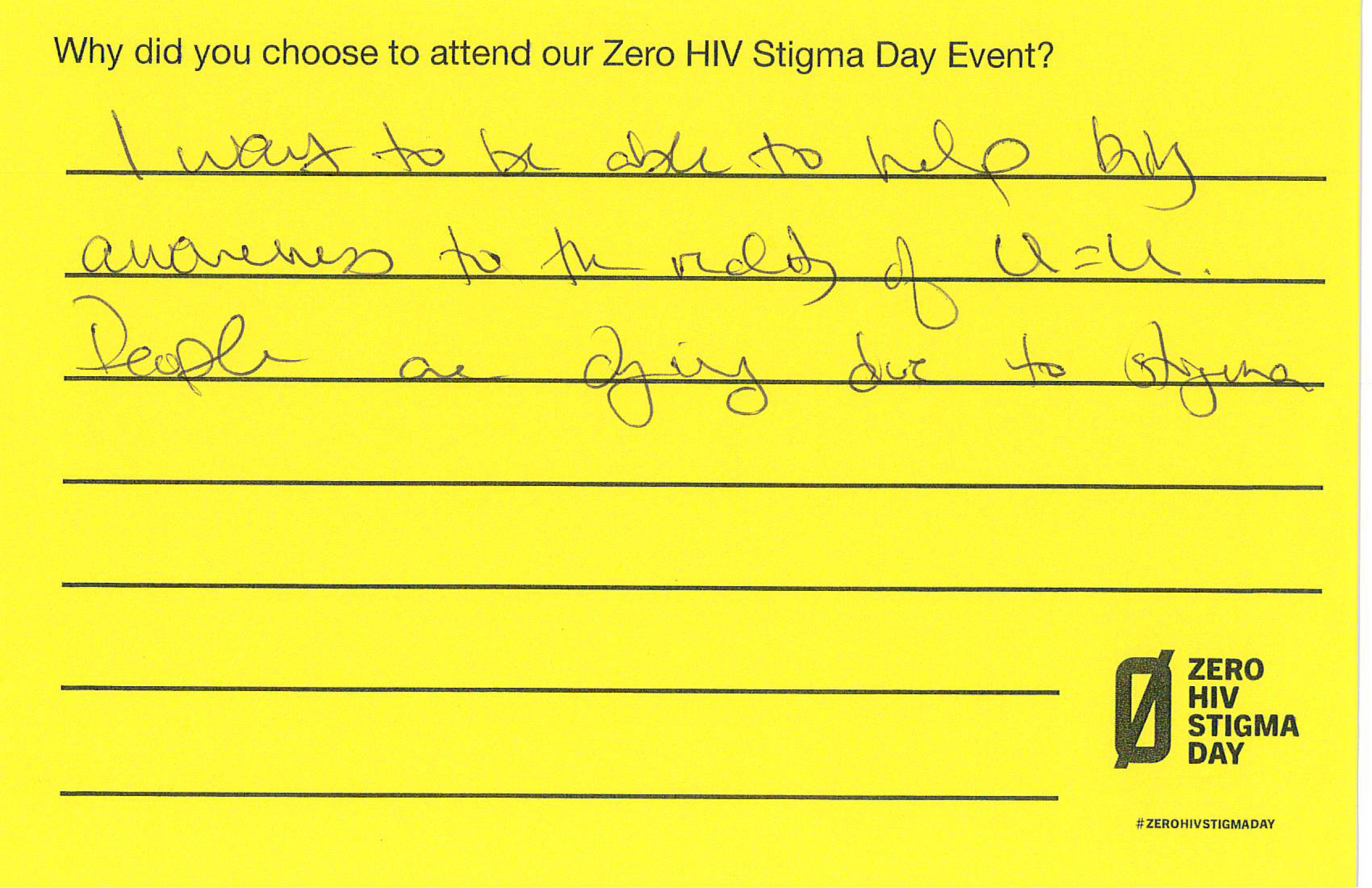
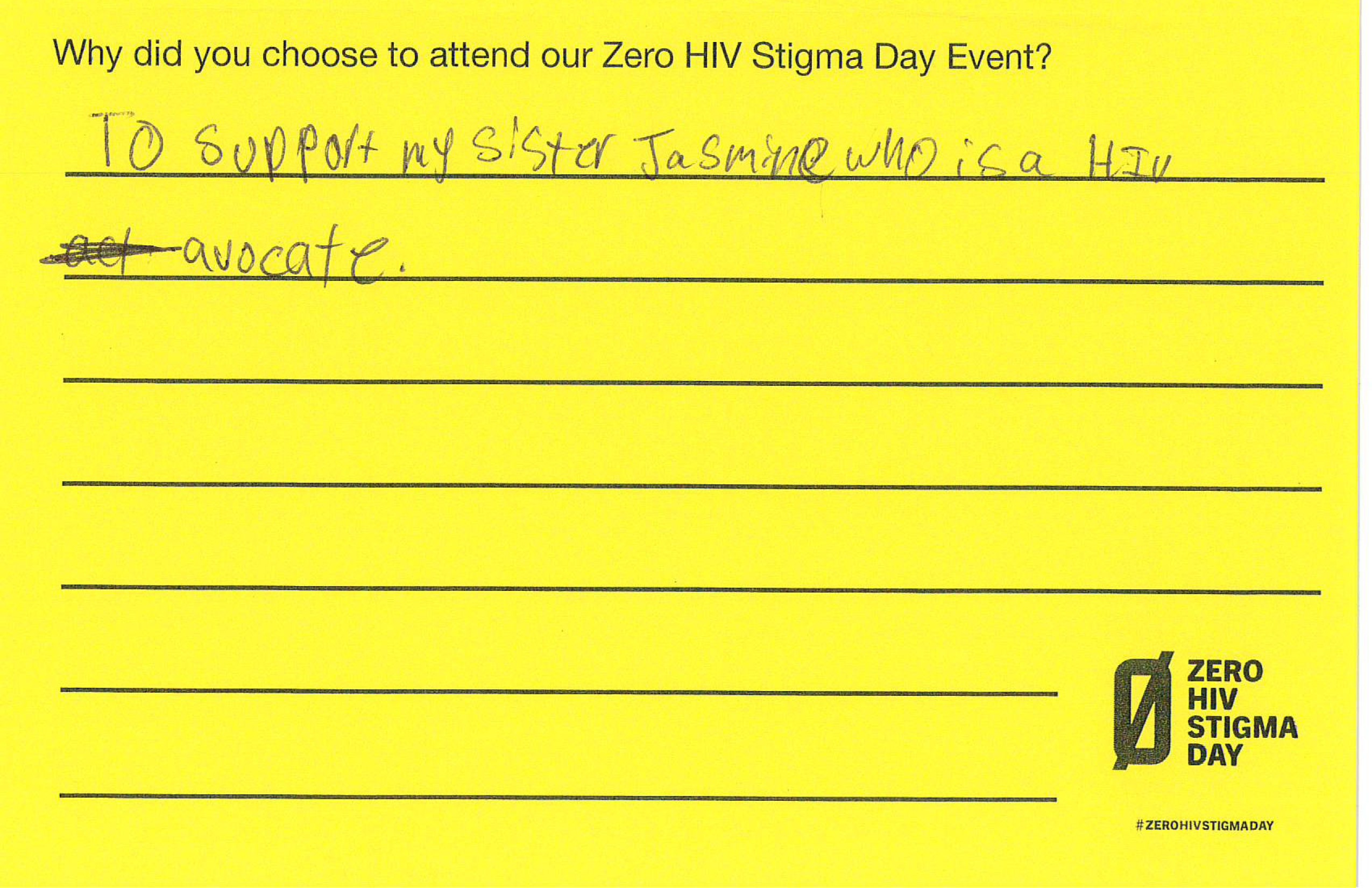
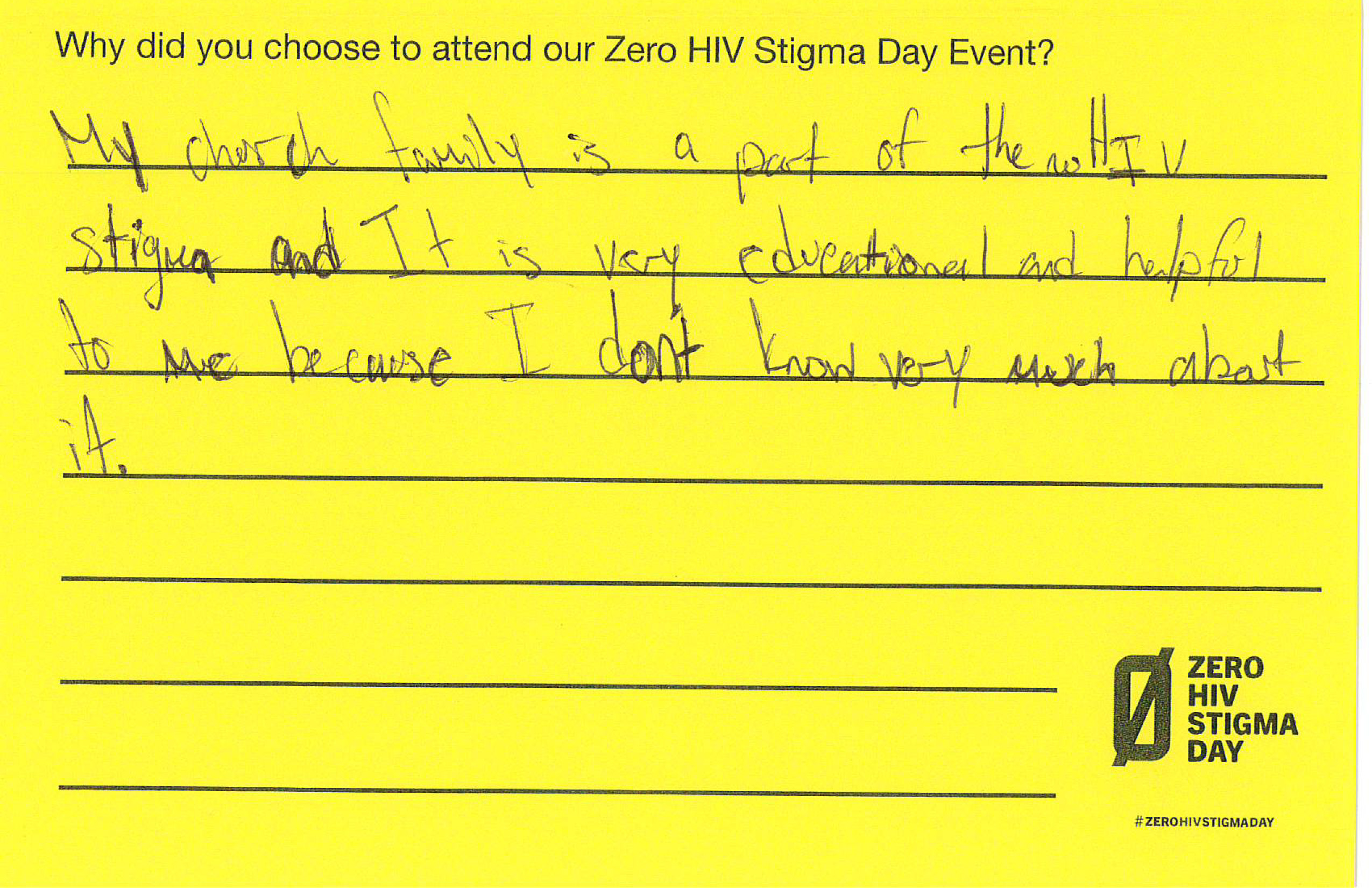
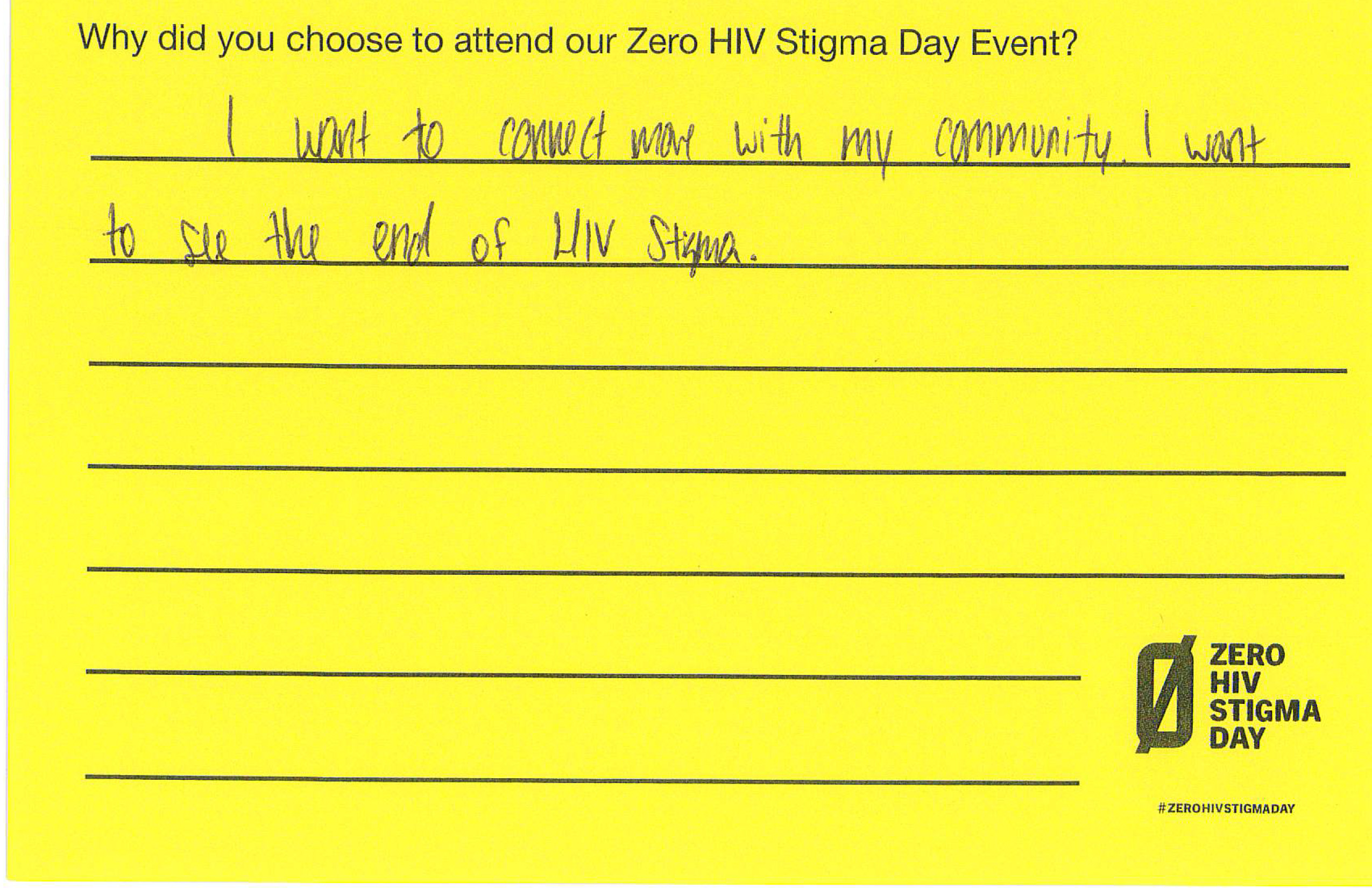
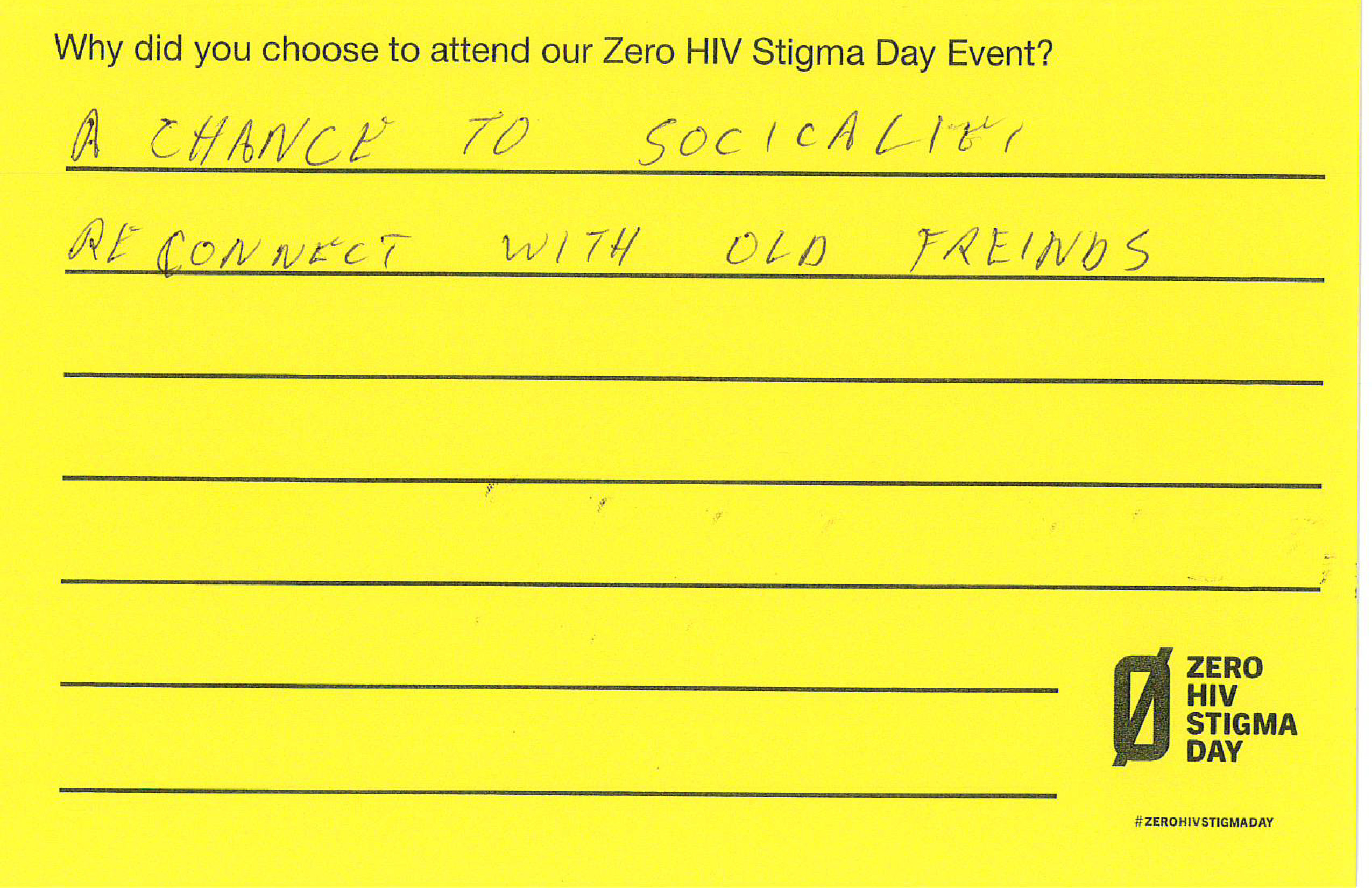
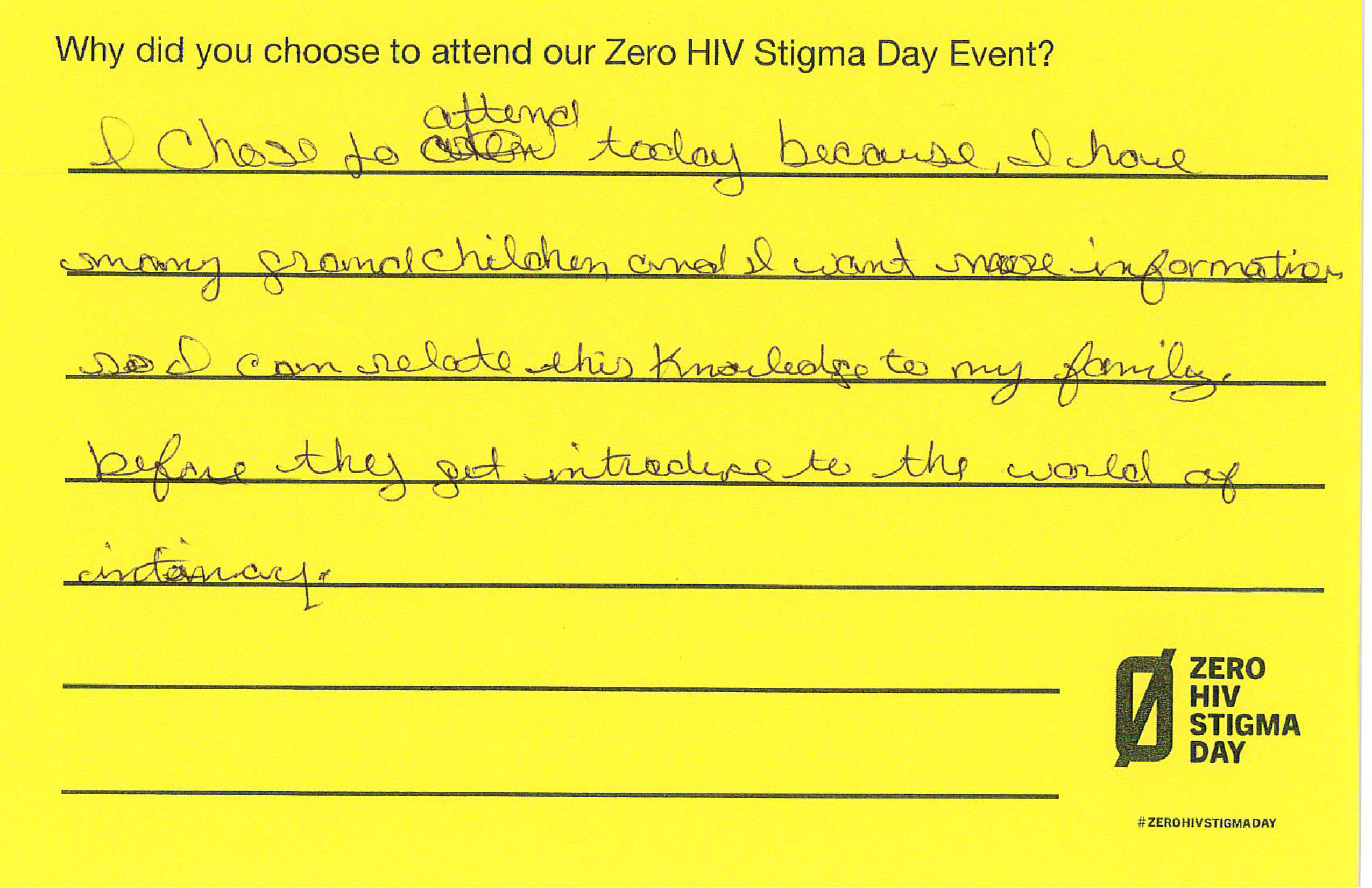
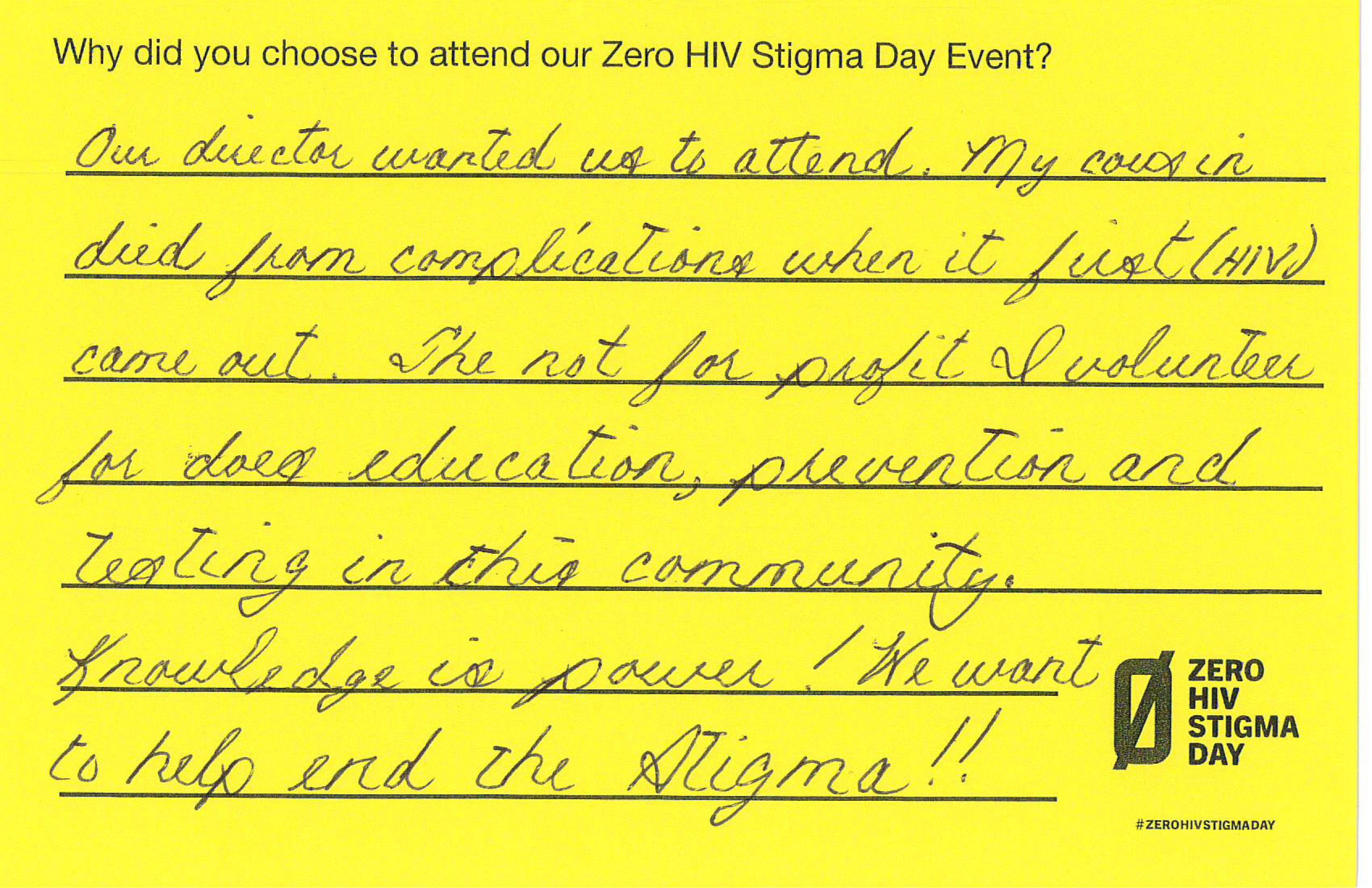
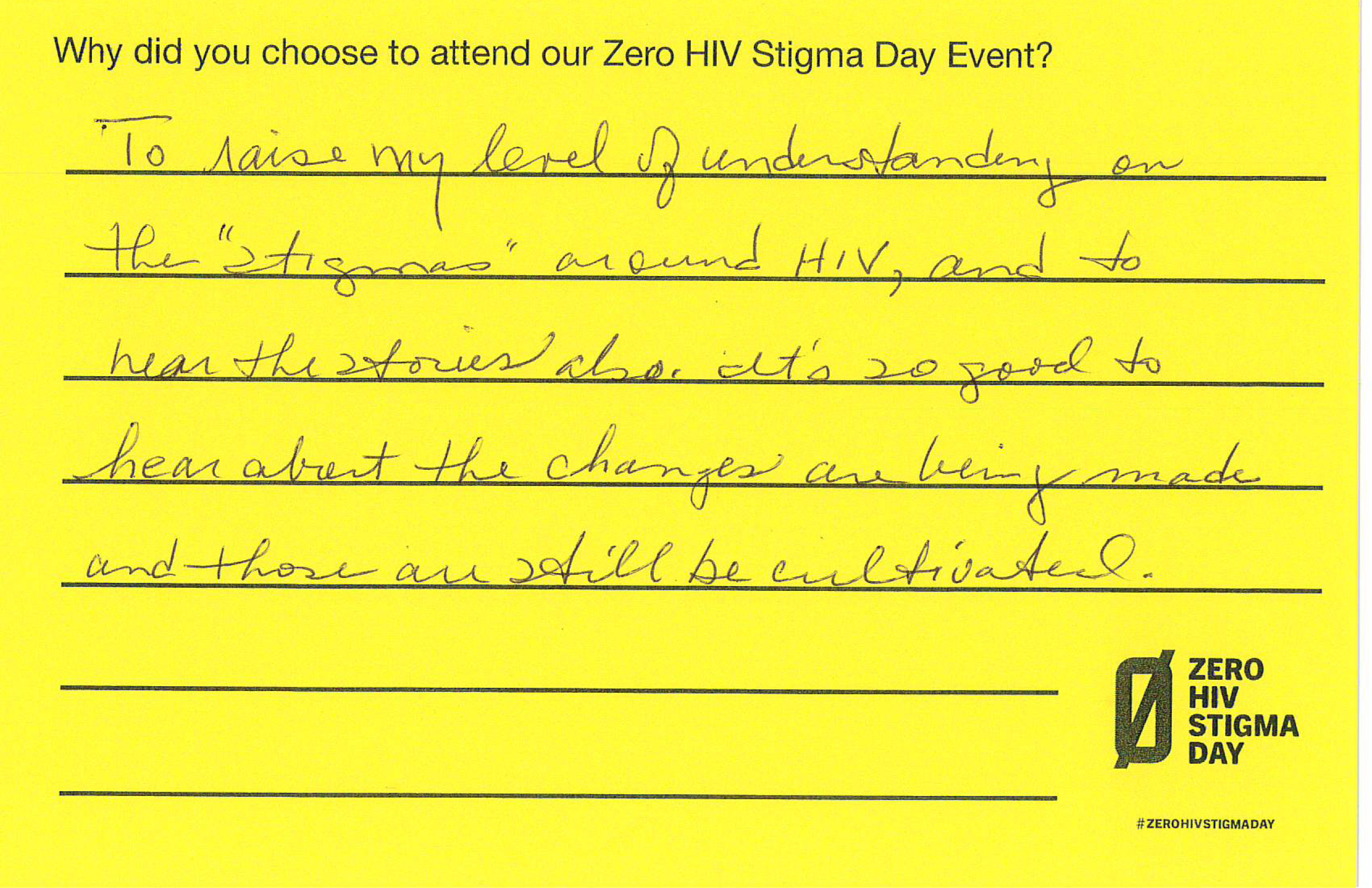
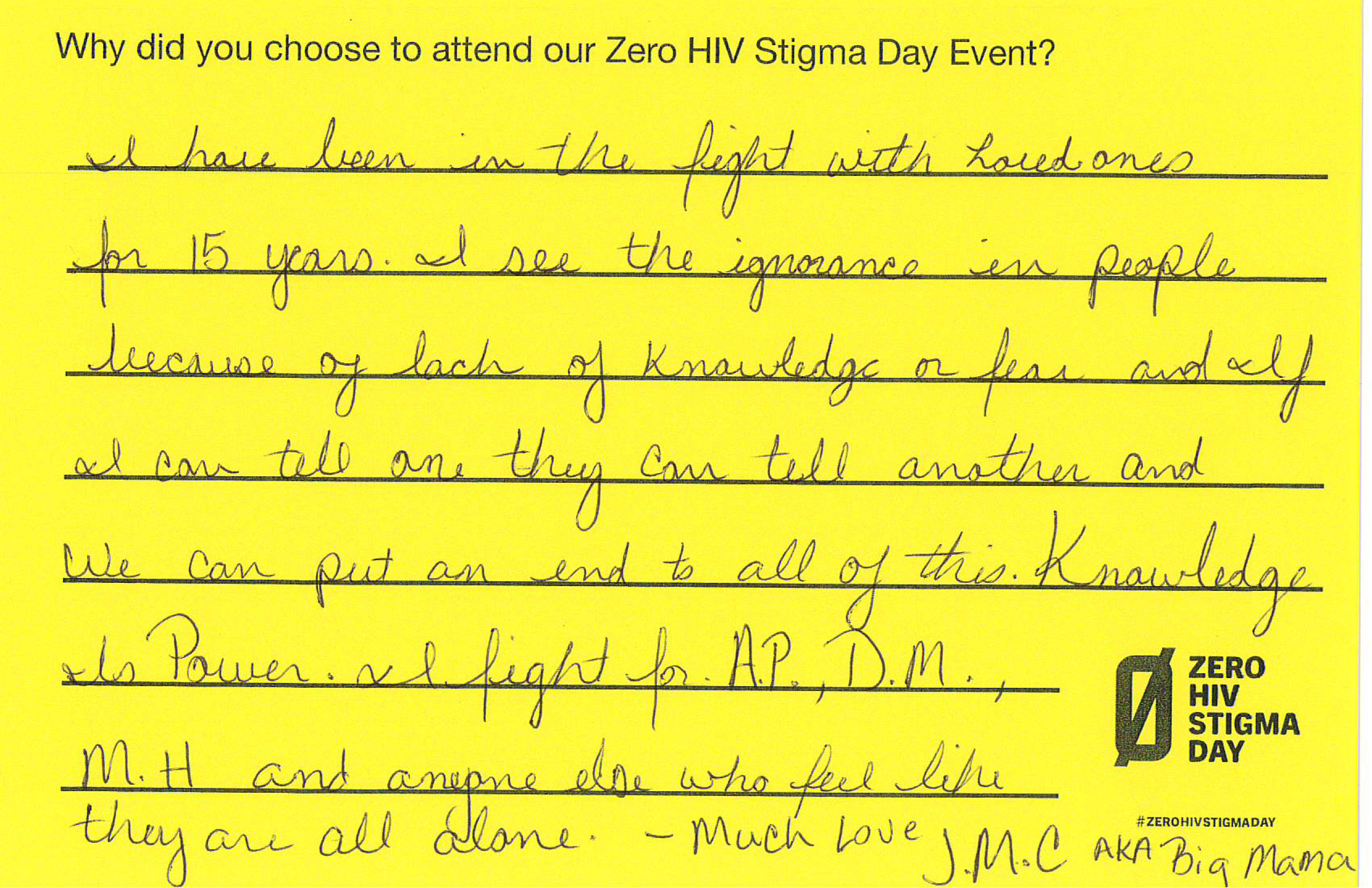
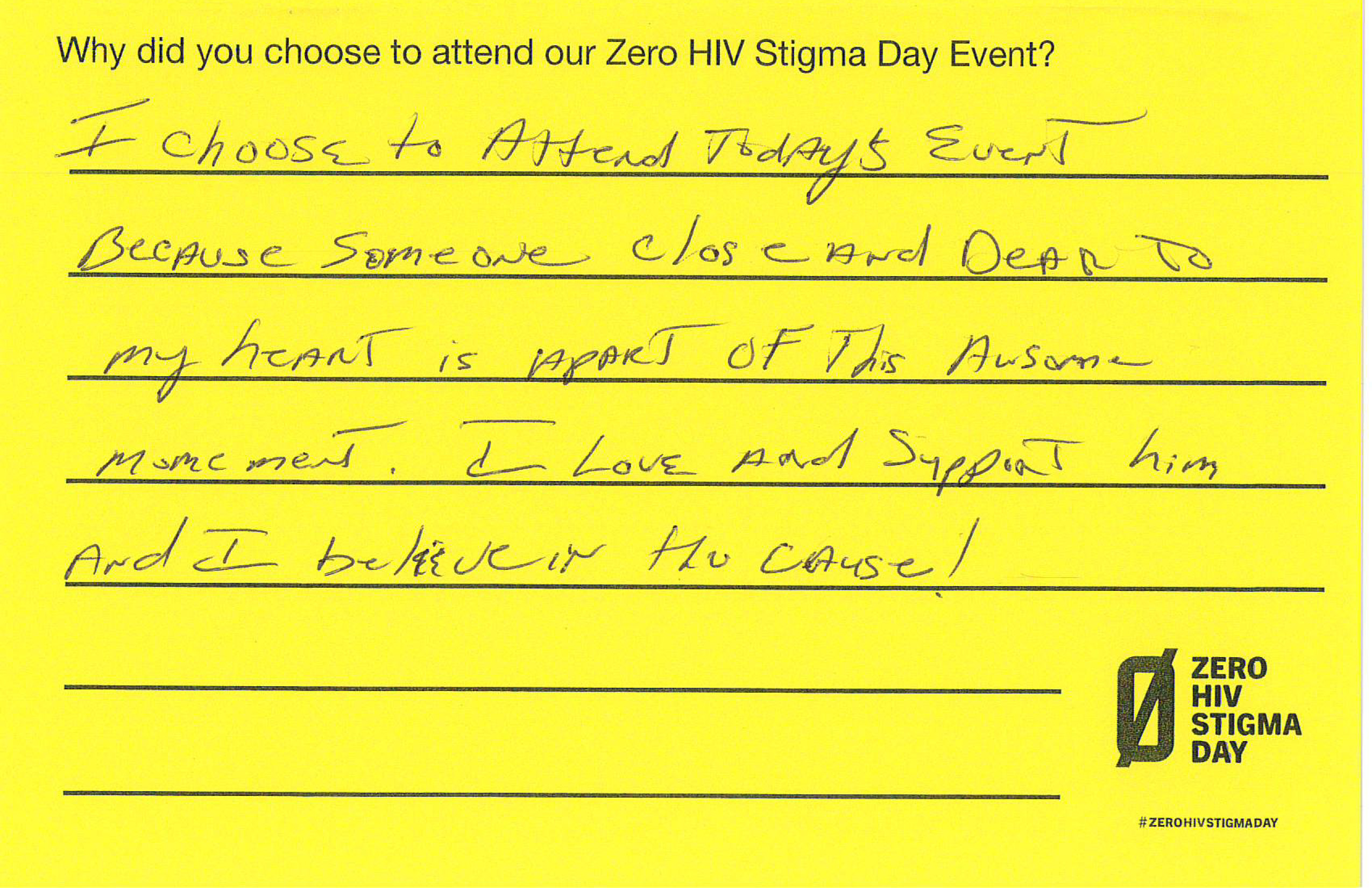
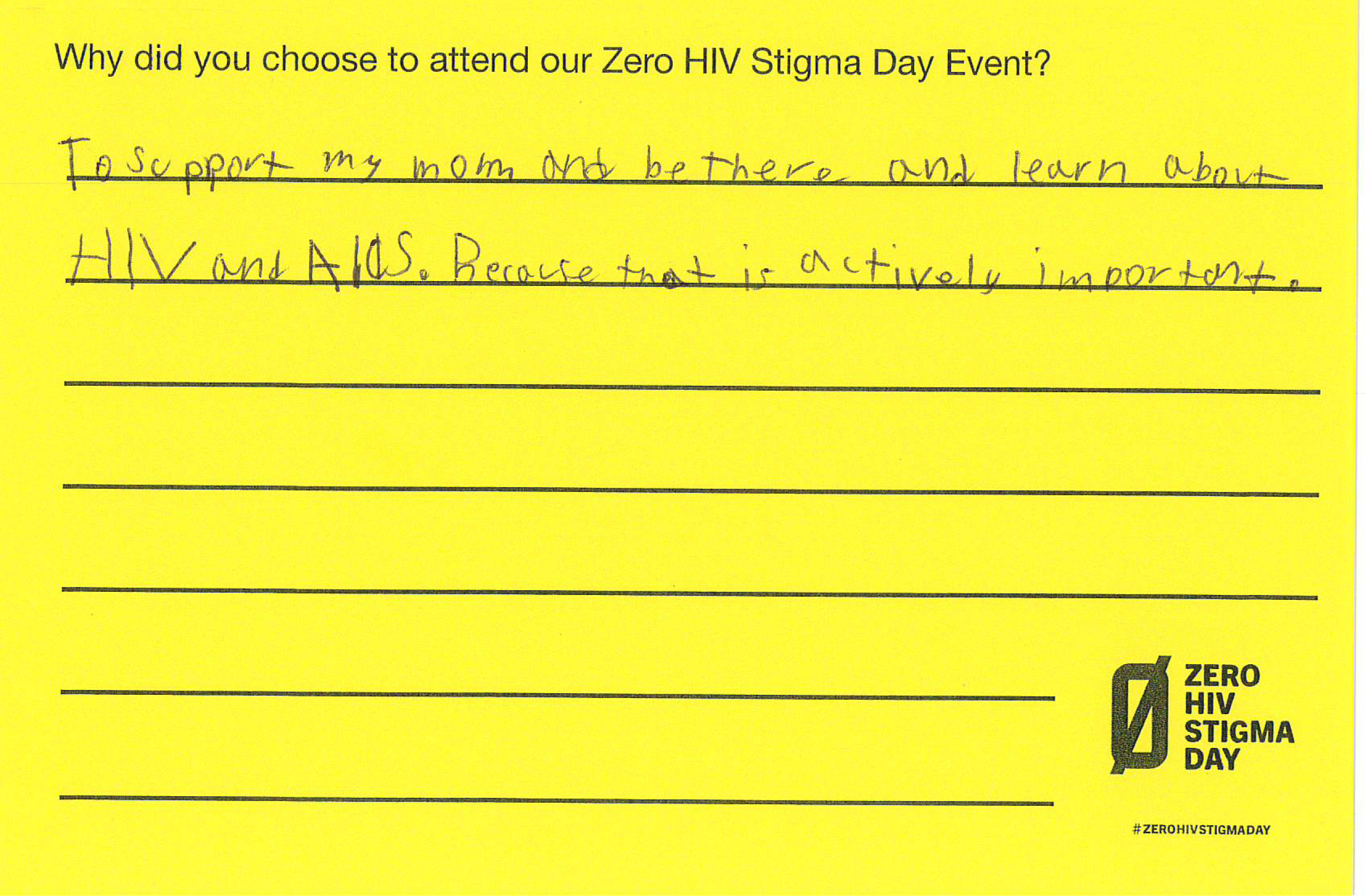
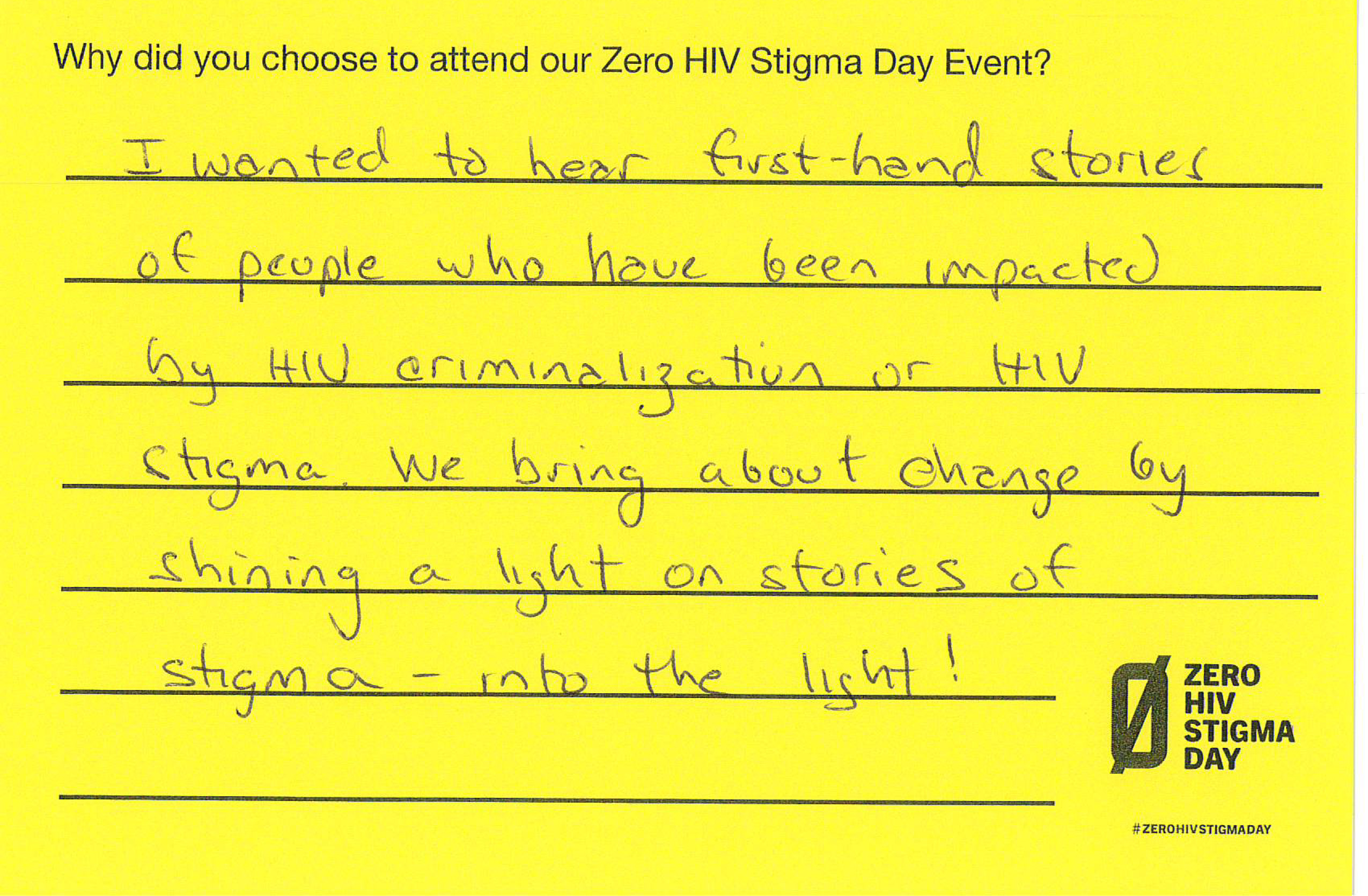
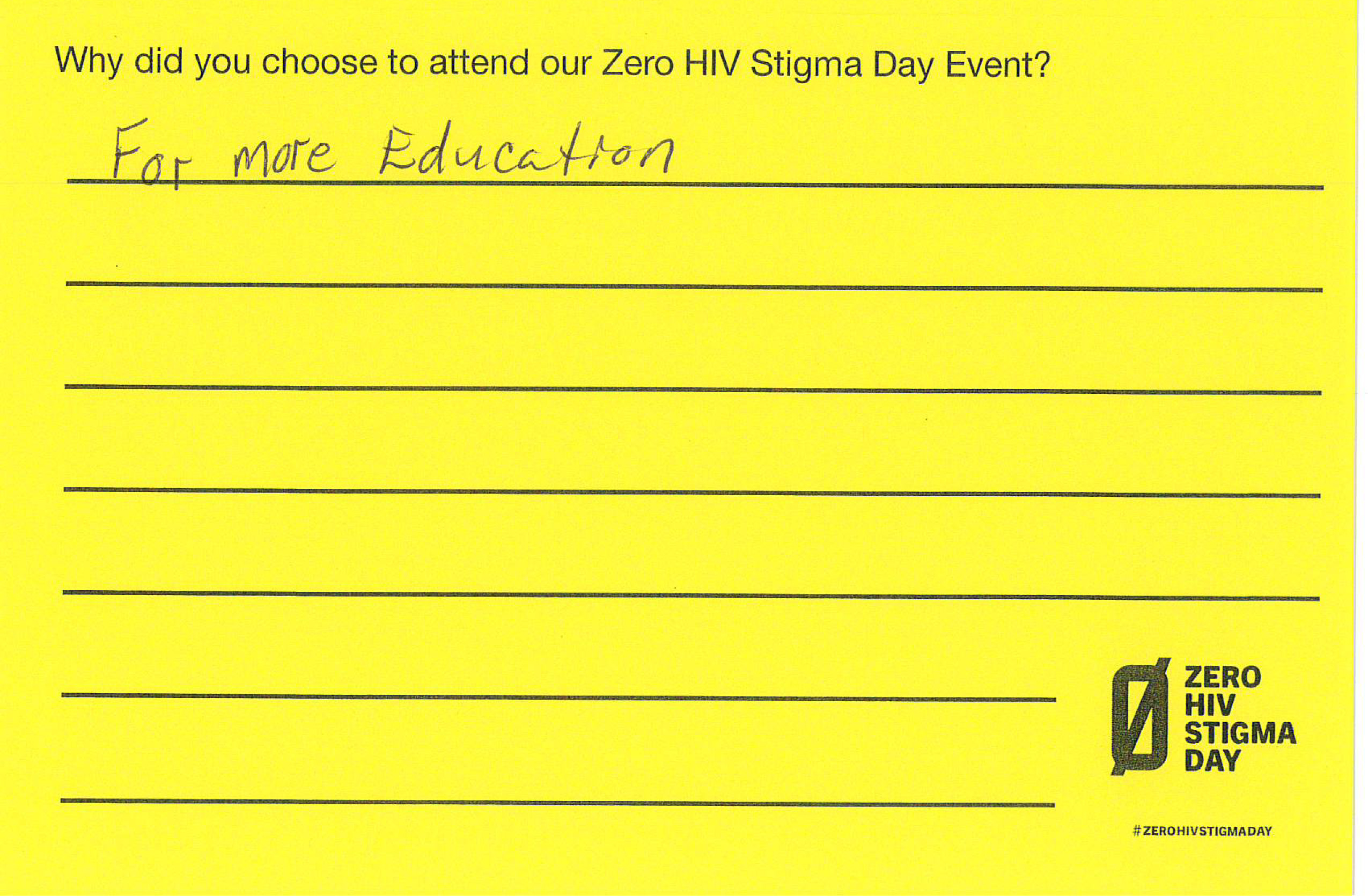
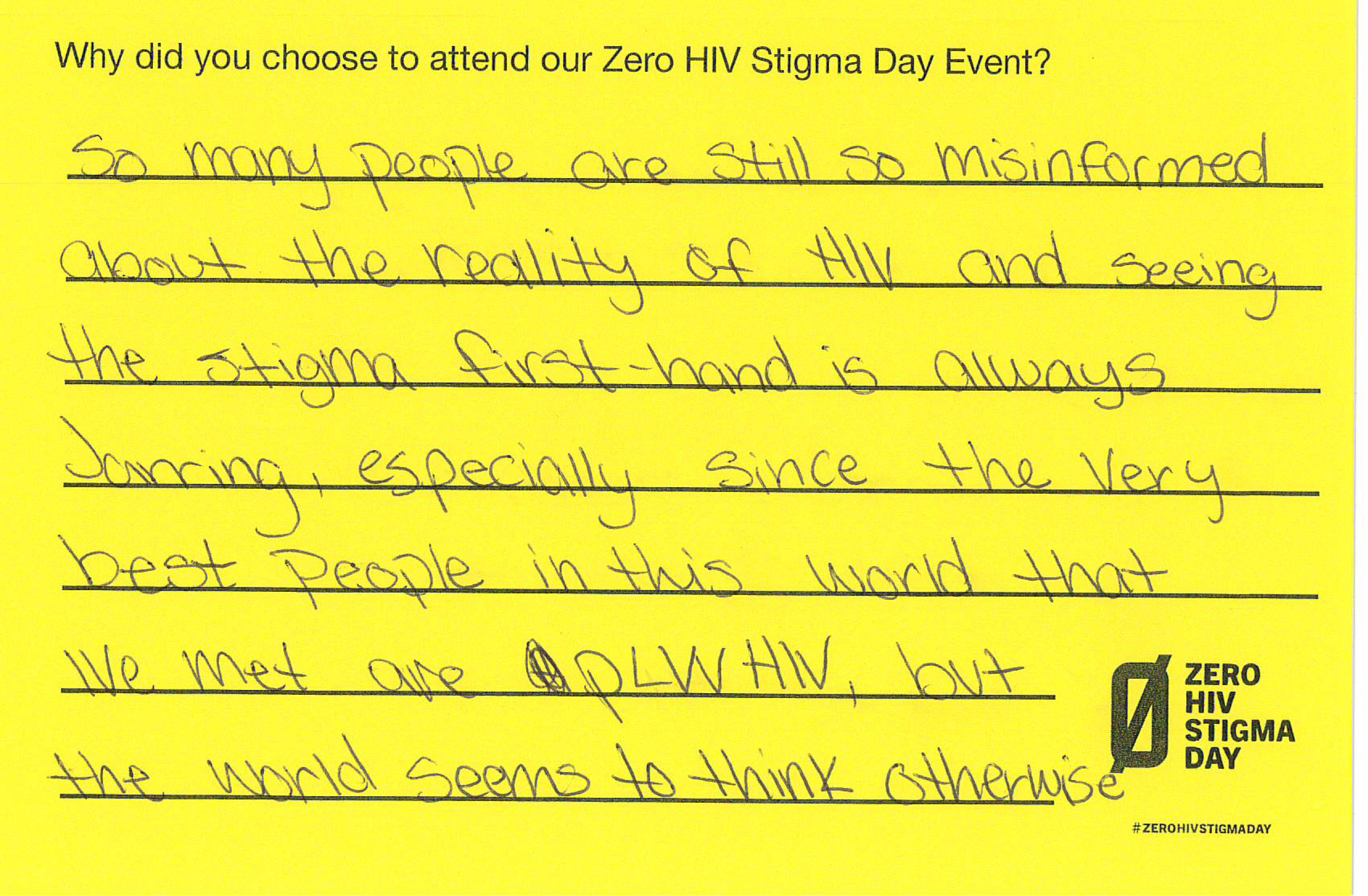
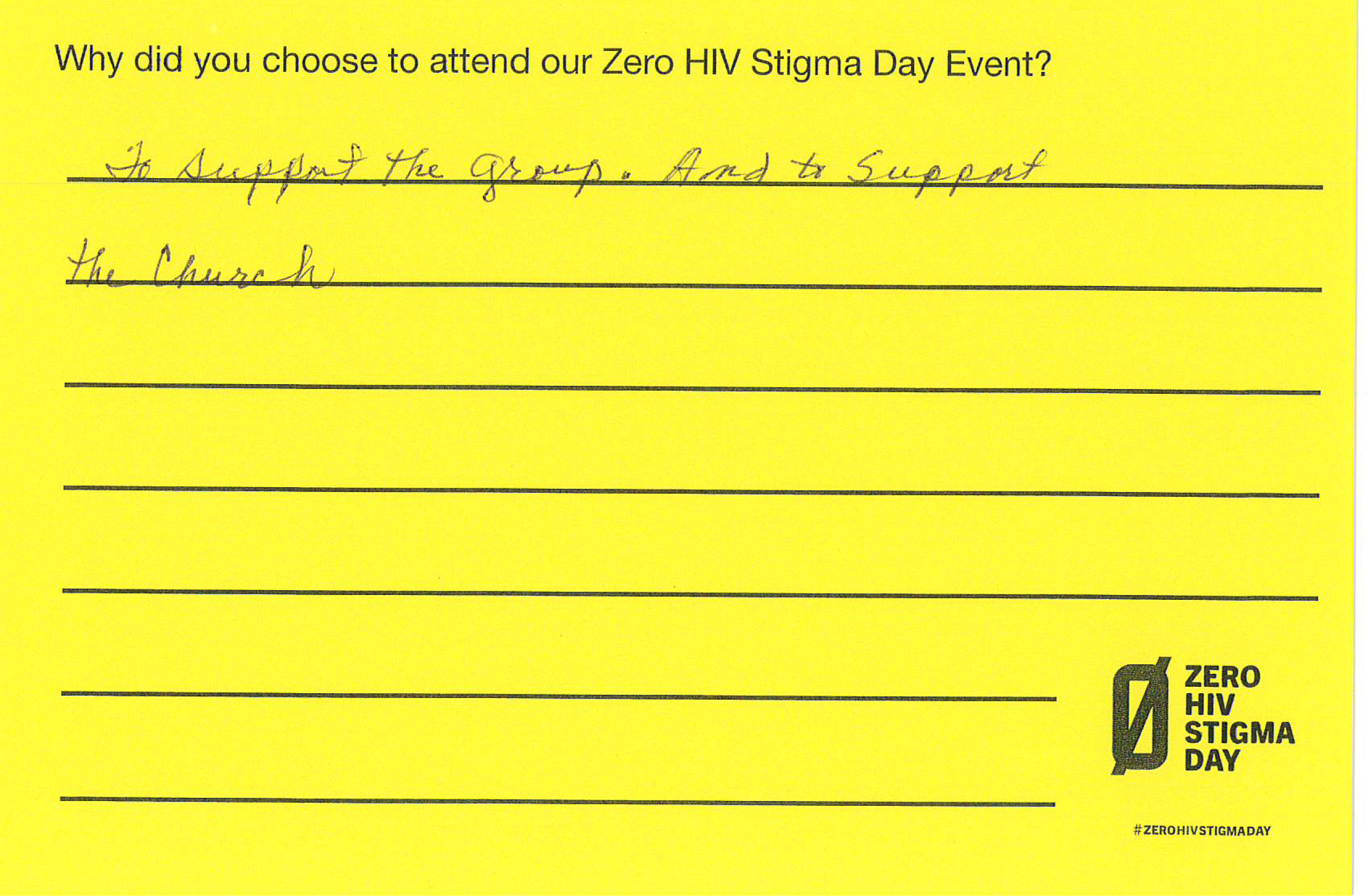
Why did you attend our Zero HIV Stigma Day Event?


I work with HIV Modernization Movement – Indiana, which seeks to modernize Indiana’s HIV criminal and related public health laws. We celebrated Zero HIV Stigma Day this year with a special event on HIV stigma, sharing stories of how stigma shows up for Hoosiers living with HIV.

Zero HIV Stigma Day, observed annually on July 21st, is dedicated to reflection, education, and action against HIV stigma. This day highlights the harmful effects of HIV-related stigma on our society, particularly the barriers it creates to equitable access to life-saving care. It also serves as a rallying call for our communities to renew their commitment to protecting the dignity and well-being of every individual affected by HIV, regardless of their status.

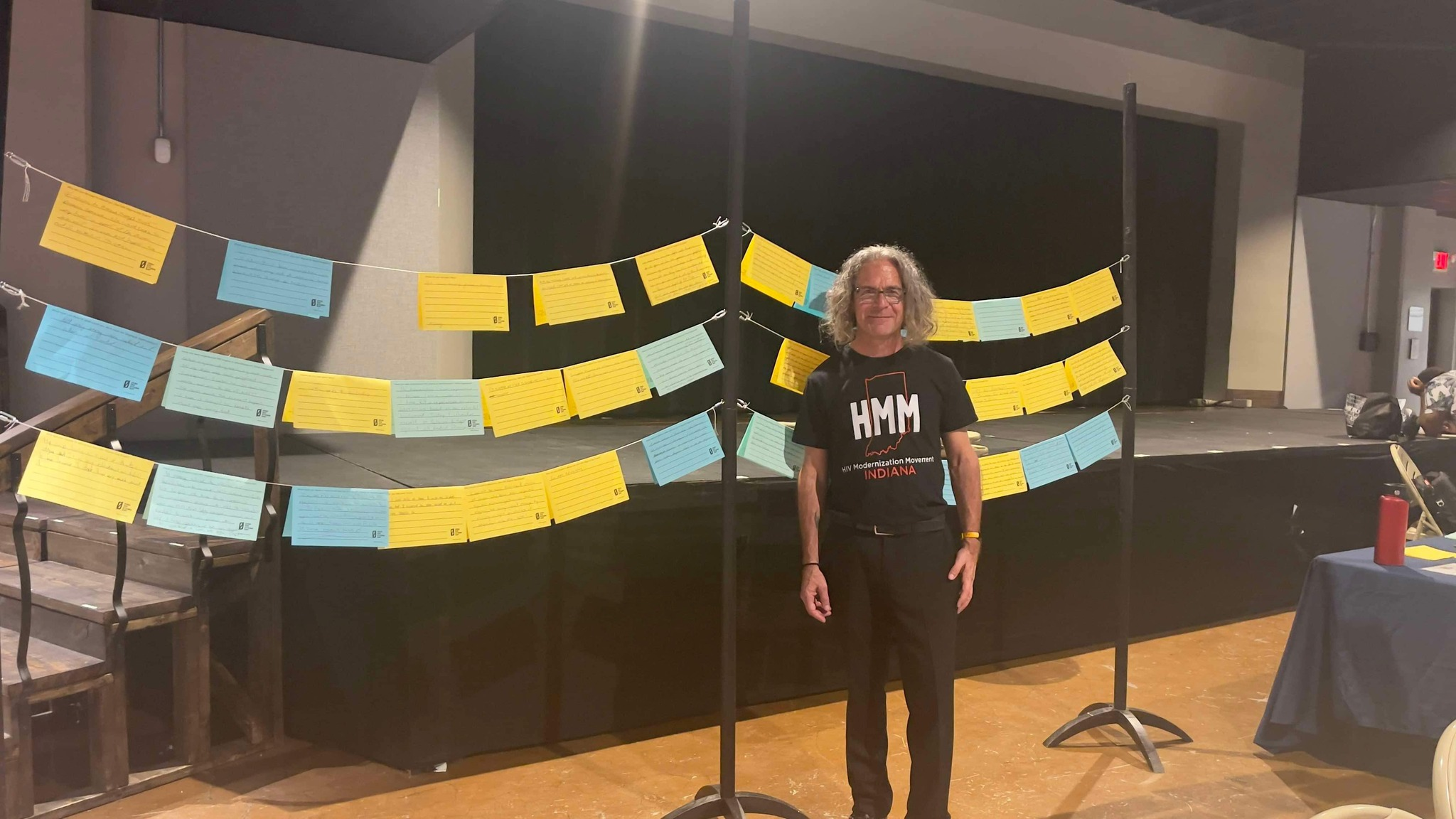
We asked everyone who attended to share why they attended this year’s event. We used this as part of an interactive art exhibit on HIV stigma. There were other questions as part of this HIV Stigma Clothesline exhibit – I’ll post those later.

Professor Peacock with their interactive HIV Stigma Clothesline Project.

Here are those responses! Click on an image below, then scroll through the gallery.

Do people still die of HIV or AIDS?


That’s a great question.

The answer is yes.

So while HIV is no longer a death sentence like in the early days of the pandemic, the reality is that not everyone is able to get into and stay in treatment. Left unchecked, HIV will still progress to stage 3, also known as AIDS.

What do we know about stage 3 HIV? (Source: CDC HIV Basics)

  • It’s the most severe stage of HIV
  • People with stage 3 HIV can have a high viral load and may easily transmit HIV to others
  • People with stage 3 HIV have badly damaged immune systems. They can get an increasing number of opportunistic infections or other serious illnesses
  • Left untreated, people with stage 3 HIV typically survive about three years.
102 deaths

Sharing this information about stage 3 HIV isn’t to portray people as somehow bad or negligent or something against which the general public needs to be protected. If anything, the system is failing them because medication isn’t getting to them. And until it does, individuals are more likely to die from stage 3 HIV and related complications. And that is angering because for once, we finally have the medicine to end the HIV epidemic.

In Marion County, Indiana alone, approximately 102 people have died where HIV is the primary cause of death since 2016. (In the same timeframe, a total of ~321 people who were living with HIV died, regardless of cause of death – but for this conversation, I believe that how they actually died matters.) I picked this timeframe because the concept of U=U was launched in 2016 given the amazing progress made in HIV treatments. Source: Marion County Public Health Department

In my mind, these 102 deaths were preventable. We have the science to not only prevent the spread of HIV, but the science to lower the levels in the body where HIV can’t be found. That’s called U=U, or undetectable is untransmittable. U=U helps the person with HIV to live a healthier life without damaging their immune system. The sooner someone gets into treatment, the better chance they have a minimizing long-term effects on their immune system.

U=U research also shows that a person follows their treatment and whose viral load is suppressed, or undetectable, can NOT transmit HIV sexually to other people. That’s HUGE. We can get back to having hot sex without the fear of giving HIV to someone else. Combined with PrEP, we literally have the science across the board to squash this bug.

Testing, prevention and treatment matter in this fight – but especially treatment. But shame, stigma, social determinants of health, lack of awareness and other factors keep people from getting treatment.

What’s gotten better?

Since 2016, the medications for prevention and treatment continue to get better with less side effects. Since 2021, an extended release monthly injectable option is available to people living with HIV. Also since 2021, injectable PrEP is available to prevent the transmission of HIV, and is given every two months to people not living with HIV. These options can be particularly helpful for people who find it difficult to take a pill every day. They are seen as key to ending the HIV epidemic.

With the Affordable Care Act in 2010, the fear of pre-existing conditions that could jeopardize one’s insurability are a thing of the past. That’s huge for people who get their health insurance from the marketplace or from their employer.

People may not realize there is government assistance for health insurance for people living with HIV. The Healthy Indiana Plan (HIP) is the name of the State of Indiana’s health insurance program. It is one of the Medicaid programs available to Indiana residents. It can assist people who make less than 300% of the federal poverty level.

There is also assistance for wraparound services through the Ryan White Federal HIV/AIDS Program. Check out the Indiana State Department of Health website for an Indiana HIV Care Site Directory.

In Marion county, we are a designated “hot spot” by the CDC. In 2019, we were one of the top cities & counties that contributed to half of the new HIV cases that year. Things have not been getting better – if anything, we get new cases at a higher rate than the national average. And, in general the trend has been upward (more new cases) since the county began reporting data in 2010. With this designation as a hot spot comes additional federal assistance for 10 years, leading up to 2030. This is called the Ending the HIV Epidemic program, which is managed by a steering committee and task force for Marion County.

HIV Care Coordination

For more information, contact your care coordinator. If you don’t know what that means, contact me and I’ll do my best to connect you with resources.

While all of this can be complicated, there is free assistance through care coordinators at AIDS Service Organizations (ASOs) or large healthcare systems like IU Health or Eskenazi Hospital.

For more information in Marion & surrounding counties go to the SIDE by SIDE website or social media. You can also check the Marion County Ryan White Services page for current providers in Marion & surrounding counties. For information statewide, check out the Indiana State Department of Health website for an Indiana HIV Care Site Directory.

HIV Peer Support

Many AIDS Service Organizations will also offer support groups. These are usually led by a staff person, who is often a therapist or counselor. But not always. Things will vary from organization to organization. Ask your care coordinator about options. Check out other organizations too. There’s nothing to keep you going to a support group at ASO #1, while getting your card coordination from ASO #2. Go where you find help & support.

Educate Yourself

When I was first diagnosed, my doctor recommended TheBody.com as reputable online resource. It’s a trusted resource, and easier to read than a lot of the official websites from the CDC or state and local health departments.

Thanks for listening.
Keep tellin’ the story

Professor Peacock

What questions do you have?

I’d love to hear from you. What did you learn from this post? What do you see differently? What could I have said in a different way that would have been more helpful? What information would you like to share from your experience?

102 deaths